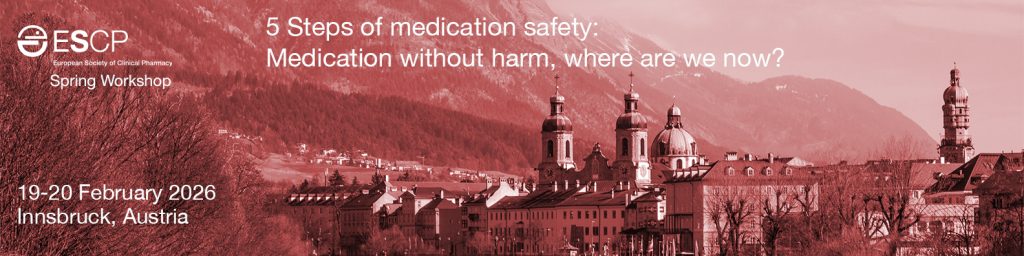
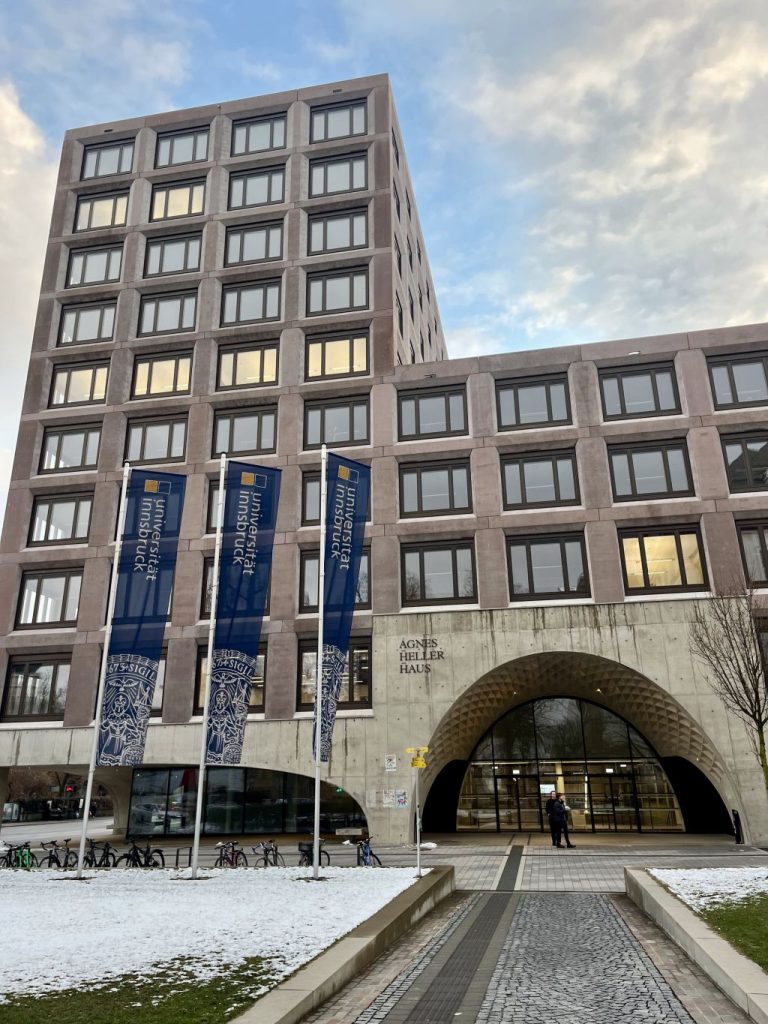
The ESCP Spring Workshop 2026 took place in Innsbruck, Austria, from 19 to 20 February 2026. The workshop was held at the Ágnes-Heller-Haus of the University of Innsbruck under the theme
“5 Steps of Medication Safety: Medication Without Harm, Where We Are Now?” The workshop reflected ESCP’s commitment to advancing the World Health Organization’s global initiative on medication safety. Since the landmark 2019 WHO technical report, clinical pharmacists across Europe have been at the forefront of implementing strategies to reduce medication-related harm. As we reach the midpoint towards the WHO’s target of reducing preventable medication-related harm by 50% by 2030, the workshop provided an opportunity to assess progress, share experiences and address ongoing challenges in medication safety.
The program focused on medication safety and the ongoing efforts to reduce preventable medication-related harm, and addressed medication safety from several complementary perspectives, including appropriate prescribing, medication review, electronic medication management systems, patient engagement and medication reconciliation during transitions of care.
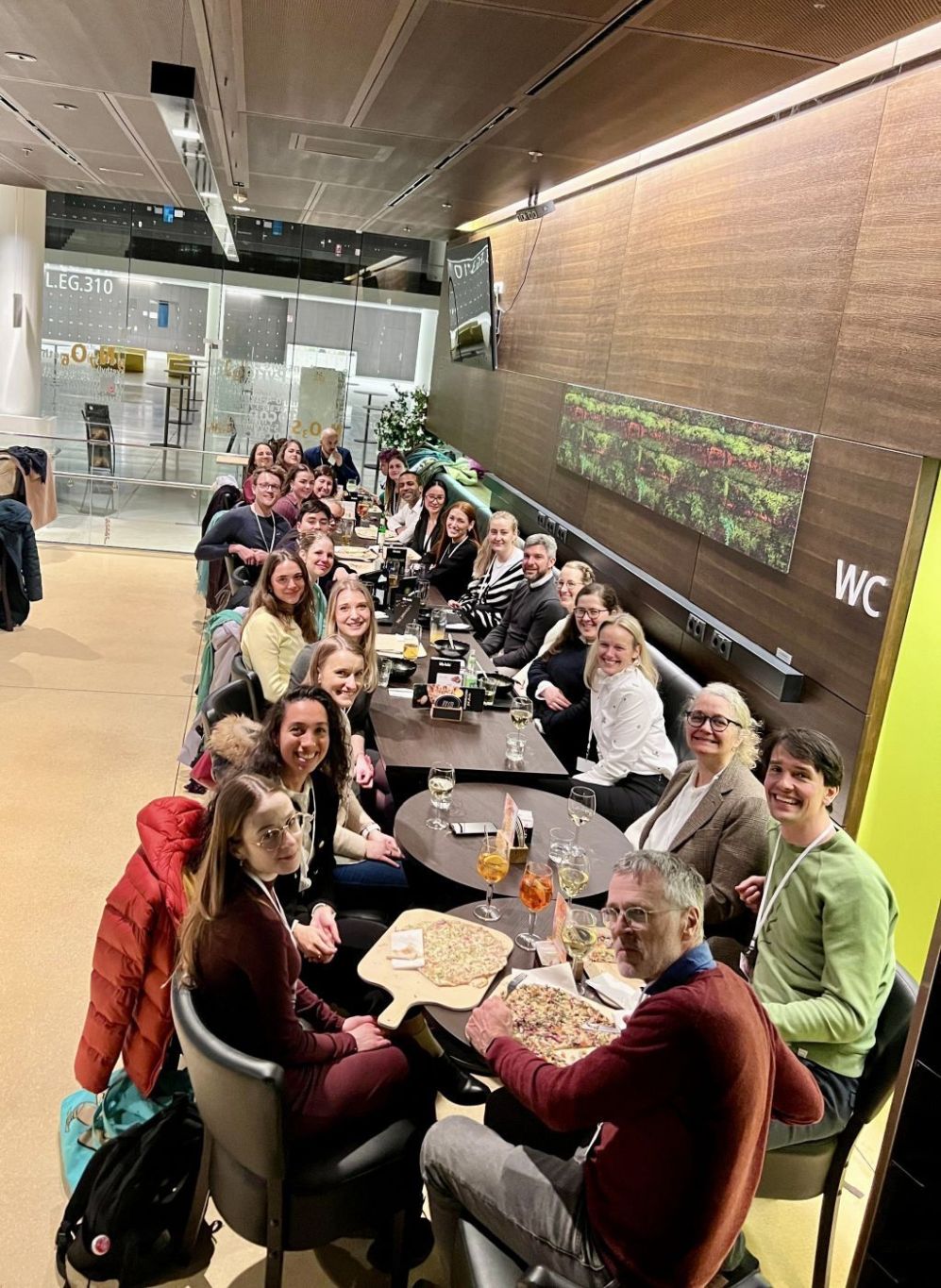
The ESCP Spring Workshop 2026 was held immediately following the 10th PCNE Working Symposium 2026, which took place in Innsbruck on 17–18 February 2026. A joint networking event brought together participants of both organisations.
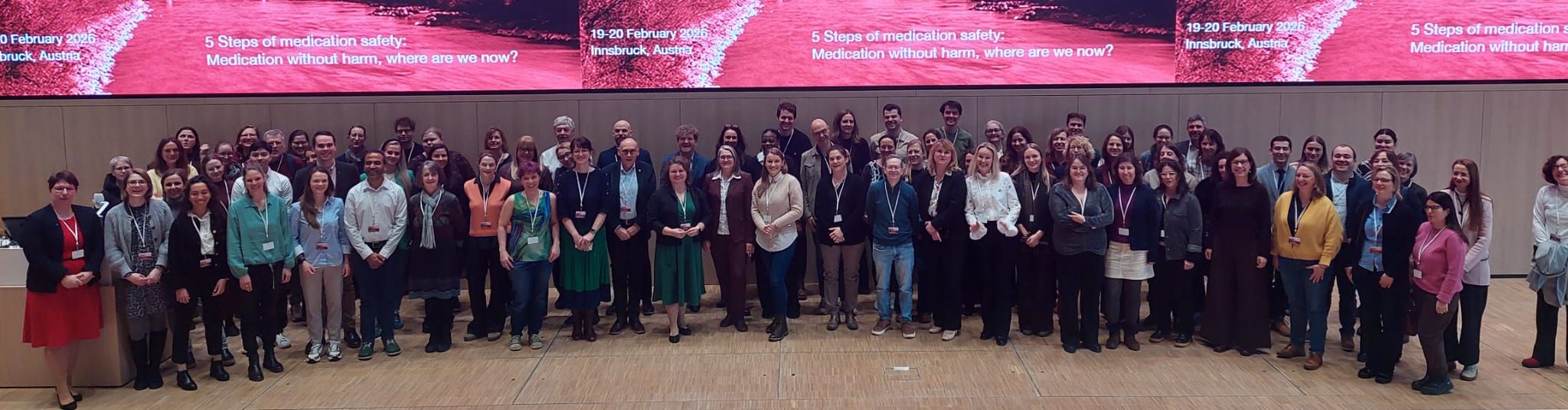
The workshop was officially opened by the ESCP President, Dr. Anna Oleárová, and the Chair of the Organizing and Scientific Committee, Prof. Anita E. Weidmann. The participants were also welcomed by Univ.-Prof. Dr. Hubert Huppertz, the Dean of the Faculty of Health Sciences, University of Innsbruck, Mag. Pharm. Stefanie Lair, Representative of the Apothekerkammer Tirol, Mag. Pharm. Martina Jeske, President of the Austrian Hospital Pharmacy Association, Mag. Pharm. Stefan Deibl, MSc, PhD, Head of Further Education of the Austrain Chamber of Pharmacists, and Dr. Ivana Tadić, Past-President of Pharmaceutical Care Network Europe.
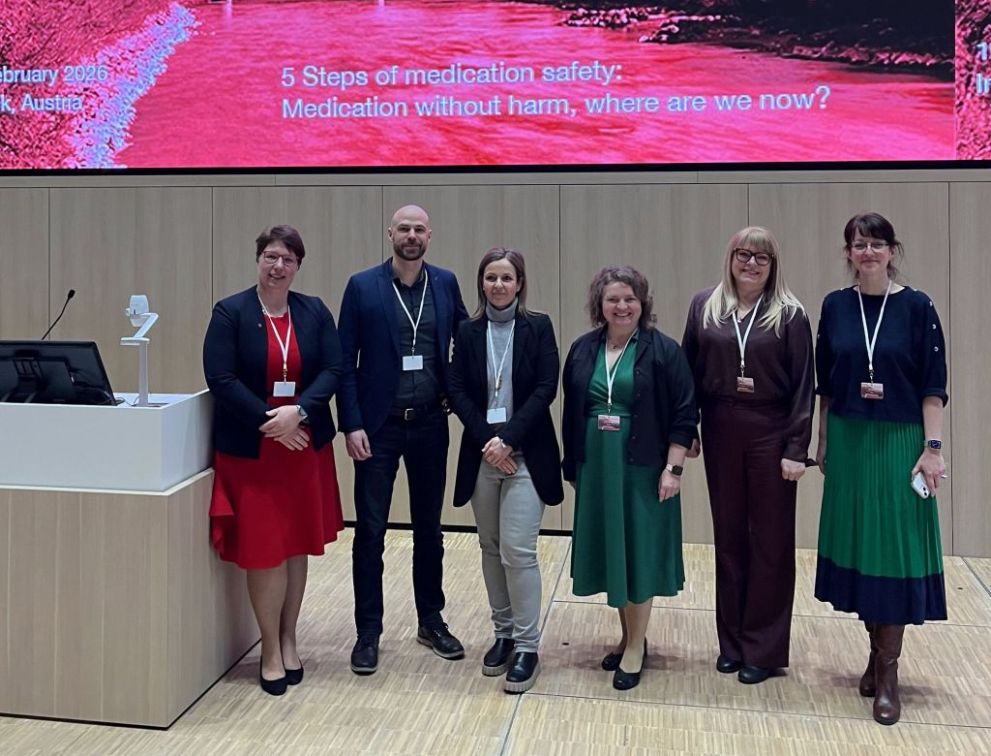
Plenary lectures: from appropriate prescribing to medication safety at transitions of care
The first plenary lecture, delivered by Prof. Carmel Hughes (Queen’s University Belfast, UK), focused on appropriate prescribing and risk–benefit assessment. The lecture addressed the challenges associated with the increasing use of medicines in ageing populations, multimorbidity and polypharmacy. It also considered the risks of adverse effects and poor adherence, as well as wider public health challenges such as antibiotic overuse and antimicrobial resistance. The presentation explored possible interventions and the importance of selecting appropriate outcomes when assessing the balance between risks and benefits of prescribing.
Prof. Olivia Dalleur (Catholic University of Leuven, Belgium) provided a comprehensive overview of medication review and its role in optimising patient outcomes. Her lecture offered a clear synthesis of the available evidence, explored innovative approaches and critically examined how medication review can move beyond traditional models towards more effective and patient-centred interventions. By bringing together evidence, innovation and different perspectives, the lecture provided valuable insights into the evolving role of medication review in improving medication use and patient outcomes.
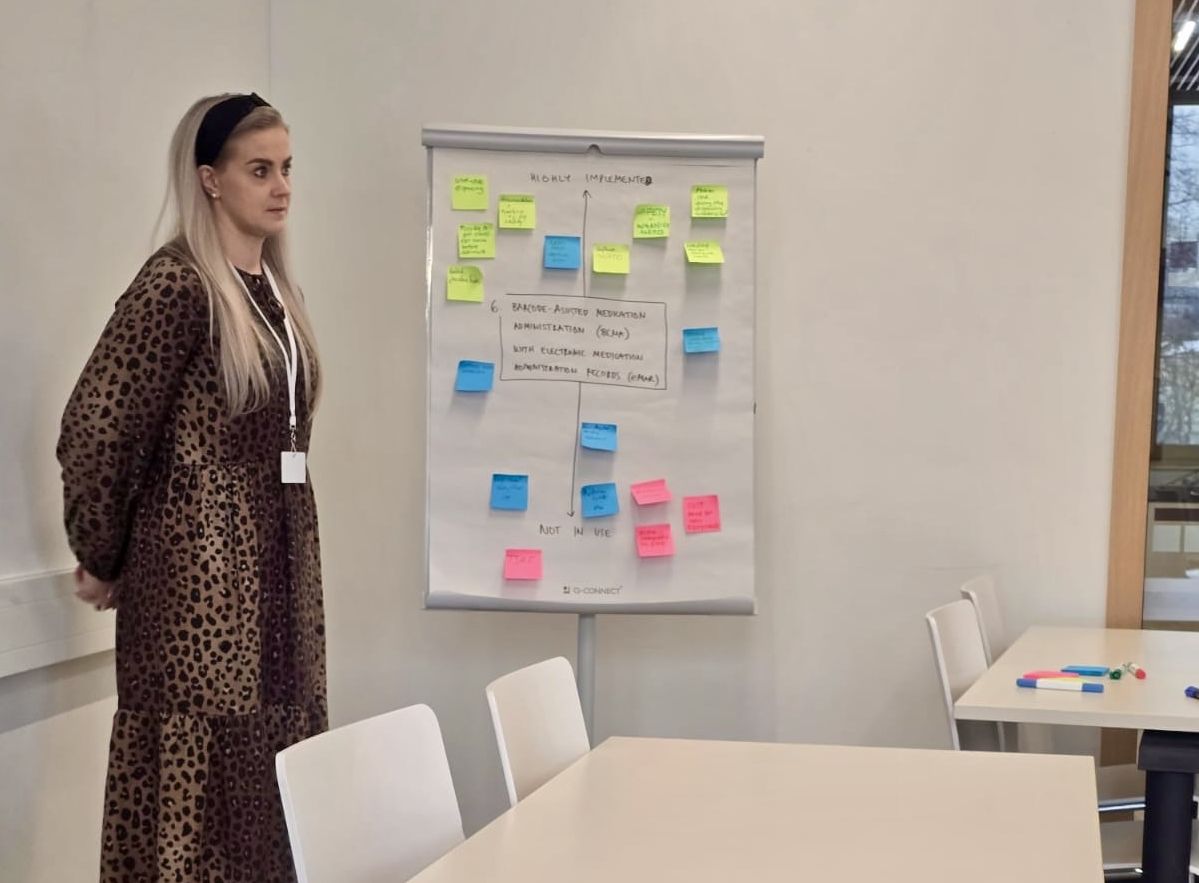
The third plenary lecture, delivered by Assoc. Prof. Lotta Schepel (University of Helsinki, Finland), focused on electronic closed-loop medication management systems. The presentation described how electronic systems can reduce manual and error-prone processes in medication management. Closed-loop medication management may include electronic prescribing, pharmacy verification, smart infusion pumps, automated dispensing cabinets and barcode-assisted medication administration. The lecture also addressed the challenges associated with the implementation of new technologies, including their impact on workflows, patient safety and resource management, using the experience of Helsinki University Hospital as an example.
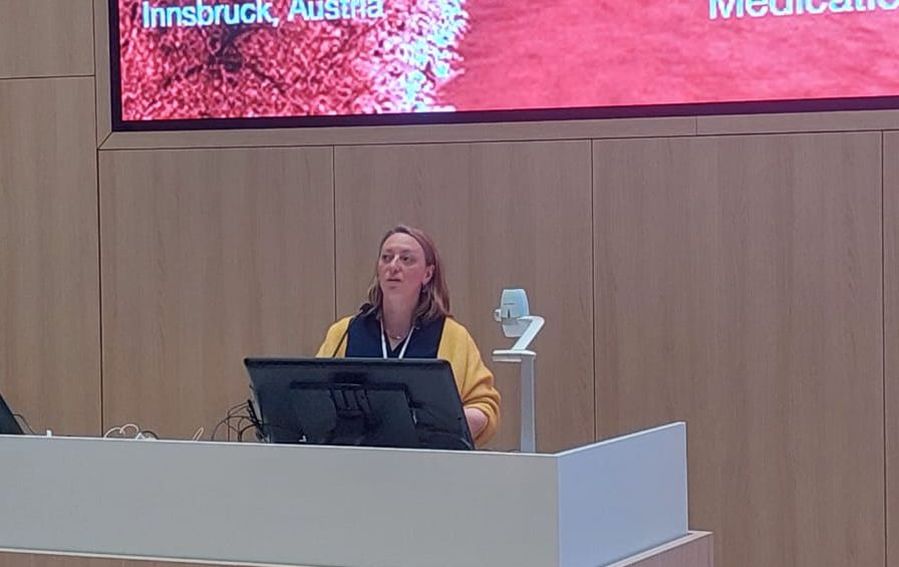
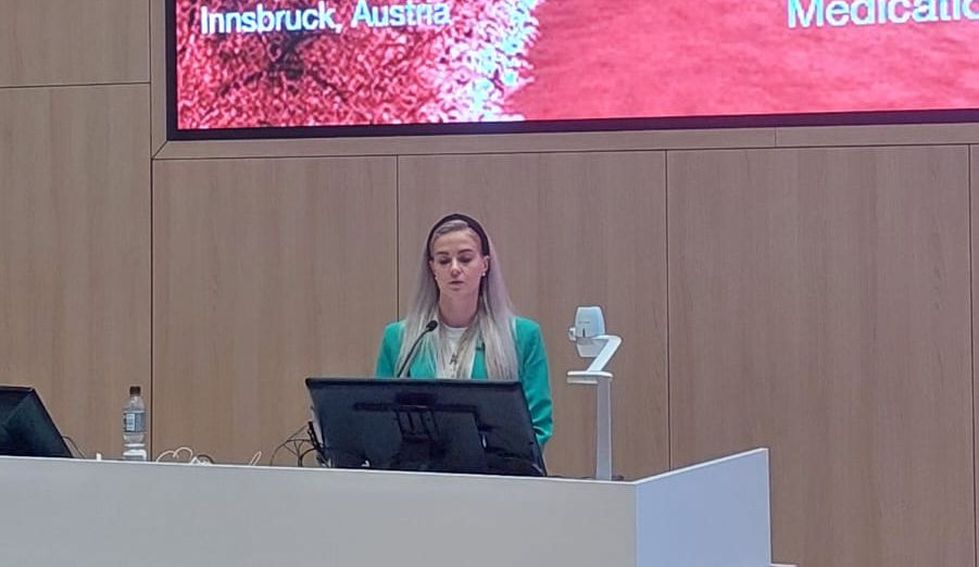
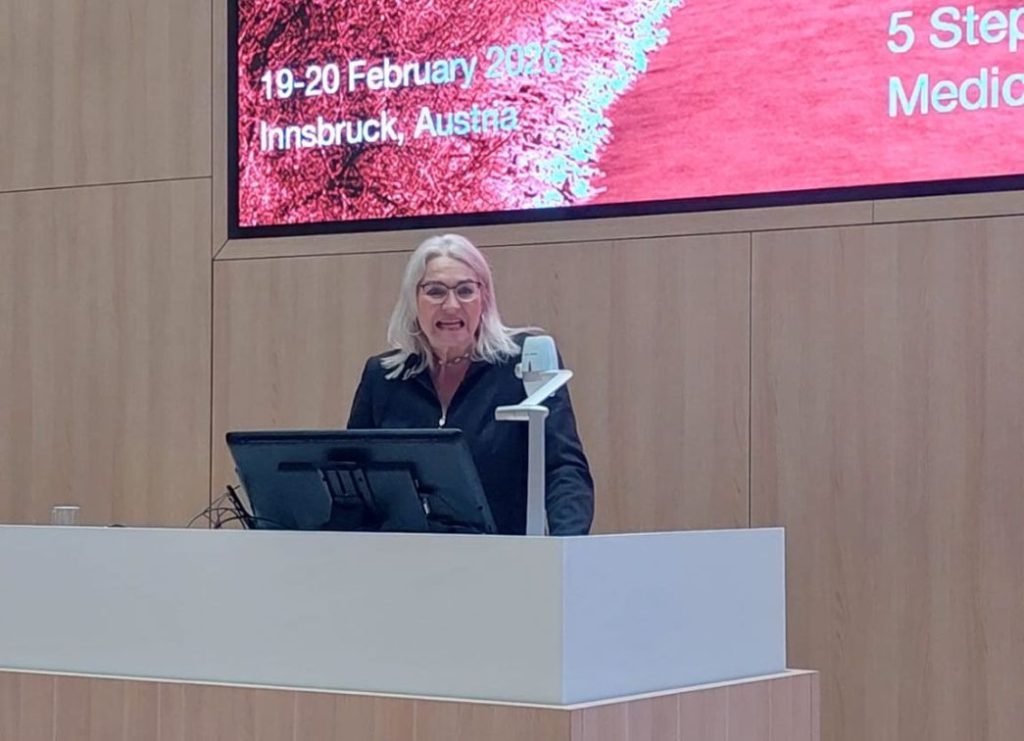
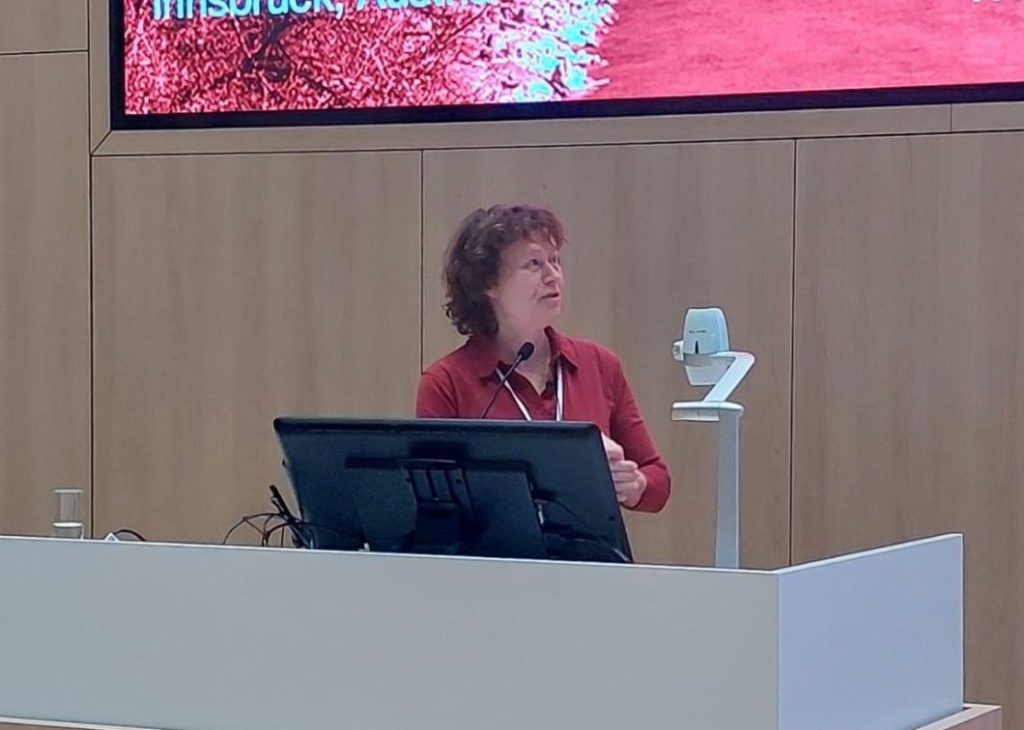
Prof. Lotte Stig Nørgaard (University of Copenhagen, Denmark) focused on patient engagement in healthcare, communication and practical approaches to patient involvement. The lecture highlighted the importance of communication between healthcare professionals and patients for medication safety and introduced selected models of communication and patient engagement. It also addressed the differences between patients’ and healthcare professionals’ perspectives on medicines and the importance of taking these differences into account when creating medication-safe treatment pathways.
The final plenary lecture was delivered by Dr. Clementine C.M. Stuijt (Centre of Excellence in Parkinson’s disease Groningen, the Netherlands and focused on medication reconciliation during care transitions. Transitions between home, hospital, outpatient care and primary care are critical points in the patient journey and may be associated with unintended medication discrepancies. The lecture addressed medication reconciliation as a structured process for ensuring accurate and comprehensive transfer of medication information between healthcare settings. It also considered the role of pharmacist-led medication reconciliation, medication optimisation, collaboration with other healthcare professionals and patient education in reducing medication errors and preventable adverse drug events.
Workshops: practical approaches to medication safety
Five interactive workshops formed an important part of the program. Each workshop was delivered in two parts and repeated on both days, allowing participants to select different topics during the two-day program.
- The workshop “Success and failure: what should we measure in studies focusing on appropriate prescribing?”, moderated by Prof. Carmel Hughes, focused on the selection of outcomes and the use of core outcome sets in studies of appropriate prescribing.
- “Making Medication Review Matter: Practical Solutions for Clinical Pharmacists”, moderated by Prof. Olivia Dalleur, addressed practical approaches to structuring medication reviews, prioritising interventions, using decision-support tools and integrating patient perspectives.
- Assoc. Prof. Lotta Schepel’s workshop, “Improving Medication Safety with electronic closed-loop medication management system – where are we now?”, examined the implementation of closed-loop electronic medication management systems and the factors that facilitate or hinder their implementation.
- The workshop “Patient Engagement in Health Care – Overview, Communication, Practical Tips and Outcomes”, led by Prof. Lotte Stig Nørgaard, focused on communication, patient engagement and inclusion in medication safety, with participants sharing experiences and discussing challenges and good practices.
- Finally, Dr. Clementine Stuijt led “Medication Reconciliation and beyond in Persons with Parkinson’s disease”, focusing on medication reconciliation and medication review in people living with Parkinson’s disease, as well as the identification of medication-related problems and opportunities for intervention.
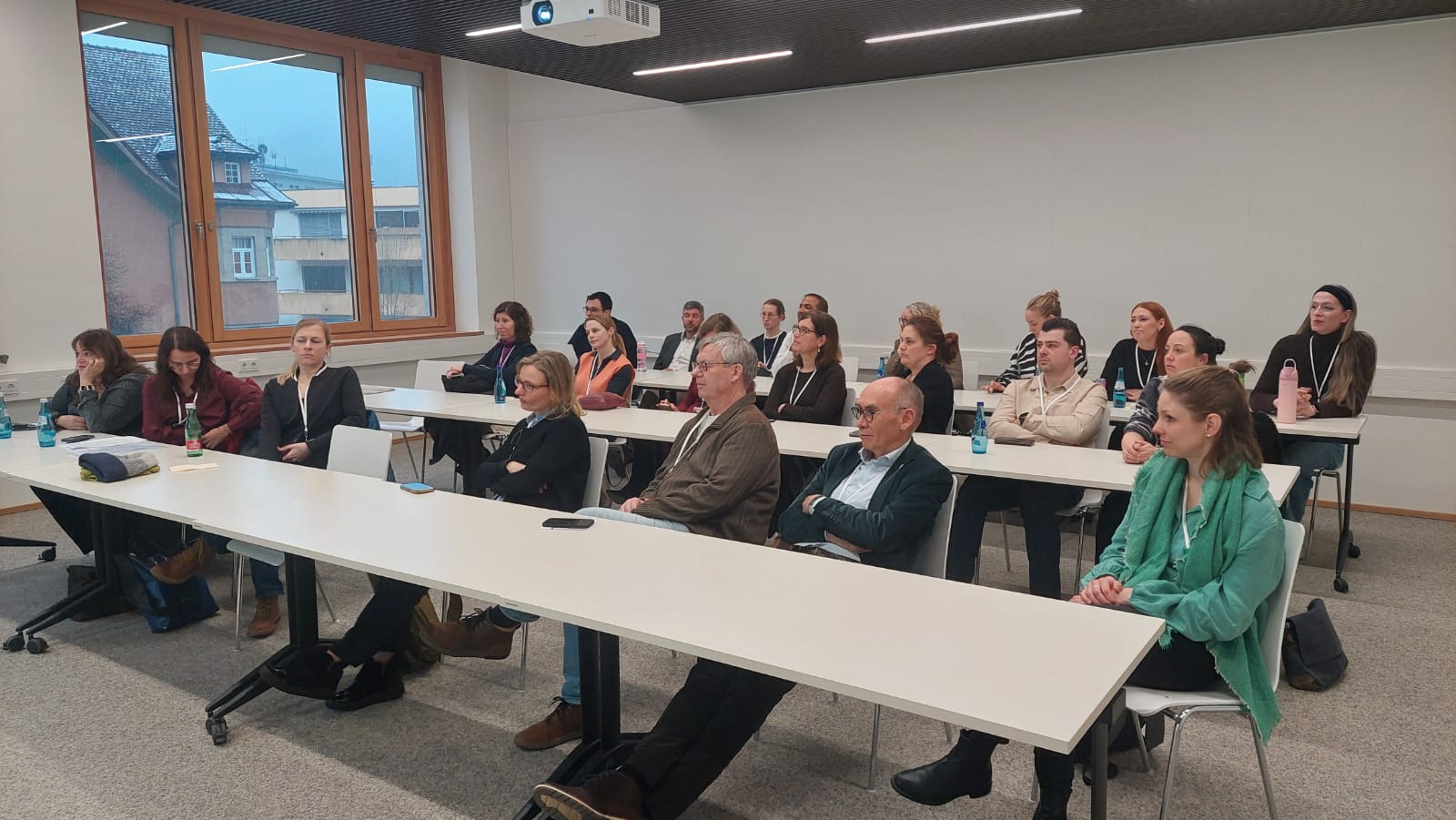
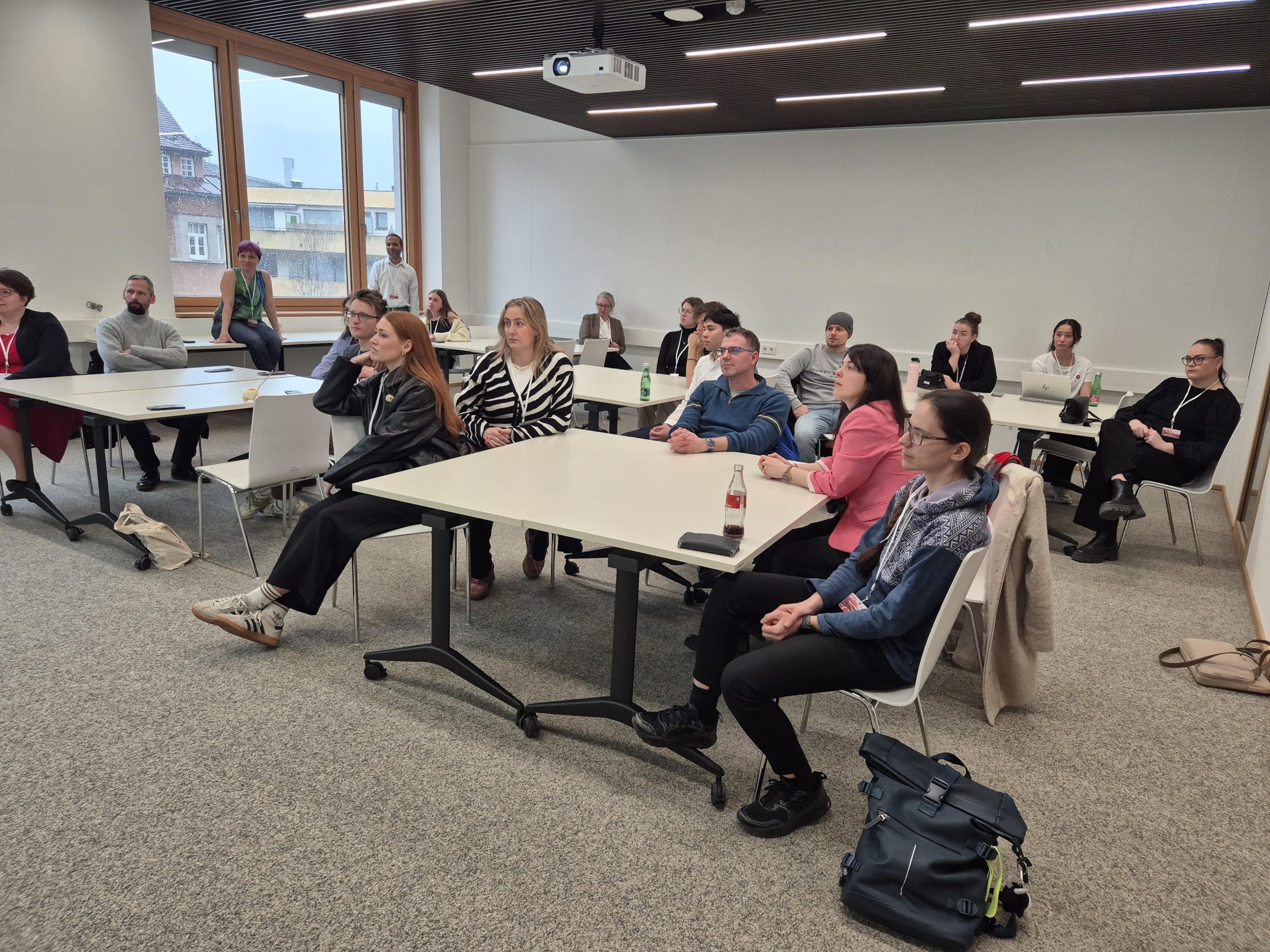
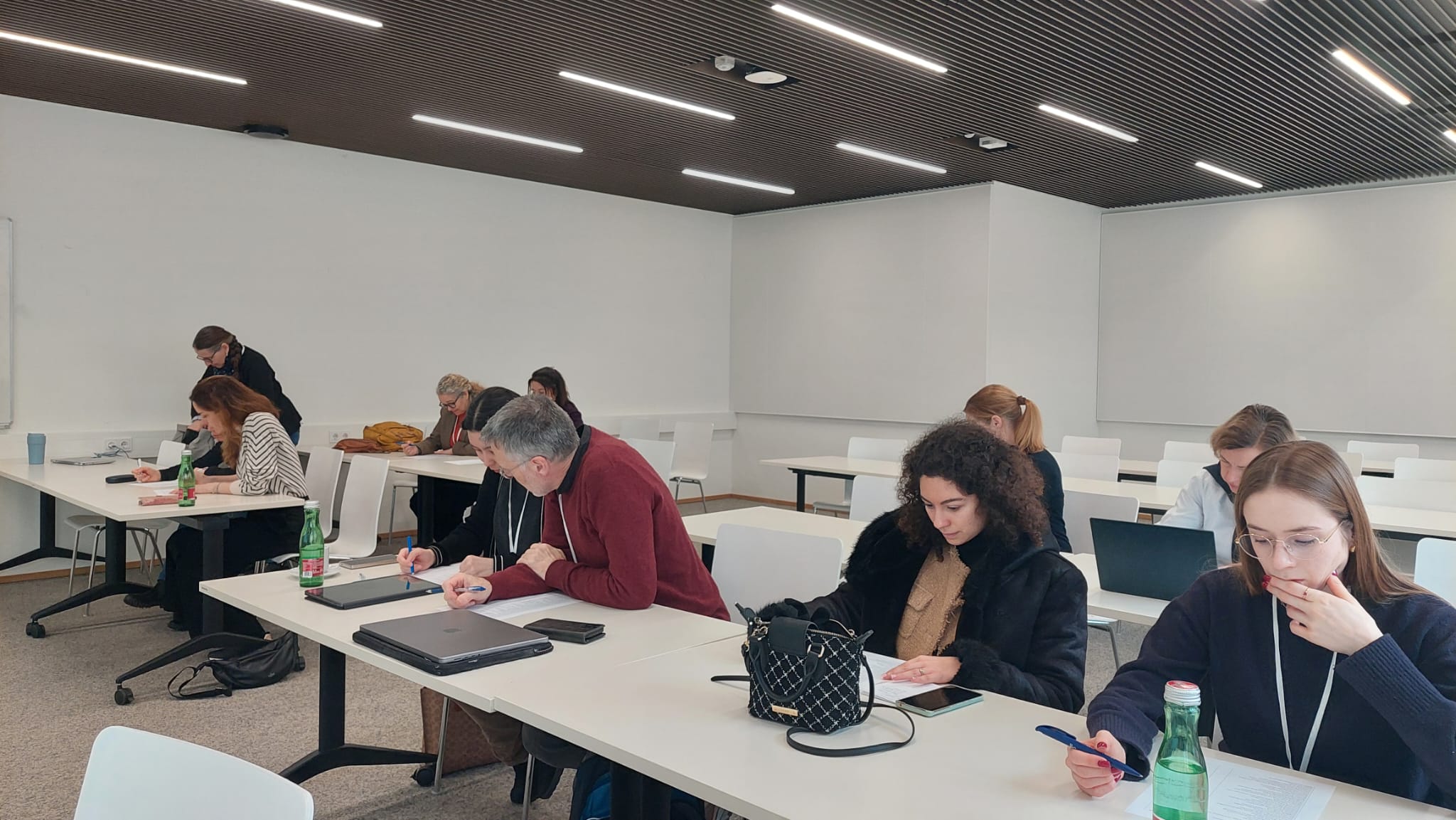
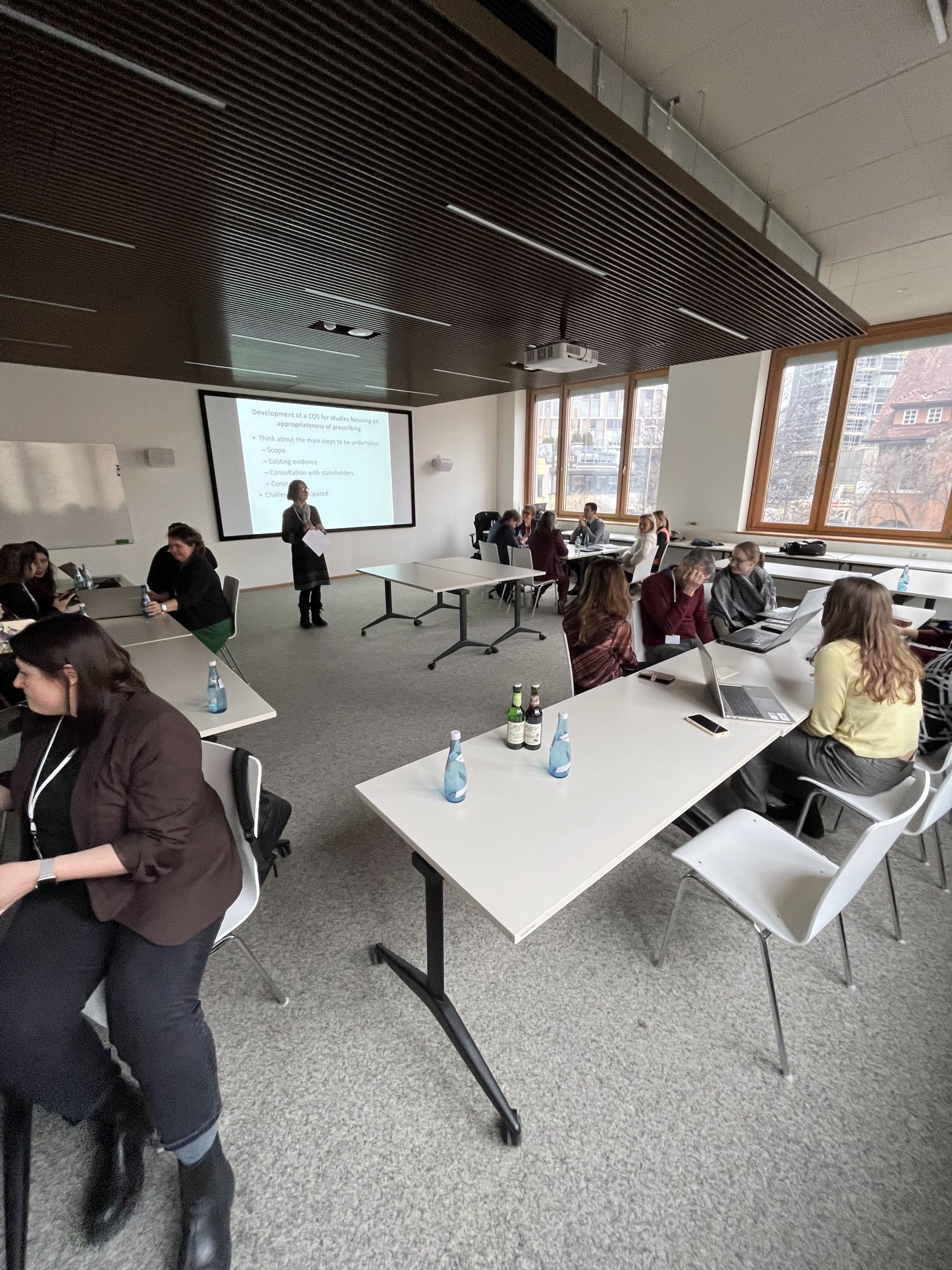
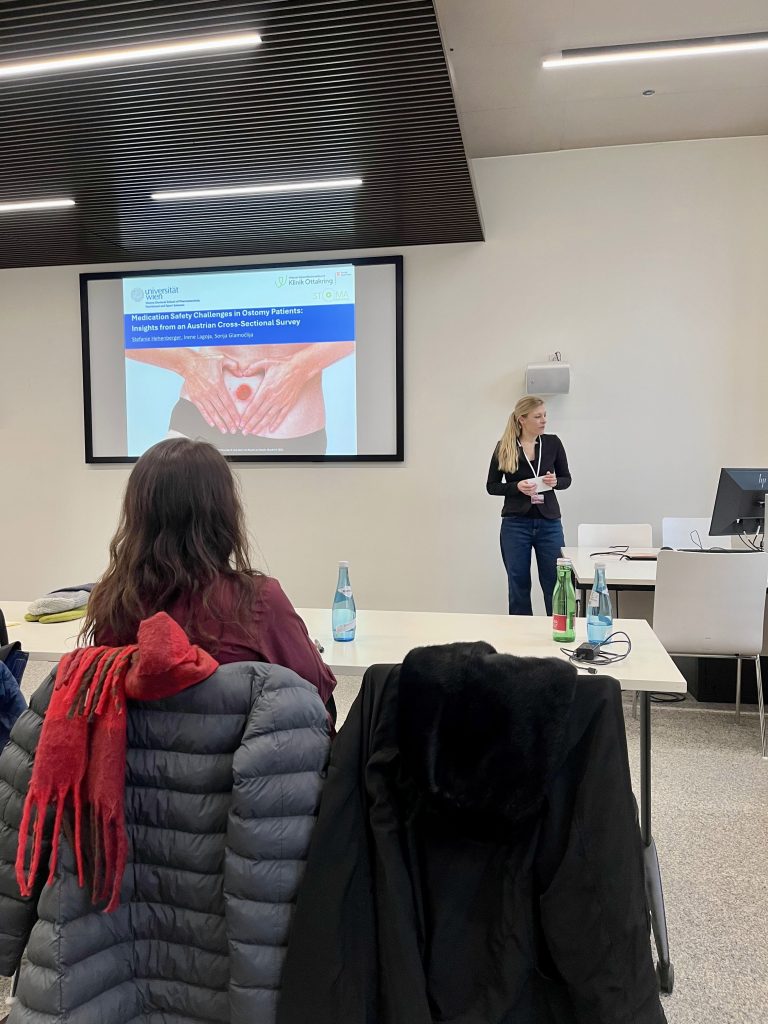
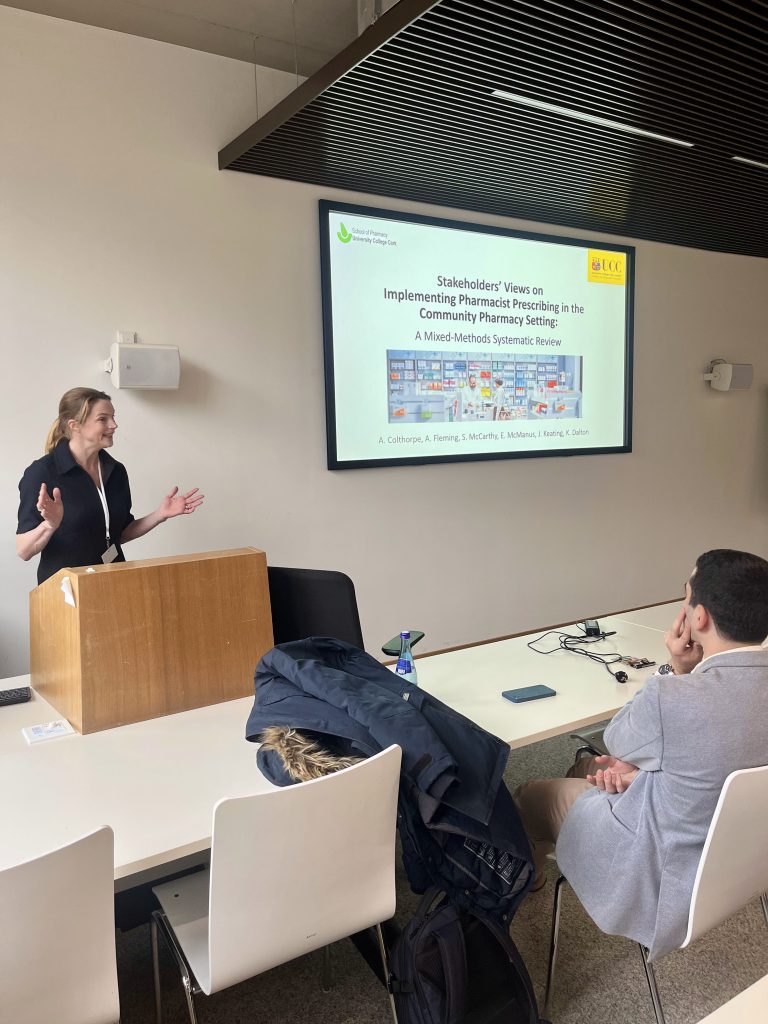
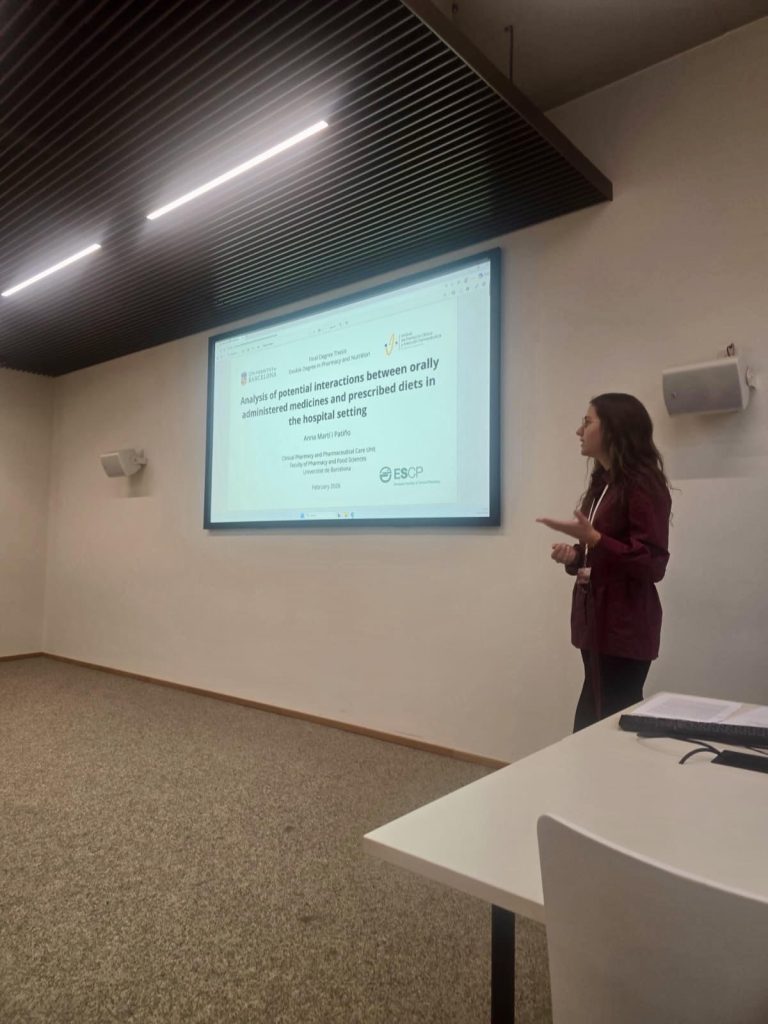
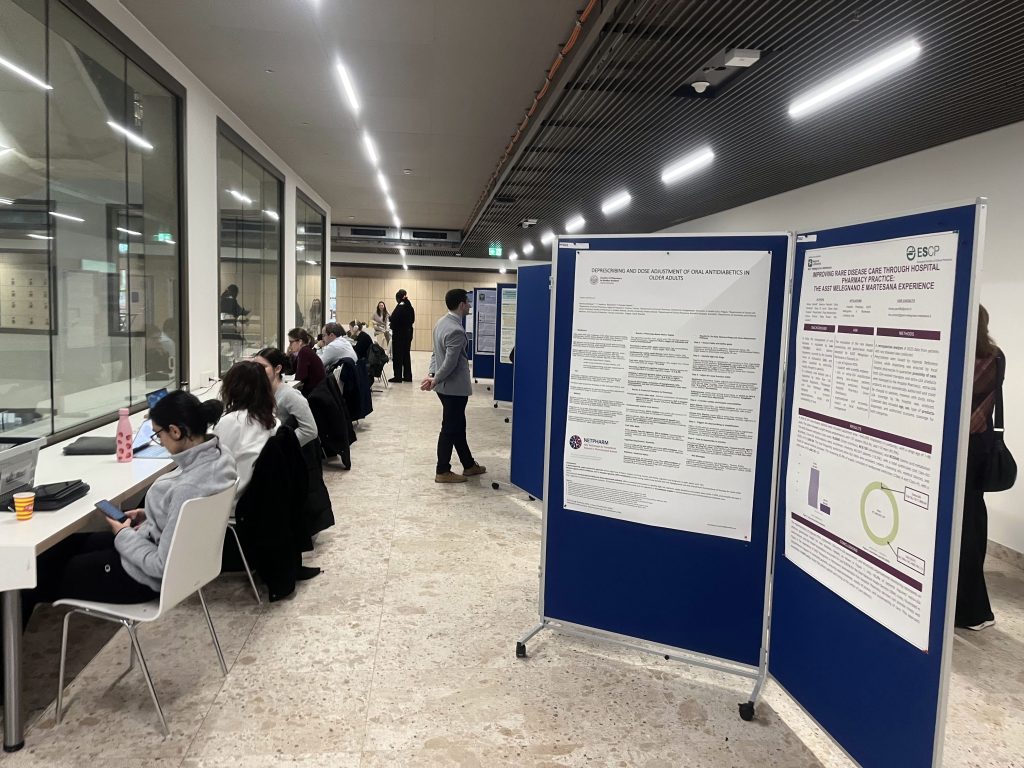
The scientific program also included oral communications and poster presentations covering a broad range of topics in medication safety and clinical pharmacy practice. The presentations addressed medication use and safety in different patient populations and clinical settings, antimicrobial stewardship, medication adherence, drug–food interactions, pharmacist-led interventions and clinical pharmacy services. The poster presentations further reflected the breadth of current research and practice in clinical pharmacy, covering topics including medication safety, pharmaceutical care, antimicrobial therapy, oncology and the implementation of clinical pharmacy services.
Additional Program Highlights
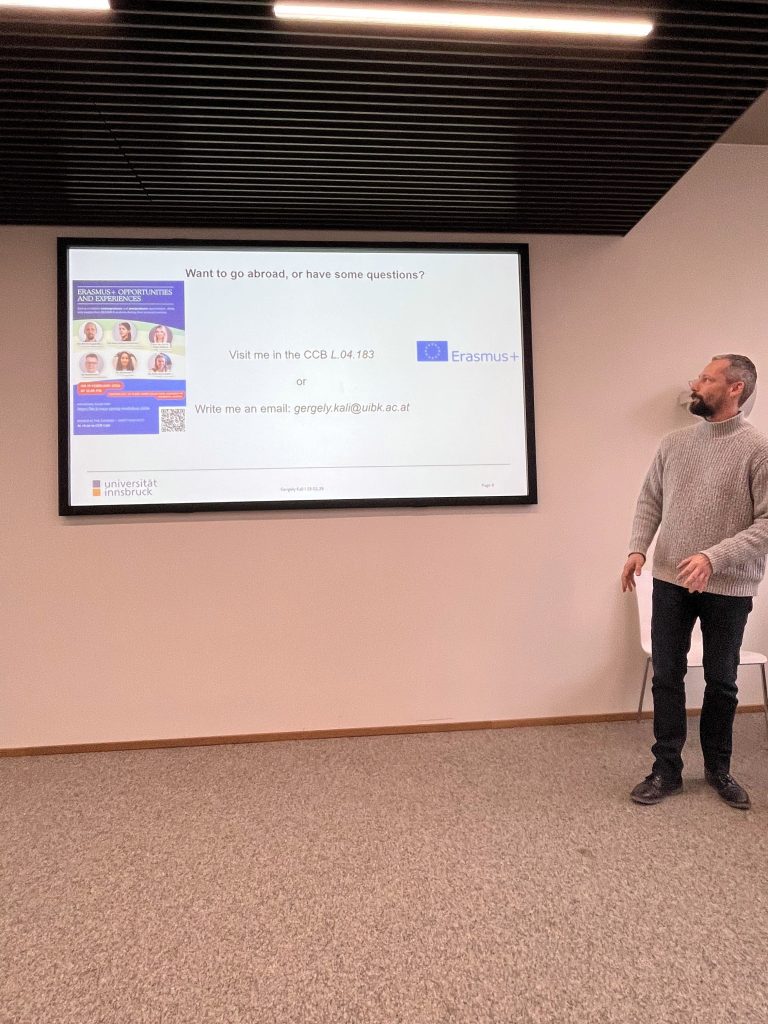
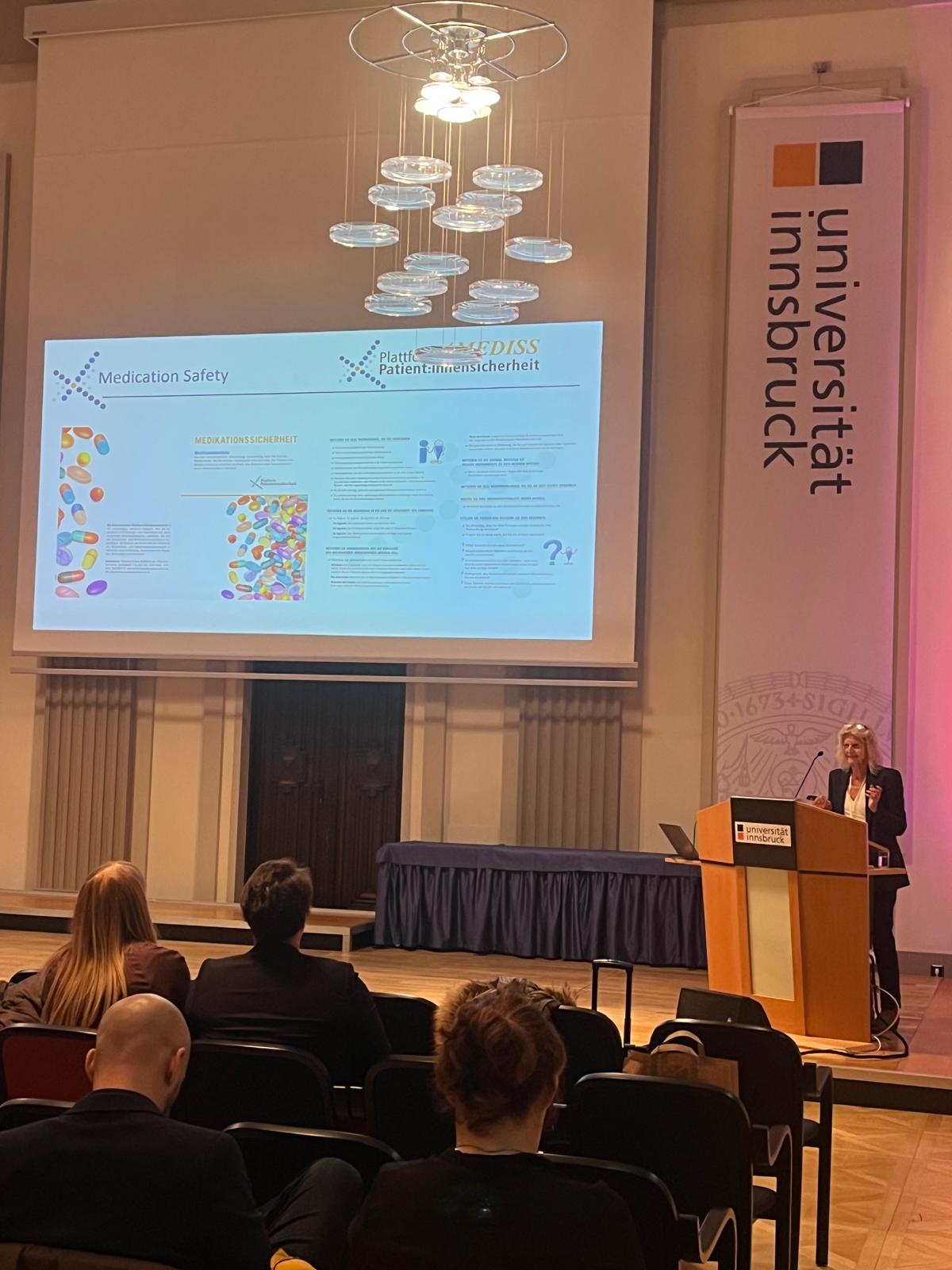
The program was enriched by an After-hours Dialogue on Medication Safety, delivered by Dr. Irena Mechtler of the Austrian Platform for Patient Safety. The scientific program also included a presentation by Prof. Przemysław Kardas on the findings of the Europe-wide DISPOSAL study, Household Pharmaceutical Waste as an Overlooked Source of Medication-Related Harm: Results of a Europe-Wide DISPOSAL Study. A particular highlight was the BAYER-sponsored lecture on Contrast Media Safety Update, delivered by Dr. Thomas Wels, who provided a valuable update on this important aspect of medication safety. The program also included an Erasmus+ lecture for students, during which young colleagues shared their own experiences of Erasmus+ mobility and introduced students to the opportunities available through the program.
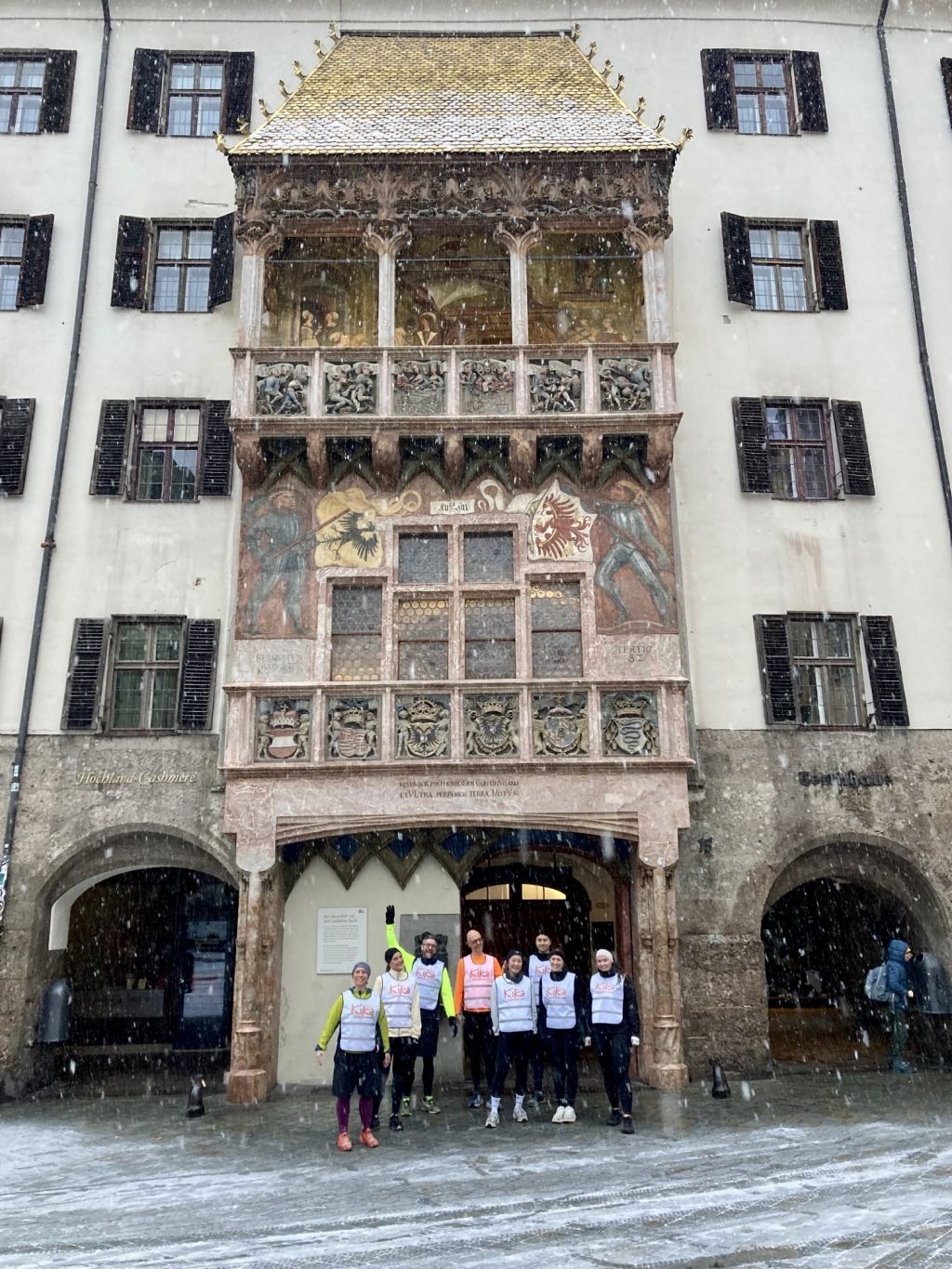
The traditional charity Fun Run was once again organised in support of Children with Cancer. The activity has become a regular part of ESCP workshops and symposia, bringing participants together to support a charitable cause. The YESCP Dinner provided an opportunity for young clinical pharmacists and early-career researchers to meet and connect in an informal setting.
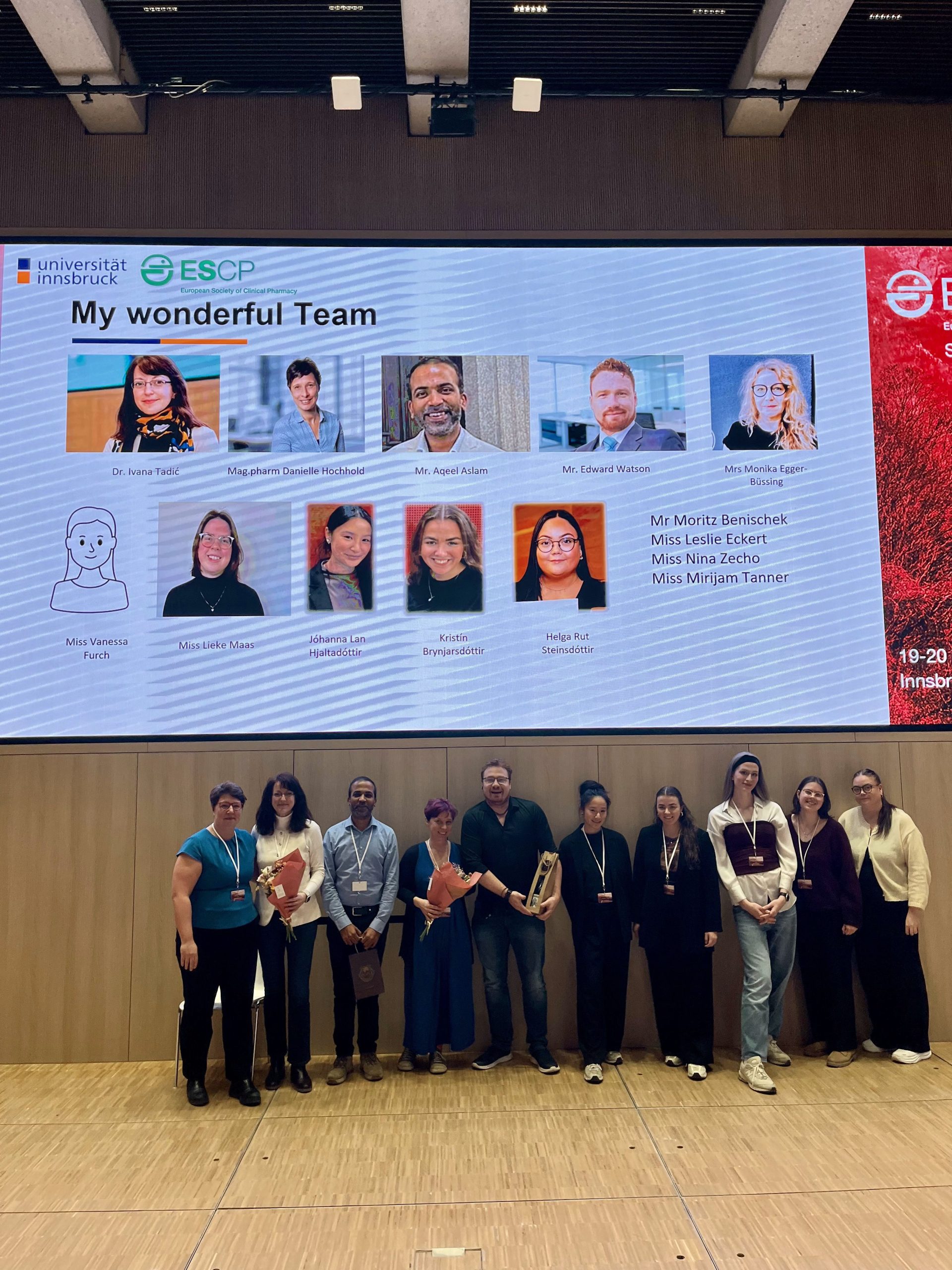
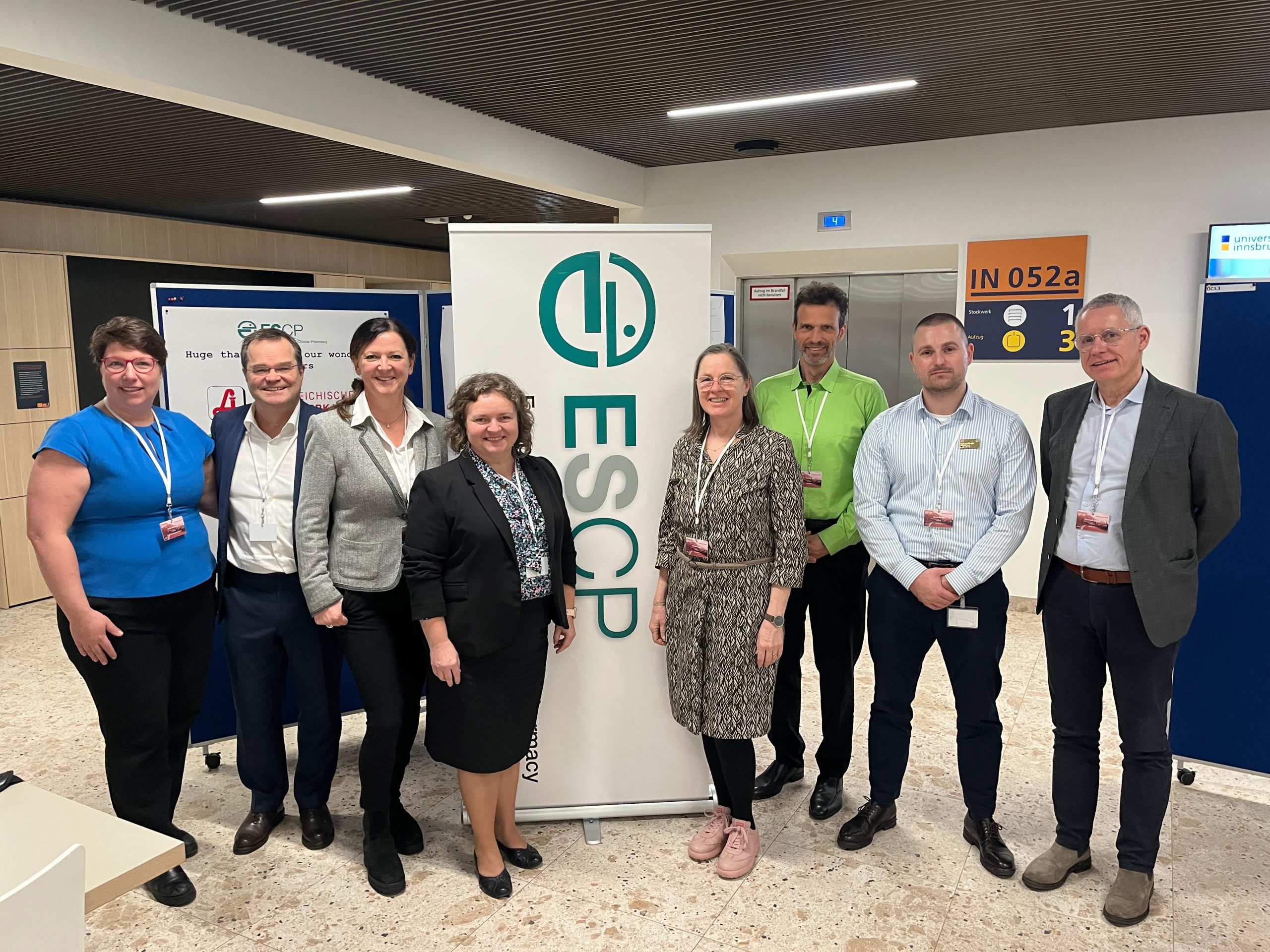
A sincere thank you to everyone who contributed to this successful event – especially Univ.-Prof. Dr. Anita Weidmann and her fantastic team; University of Innsbruck for hosting us; all plenary speakers, workshop moderators, the Scientific and Organising Committees of the symposium, the ESCP International Office, our sponsors: the Austrian Chamber of Pharmacists, AstraZeneca, Bayer, DoseMe, Novartis, and Takeda, as well as all participants for sharing their knowledge, skills, and work through posters, oral communications, and networking.
The abstracts of the scientific contributions presented at the workshop were published in the International Journal of Clinical Pharmacy, ESCP’s affiliated journal.
The Journey Continues: From Innsbruck to Almada
The ESCP Spring Workshop 2026 provided an opportunity to examine medication safety from multiple perspectives – from appropriate prescribing and medication review to digital medication management, patient engagement and medication reconciliation at care transitions. These topics will continue to be central to the development of clinical pharmacy practice and to the work of clinical pharmacists in improving medication use and patient safety.
The role of clinical pharmacists in navigating these challenges will be further explored at the annual 54th ESCP Autumn Symposium 2026, which will take us to Almada, Portugal and focus on Bridging Gaps: Clinical Pharmacy in the Digital Transition of Care. Don´t miss the early bird registration!
Join ESCP (become a member)
Join ESCP today and help to strengthen our clinical pharmacy community. We are a global society for all members of the pharmacy team in all settings.
Click here for membership