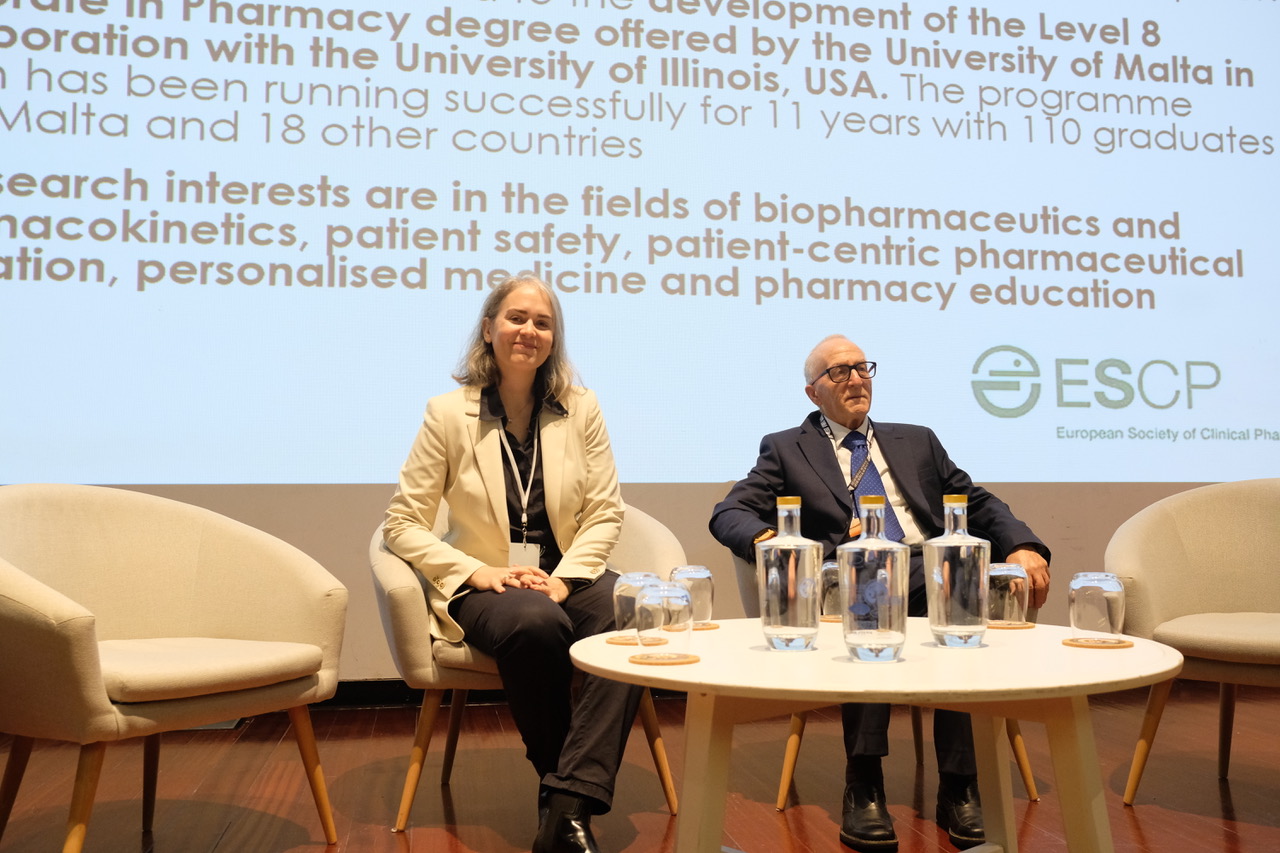
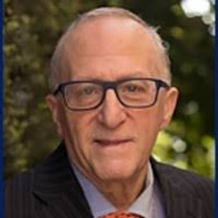
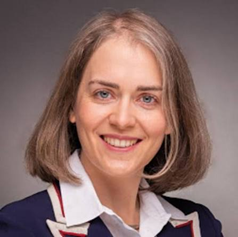
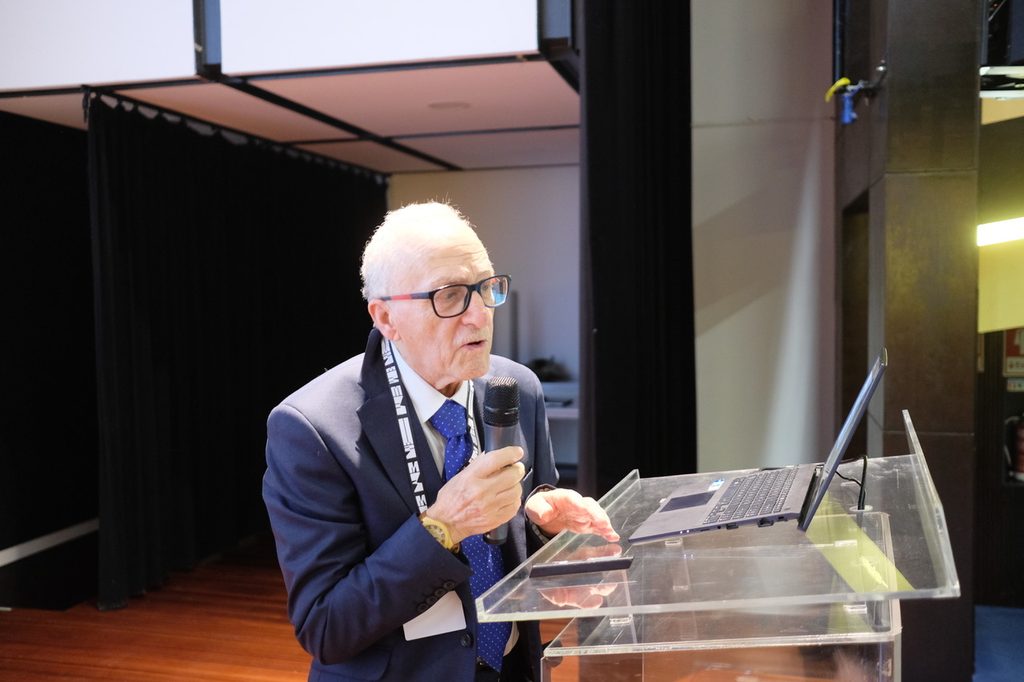
The European Society of Clinical Pharmacy has awarded the ESCP Fellow 2026 (FESCP) to two outstanding colleagues: Prof. Dr. Anthony Serracino Inglott (Malta) and Prof. Dr. Martina Hahn (Germany). Both have made significant contributions to the ESCP and advancement of clinical pharmacy in their countries as well as internationally, driving excellence across research, education, and clinical practice.
Prof. Dr. Anthony Serracino Inglott, PhD.
For over five decades, Prof. Serracino Inglott has been a driving force in the evolution and professionalization of clinical pharmacy. He pioneered Malta’s first clinical pharmacy services in acute and geriatric hospitals, embedding pharmacists directly into multidisciplinary patient care teams. Education & Research: Pioneering clinical pharmacy education at the University of Malta since the late 1980s, he co-developed an international Level 8 Doctorate in Pharmacy degree with the University of Illinois, graduating over 110 specialists worldwide. His research focuses on biopharmaceutics, patient safety, personalized medicine, and regulatory affairs. Impact on ESCP: A long-standing leader within ESCP, he chaired the 3rd ESCP Spring Conference (2001) and the Scientific Committee for the 37th ESCP Annual Conference. Between 2001 and 2006, he co-led ESCP training courses in Malta and continues to inspire generations of postgraduate students to actively engage with the ESCP network.
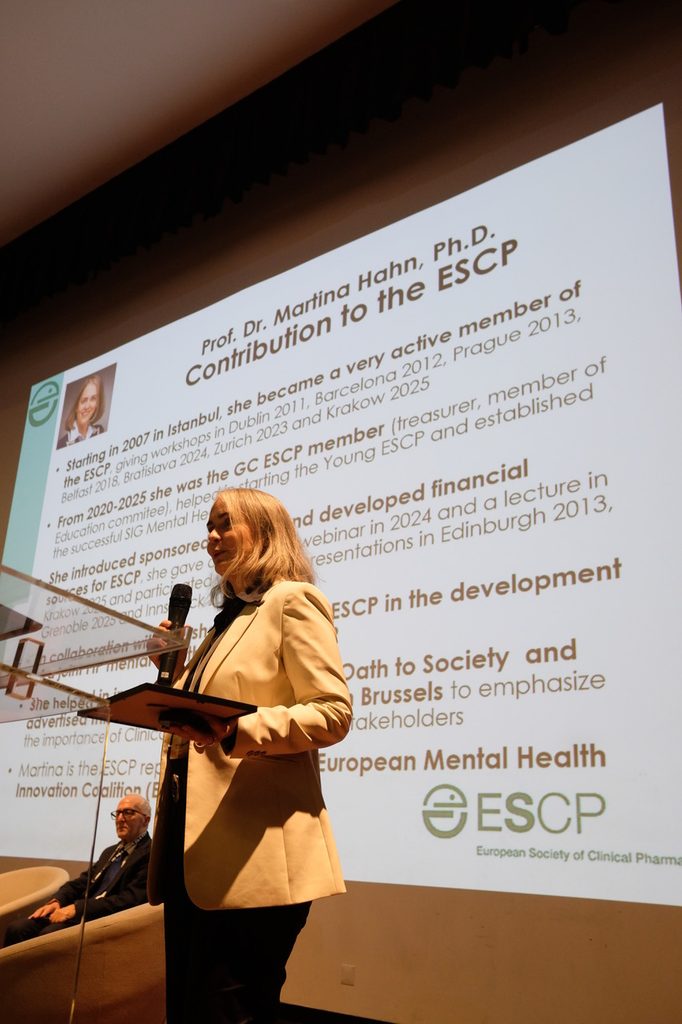
Prof. Dr. Martina Hahn, PhD.
Prof. Martina Hahn is a groundbreaking leader who paved the way for quality training and practice in psychiatric clinical pharmacy. Becoming Germany’s first psychiatric clinical pharmacist in 2011, she co-developed the internationally recognized Eichberger Model. Education & Research: A lecturer for 15 pharmacy chambers and universities across Europe and the US giving regular lectures on mental health, drug interactions and pharmacogenetics. She has authored over 100 scientific articles. Her expertise in pharmacogenetics and drug interactions led to her involvement in drafting national and international treatment guidelines in neuropsychopharmacology and depression. Impact on ESCP: An active contributor since 2007, she served on the ESCP General Committee (as Treasurer and Education Committee member) from 2020 to 2025. She helped launch Young ESCP, established the successful SIG on Mental Health, co-authored the joint FIP-ESCP Mental Health Handbook, and promoted clinical pharmacy services directly to policy-makers in the European Parliament.
Congratulations to Prof. Serracino Inglott and Prof. Hahn on this well-deserved recognition! We are honored and delighted to have them as such active and inspiring members of our ESCP community.
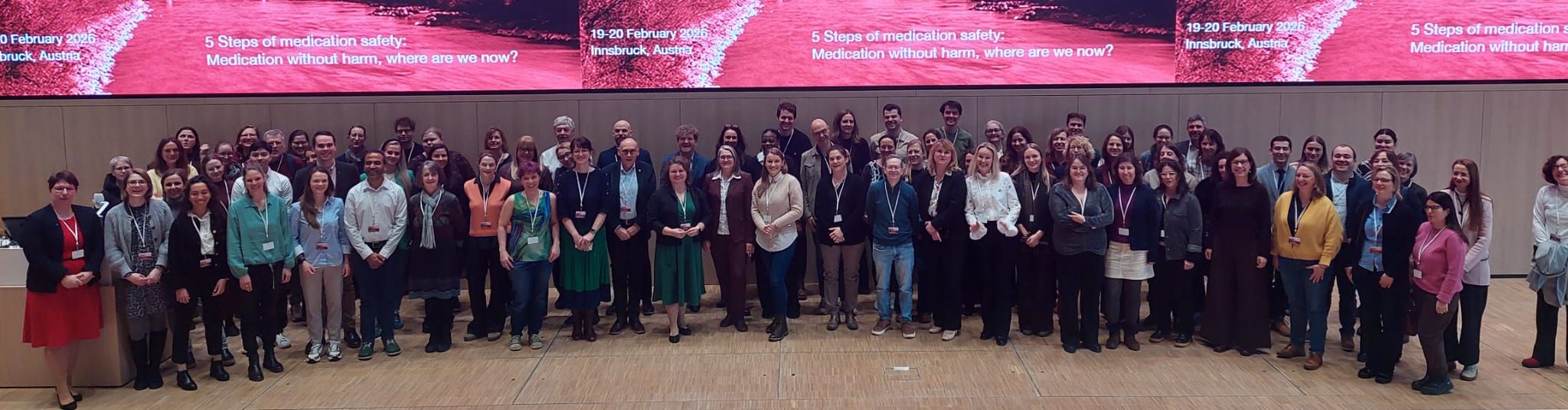
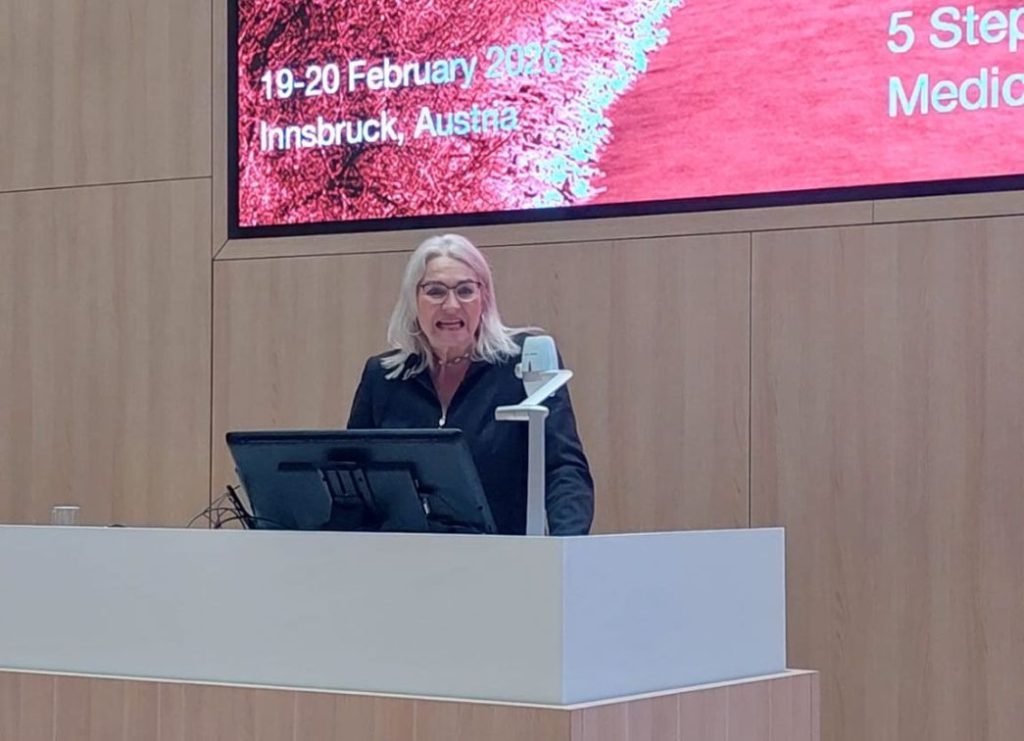
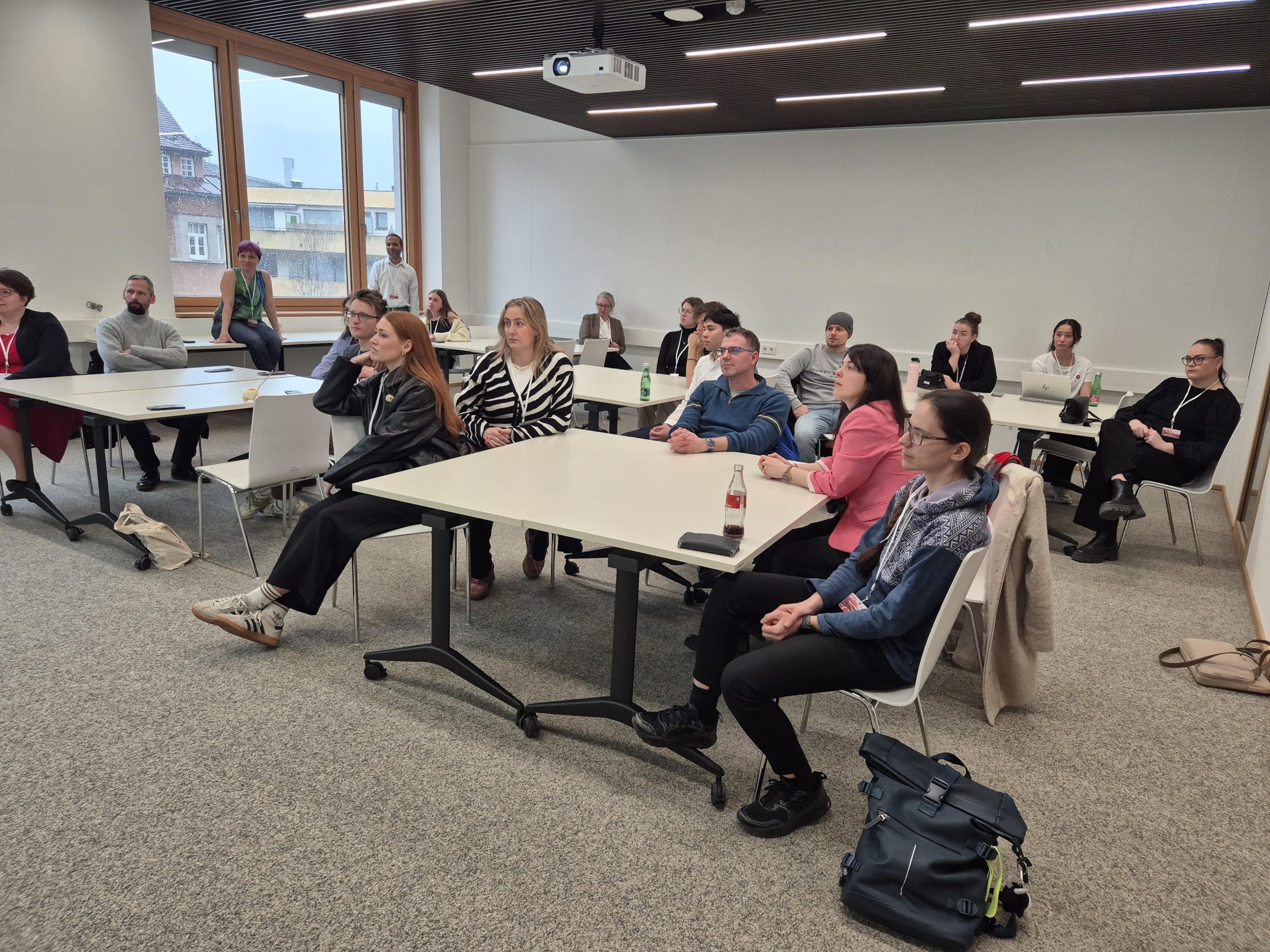
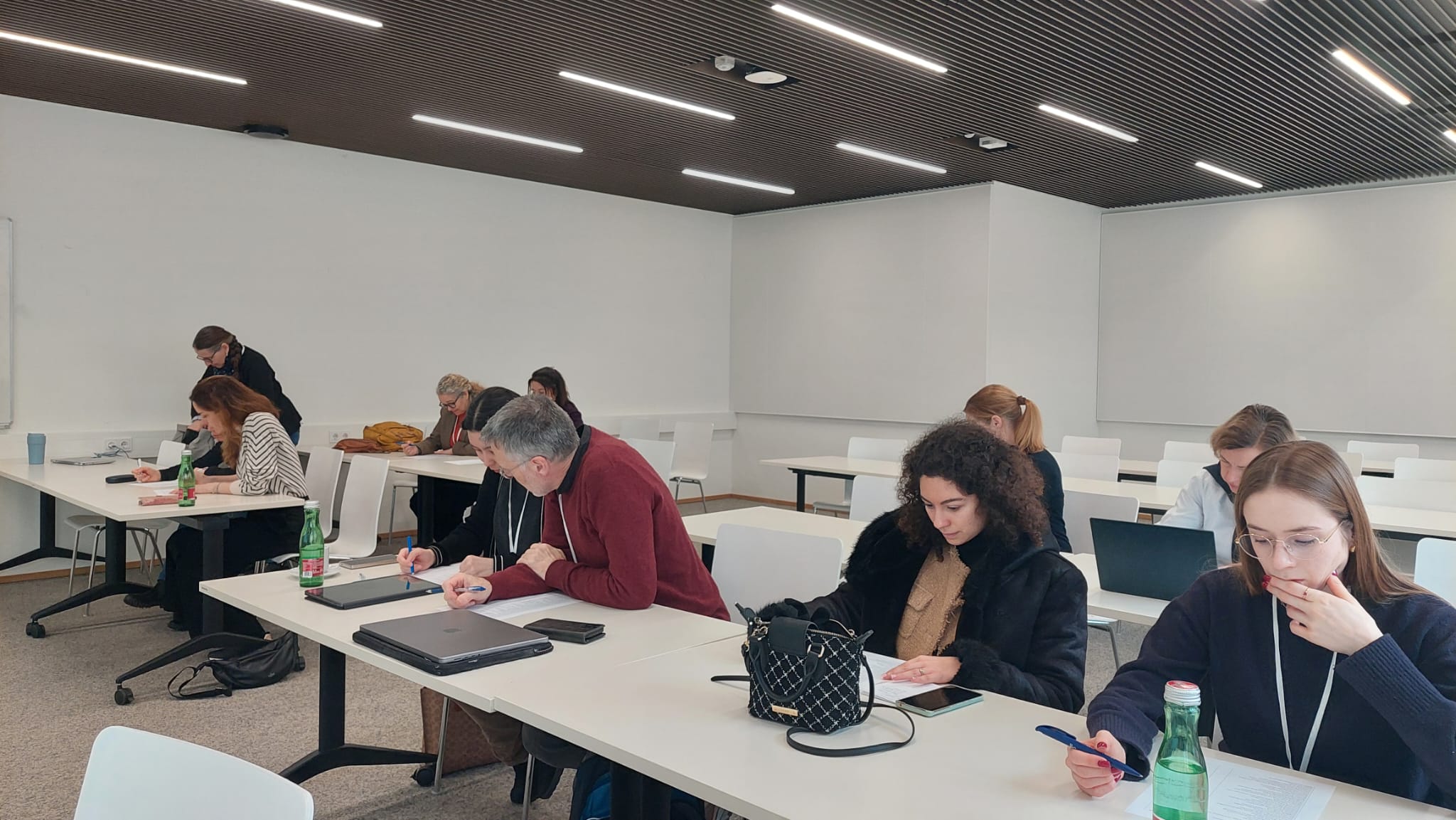
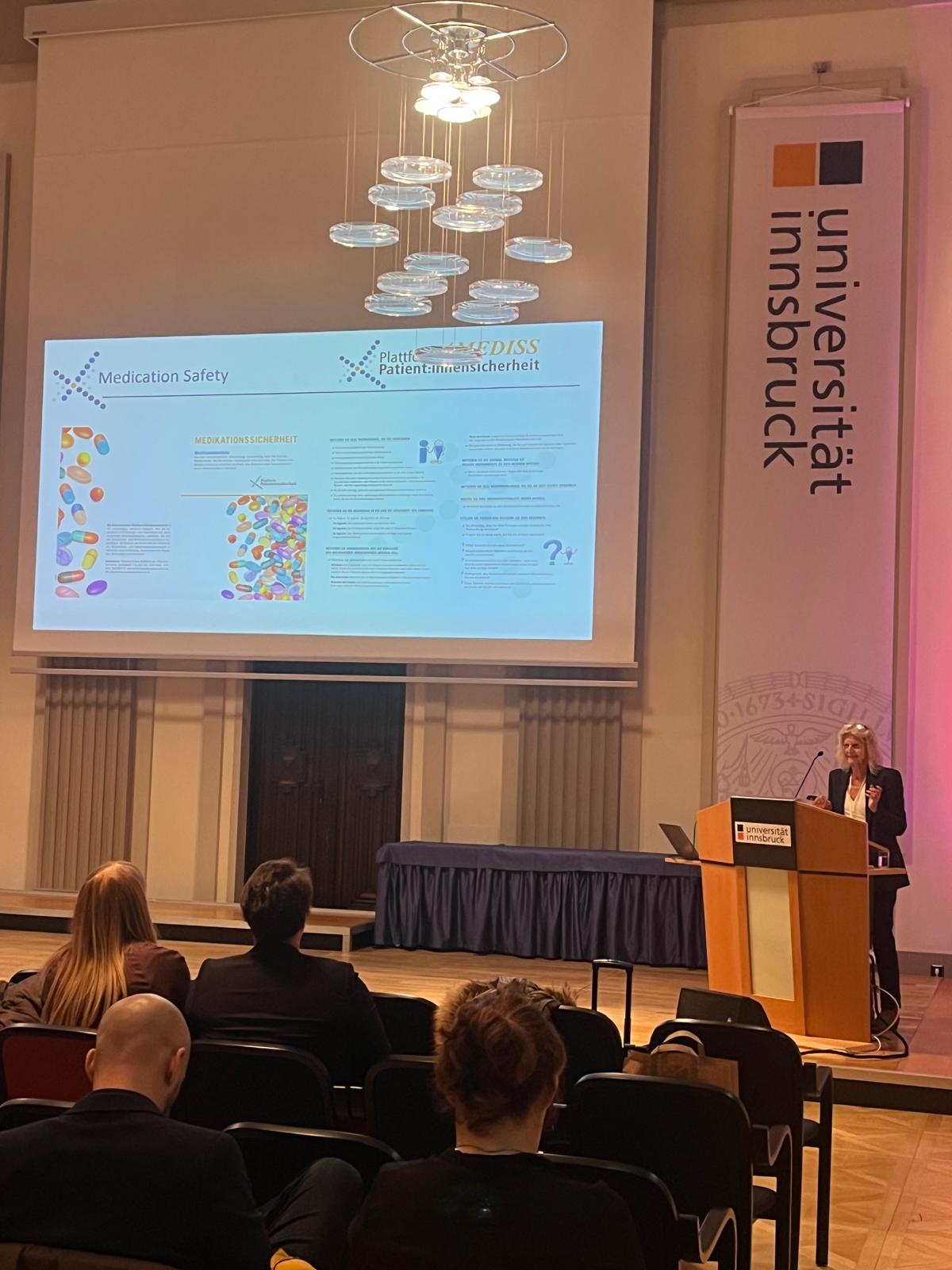
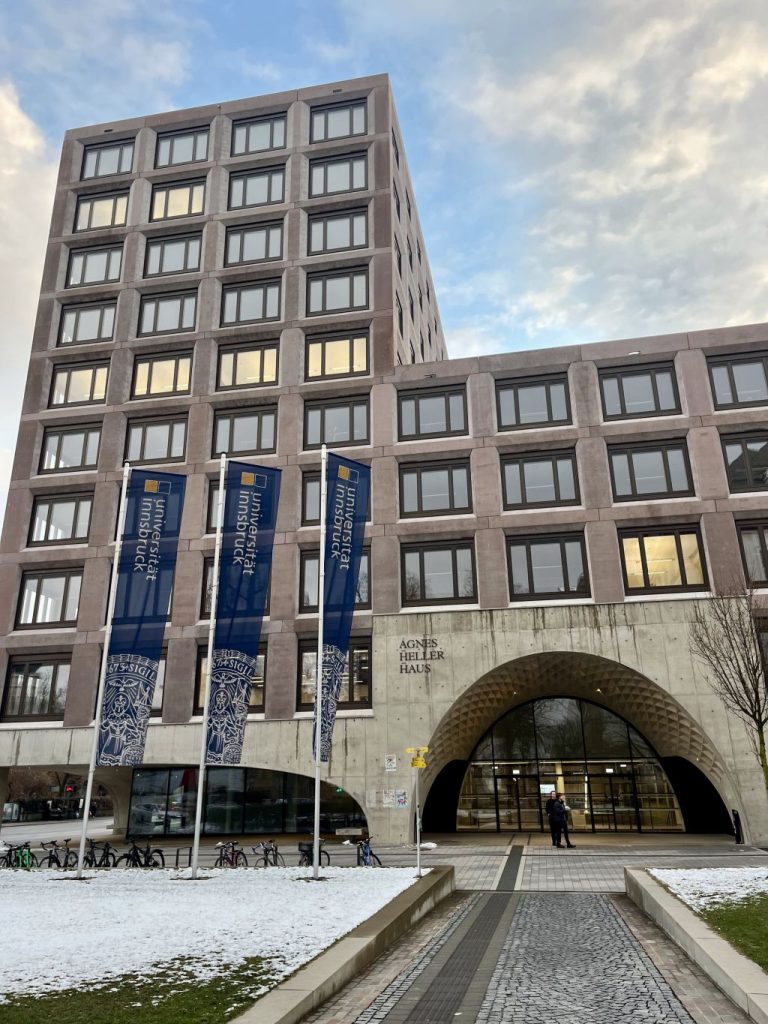
The ESCP Spring Workshop 2026 took place in Innsbruck, Austria, from 19 to 20 February 2026. The workshop was held at the Ágnes-Heller-Haus of the University of Innsbruck under the theme “5 Steps of Medication Safety: Medication Without Harm, Where We Are Now?” The workshop reflected ESCP’s commitment to advancing the World Health Organization’s global initiative on medication safety. Since the landmark 2019 WHO technical report, clinical pharmacists across Europe have been at the forefront of implementing strategies to reduce medication-related harm. As we reach the midpoint towards the WHO’s target of reducing preventable medication-related harm by 50% by 2030, the workshop provided an opportunity to assess progress, share experiences and address ongoing challenges in medication safety.
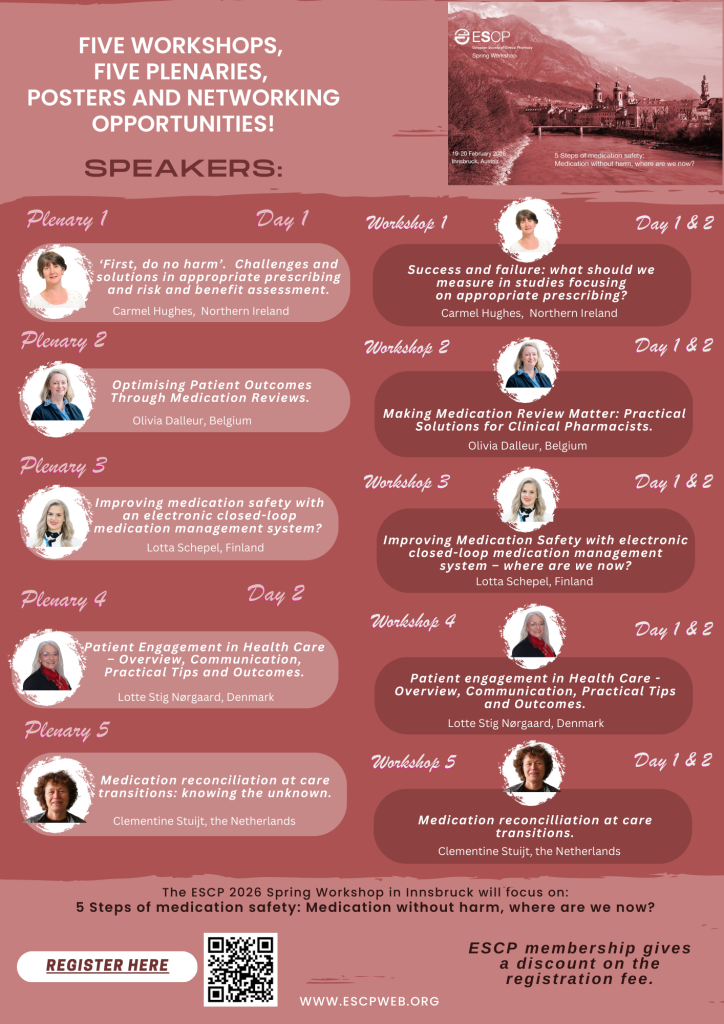
The program focused on medication safety and the ongoing efforts to reduce preventable medication-related harm, and addressed medication safety from several complementary perspectives, including appropriate prescribing, medication review, electronic medication management systems, patient engagement and medication reconciliation during transitions of care.
The ESCP Spring Workshop 2026 was held immediately following the 10th PCNE Working Symposium 2026, which took place in Innsbruck on 17–18 February 2026. A joint networking event brought together participants of both organisations.
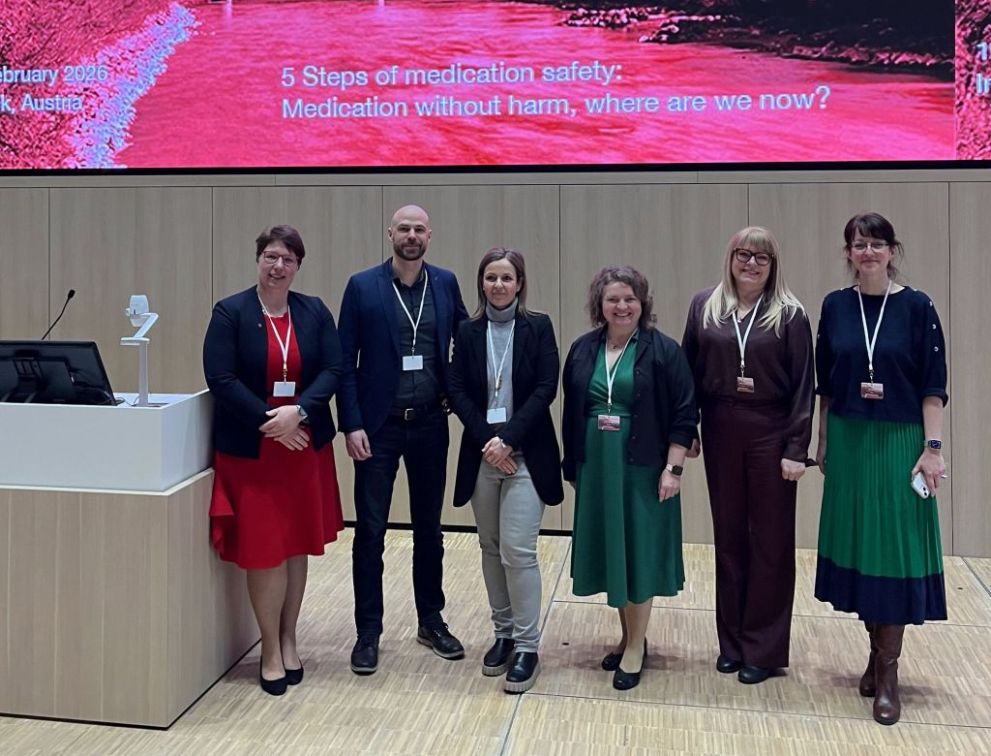
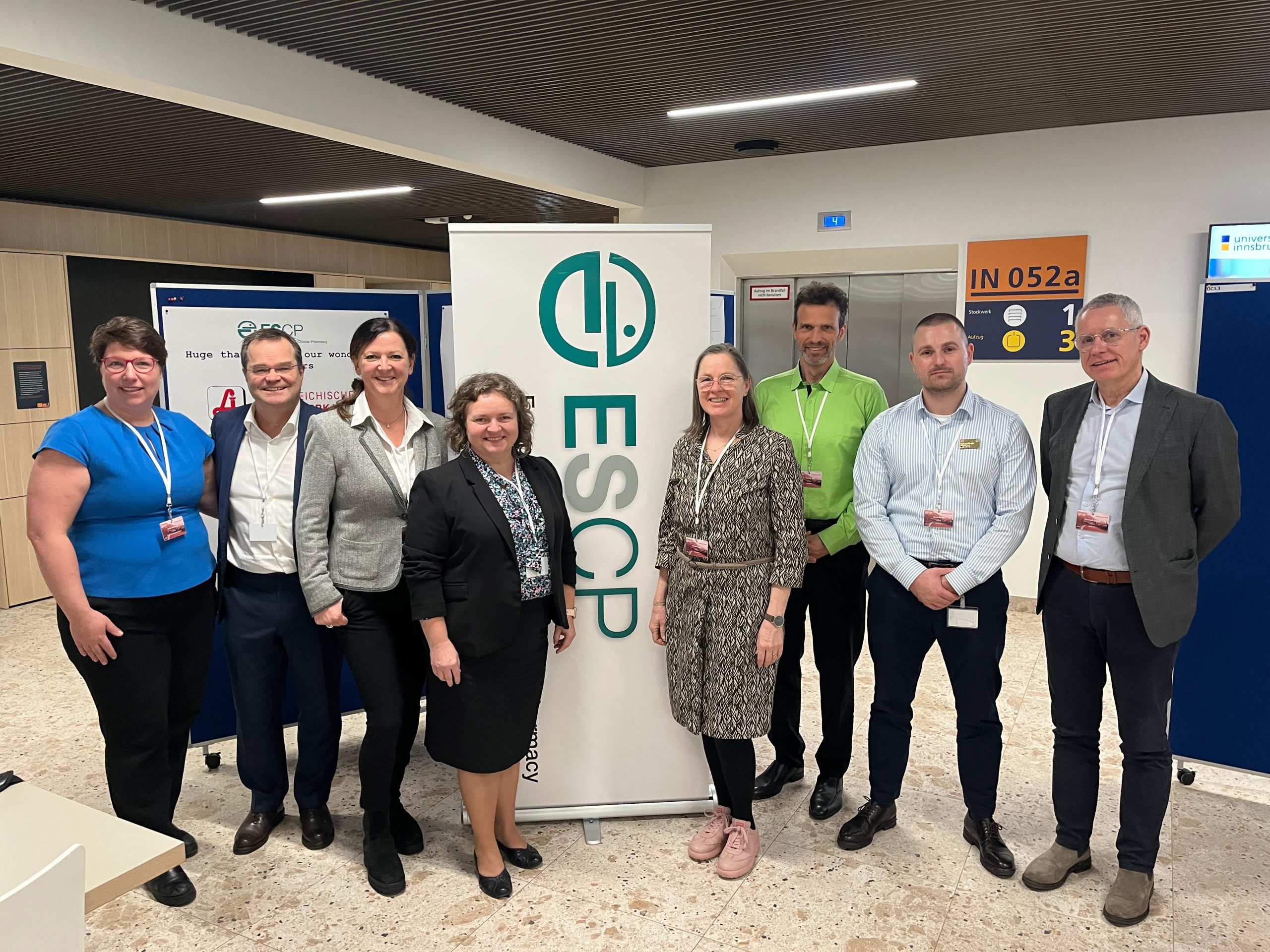
The workshop was officially opened by the ESCP President, Dr. Anna Oleárová, and the Chair of the Organizing and Scientific Committee, Prof. Anita E. Weidmann. The participants were also welcomed by Univ.-Prof. Dr. Hubert Huppertz, the Dean of the Faculty of Health Sciences, University of Innsbruck, Mag. Pharm. Stefanie Lair, Representative of the Apothekerkammer Tirol, Mag. Pharm. Martina Jeske, President of the Austrian Hospital Pharmacy Association, Mag. Pharm. Stefan Deibl, MSc, PhD, Head of Further Education of the Austrain Chamber of Pharmacists, and Dr. Ivana Tadić, Past-President of Pharmaceutical Care Network Europe.
Plenary lectures: from appropriate prescribing to medication safety at transitions of care
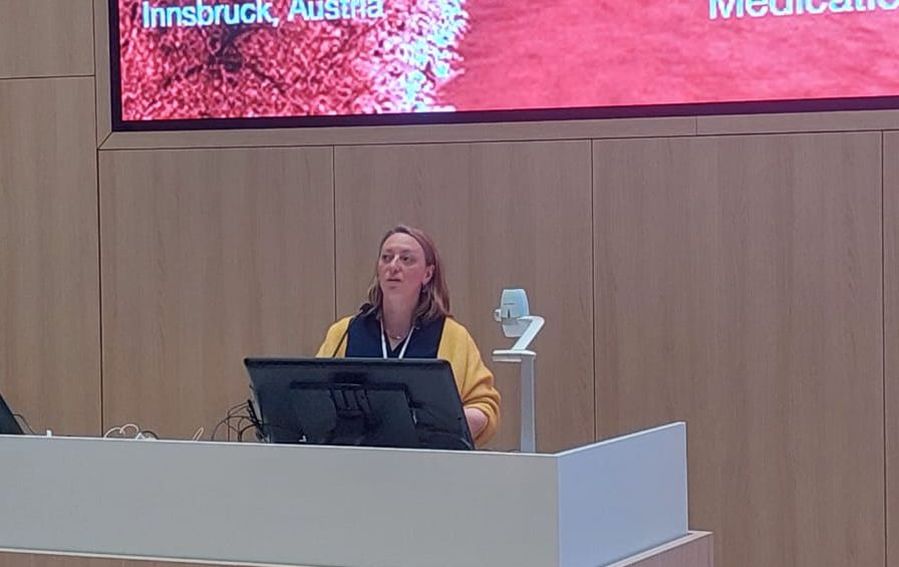
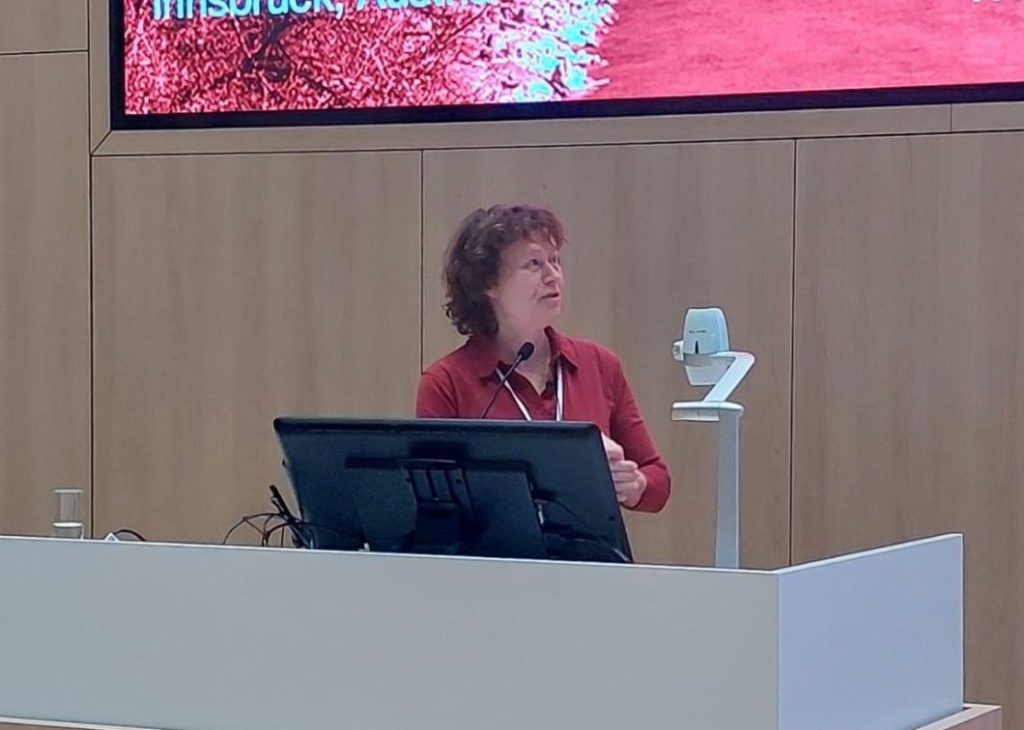
The first plenary lecture, delivered by Prof. Carmel Hughes (Queen’s University Belfast, UK), focused on appropriate prescribing and risk–benefit assessment. The lecture addressed the challenges associated with the increasing use of medicines in ageing populations, multimorbidity and polypharmacy. It also considered the risks of adverse effects and poor adherence, as well as wider public health challenges such as antibiotic overuse and antimicrobial resistance. The presentation explored possible interventions and the importance of selecting appropriate outcomes when assessing the balance between risks and benefits of prescribing.
Prof. Olivia Dalleur (Catholic University of Leuven, Belgium) provided a comprehensive overview of medication review and its role in optimising patient outcomes. Her lecture offered a clear synthesis of the available evidence, explored innovative approaches and critically examined how medication review can move beyond traditional models towards more effective and patient-centred interventions. By bringing together evidence, innovation and different perspectives, the lecture provided valuable insights into the evolving role of medication review in improving medication use and patient outcomes.
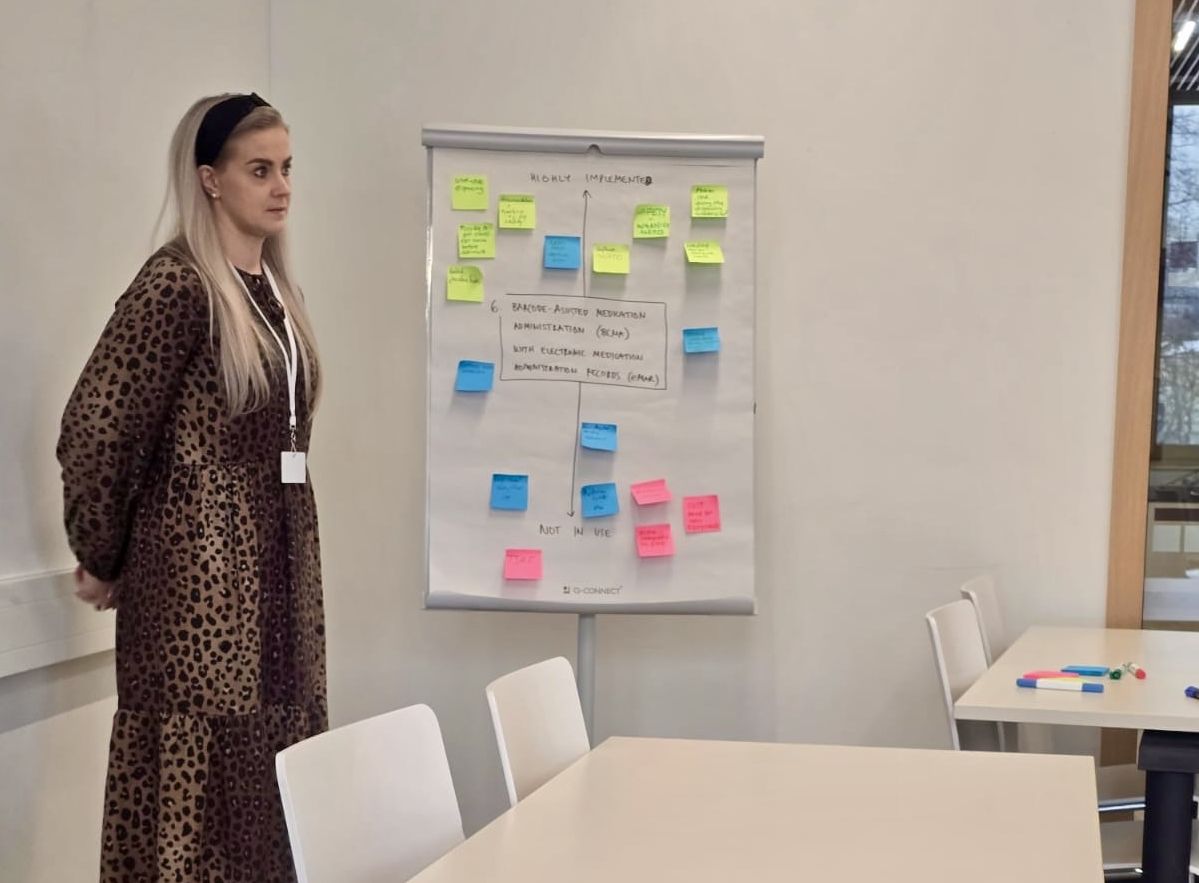
The third plenary lecture, delivered by Assoc. Prof. Lotta Schepel (University of Helsinki, Finland), focused on electronic closed-loop medication management systems. The presentation described how electronic systems can reduce manual and error-prone processes in medication management. Closed-loop medication management may include electronic prescribing, pharmacy verification, smart infusion pumps, automated dispensing cabinets and barcode-assisted medication administration. The lecture also addressed the challenges associated with the implementation of new technologies, including their impact on workflows, patient safety and resource management, using the experience of Helsinki University Hospital as an example.
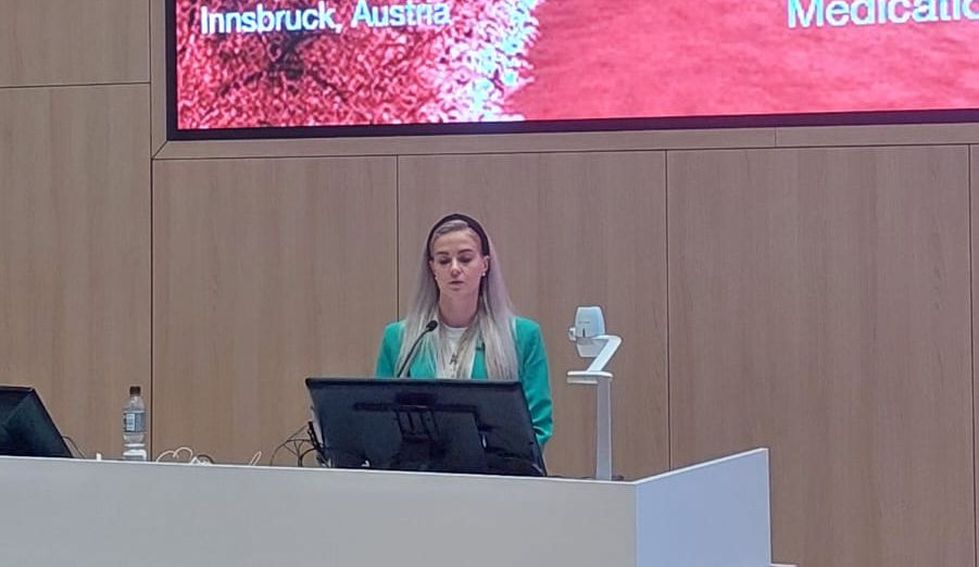
Prof. Lotte Stig Nørgaard (University of Copenhagen, Denmark) focused on patient engagement in healthcare, communication and practical approaches to patient involvement. The lecture highlighted the importance of communication between healthcare professionals and patients for medication safety and introduced selected models of communication and patient engagement. It also addressed the differences between patients’ and healthcare professionals’ perspectives on medicines and the importance of taking these differences into account when creating medication-safe treatment pathways.
The final plenary lecture was delivered by Dr. Clementine C.M. Stuijt (Centre of Excellence in Parkinson’s disease Groningen, the Netherlands and focused on medication reconciliation during care transitions. Transitions between home, hospital, outpatient care and primary care are critical points in the patient journey and may be associated with unintended medication discrepancies. The lecture addressed medication reconciliation as a structured process for ensuring accurate and comprehensive transfer of medication information between healthcare settings. It also considered the role of pharmacist-led medication reconciliation, medication optimisation, collaboration with other healthcare professionals and patient education in reducing medication errors and preventable adverse drug events.
Workshops: practical approaches to medication safety
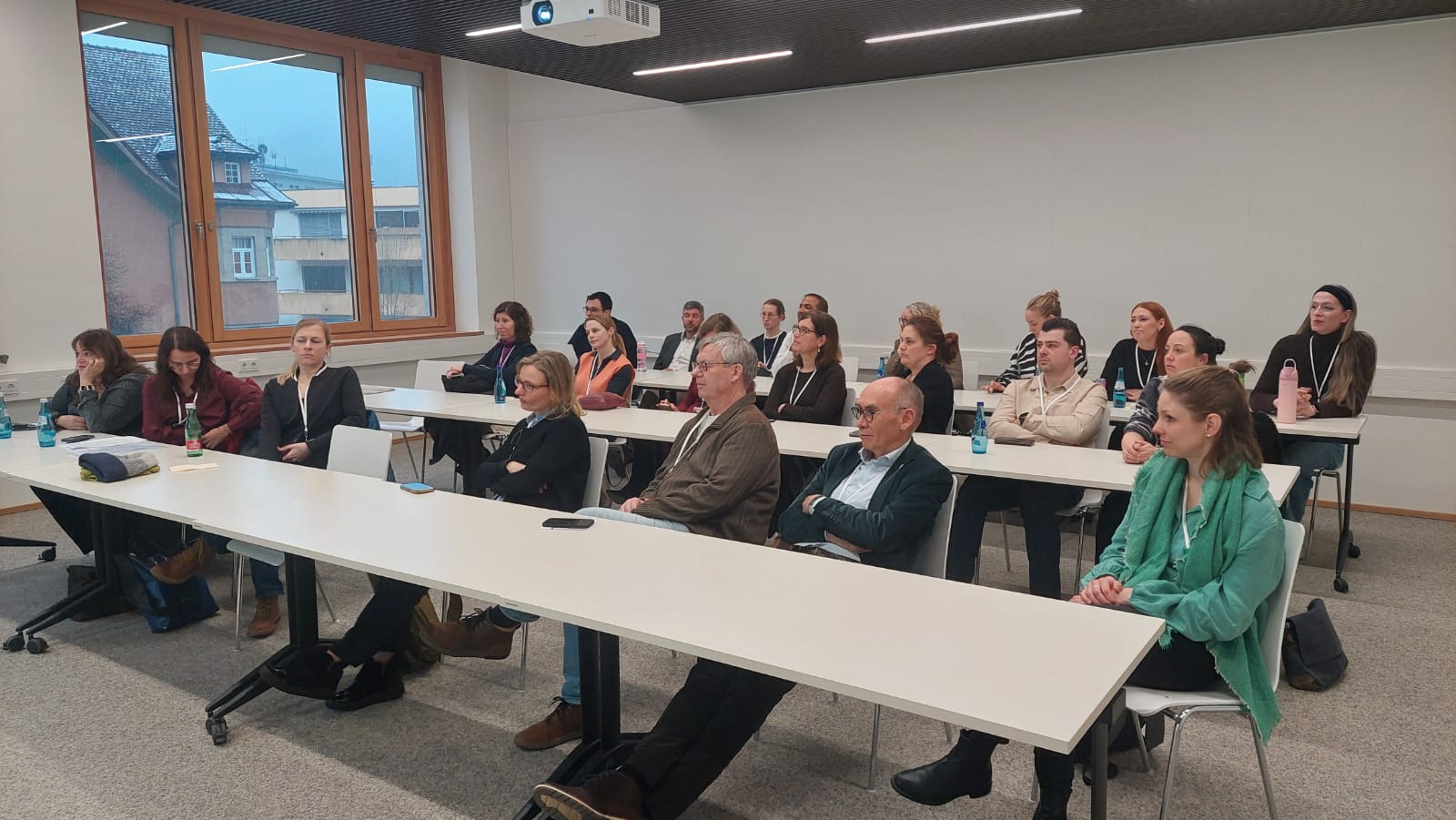
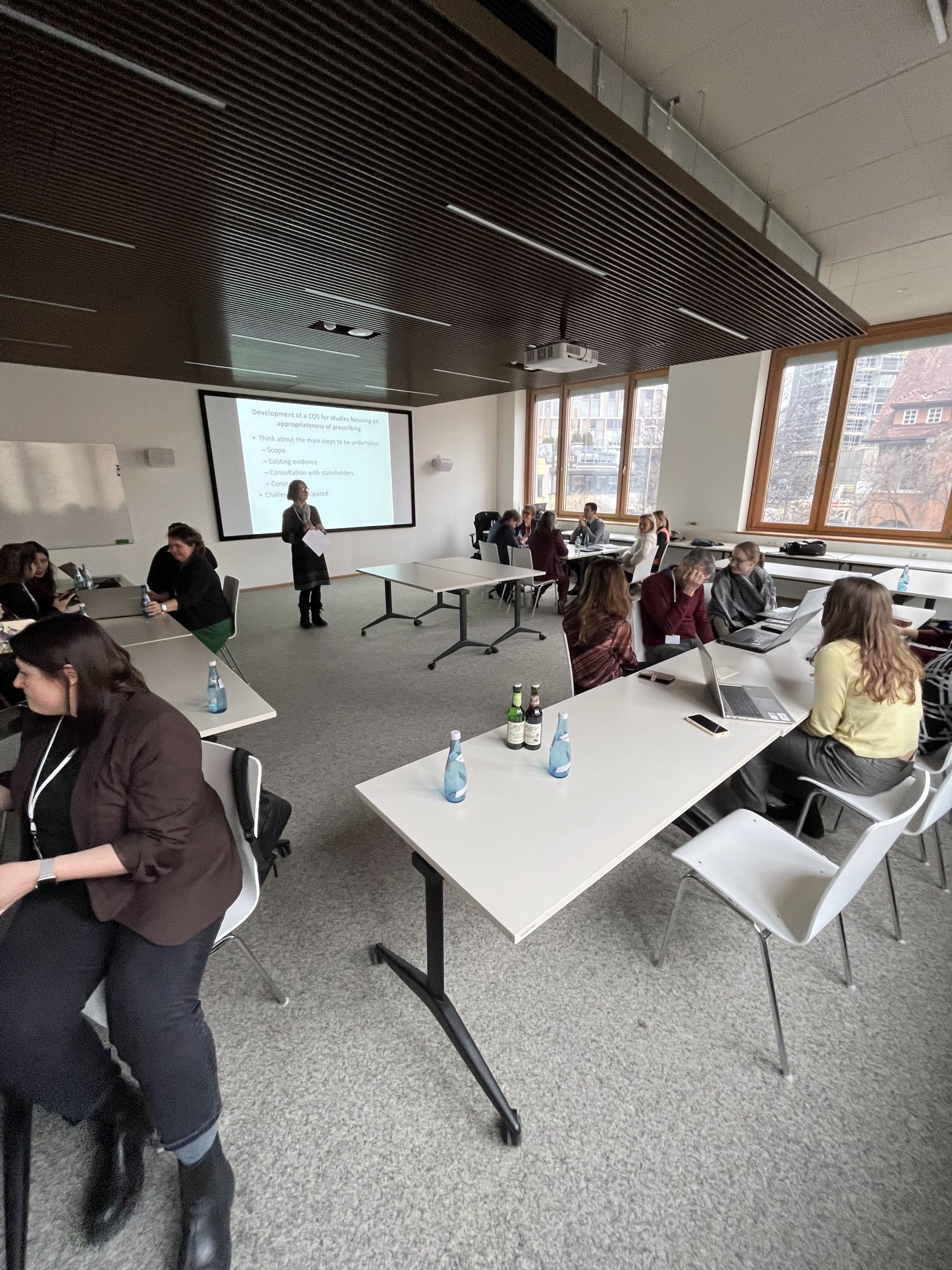
Five interactive workshops formed an important part of the program. Each workshop was delivered in two parts and repeated on both days, allowing participants to select different topics during the two-day program.
The workshop “Success and failure: what should we measure in studies focusing on appropriate prescribing?”, moderated by Prof. Carmel Hughes, focused on the selection of outcomes and the use of core outcome sets in studies of appropriate prescribing.
“Making Medication Review Matter: Practical Solutions for Clinical Pharmacists”, moderated by Prof. Olivia Dalleur, addressed practical approaches to structuring medication reviews, prioritising interventions, using decision-support tools and integrating patient perspectives.
Assoc. Prof. Lotta Schepel’s workshop, “Improving Medication Safety with electronic closed-loop medication management system – where are we now?”, examined the implementation of closed-loop electronic medication management systems and the factors that facilitate or hinder their implementation.
The workshop “Patient Engagement in Health Care – Overview, Communication, Practical Tips and Outcomes”, led by Prof. Lotte Stig Nørgaard, focused on communication, patient engagement and inclusion in medication safety, with participants sharing experiences and discussing challenges and good practices.
Finally, Dr. Clementine Stuijt led “Medication Reconciliation and beyond in Persons with Parkinson’s disease”, focusing on medication reconciliation and medication review in people living with Parkinson’s disease, as well as the identification of medication-related problems and opportunities for intervention.
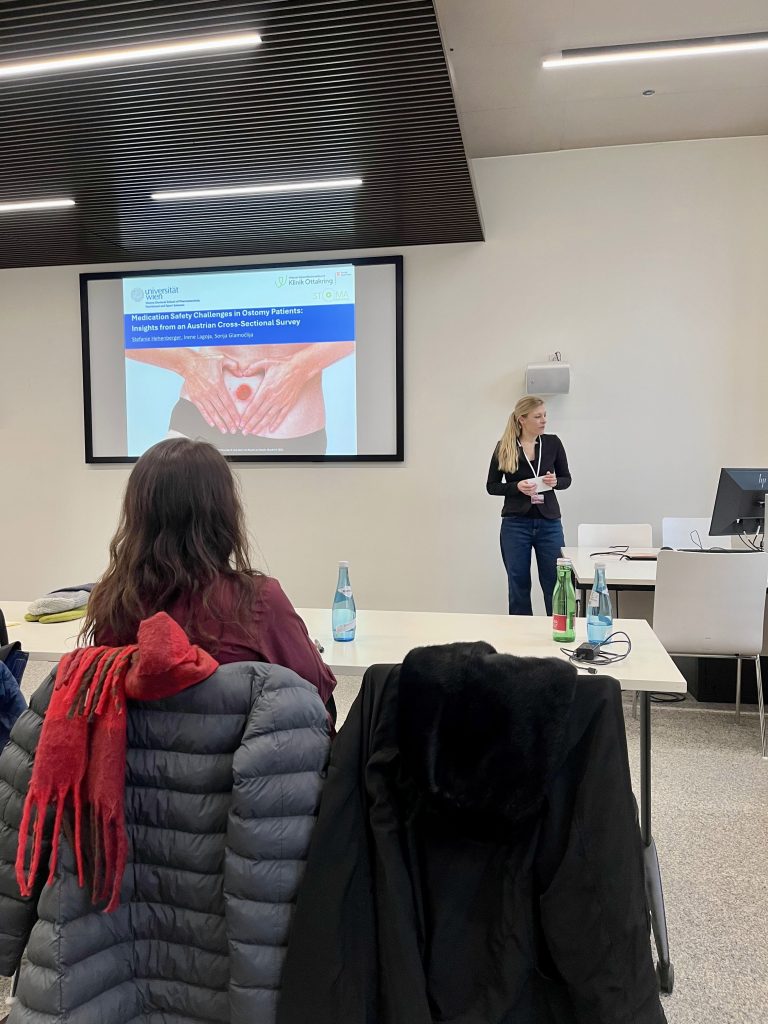
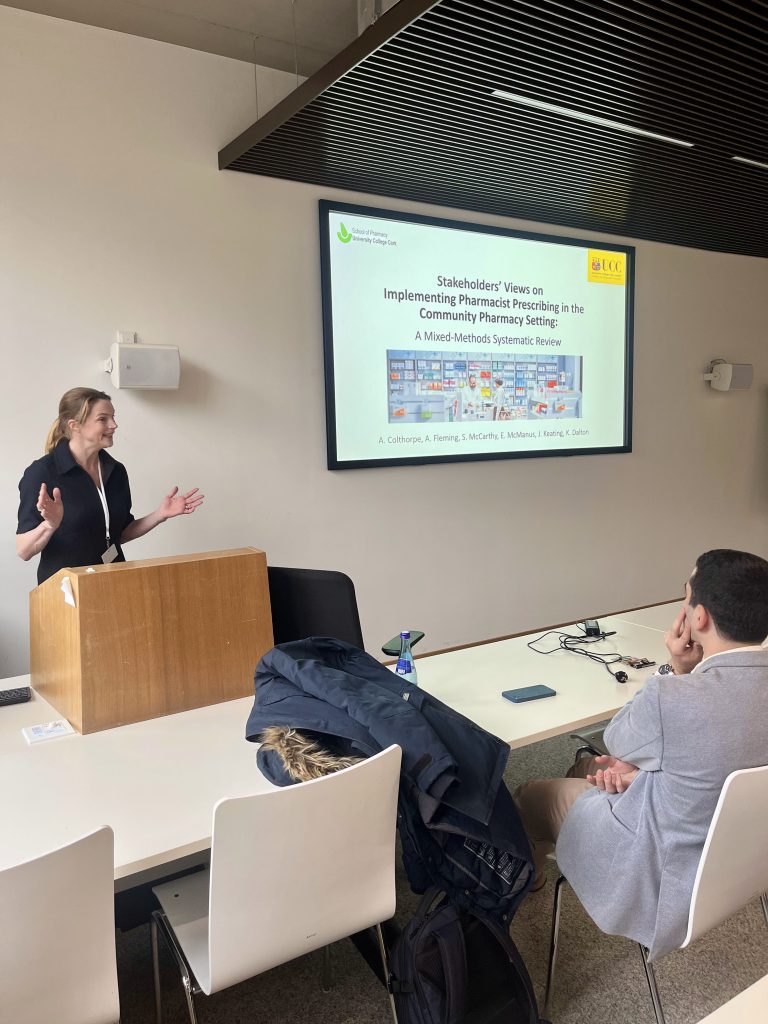
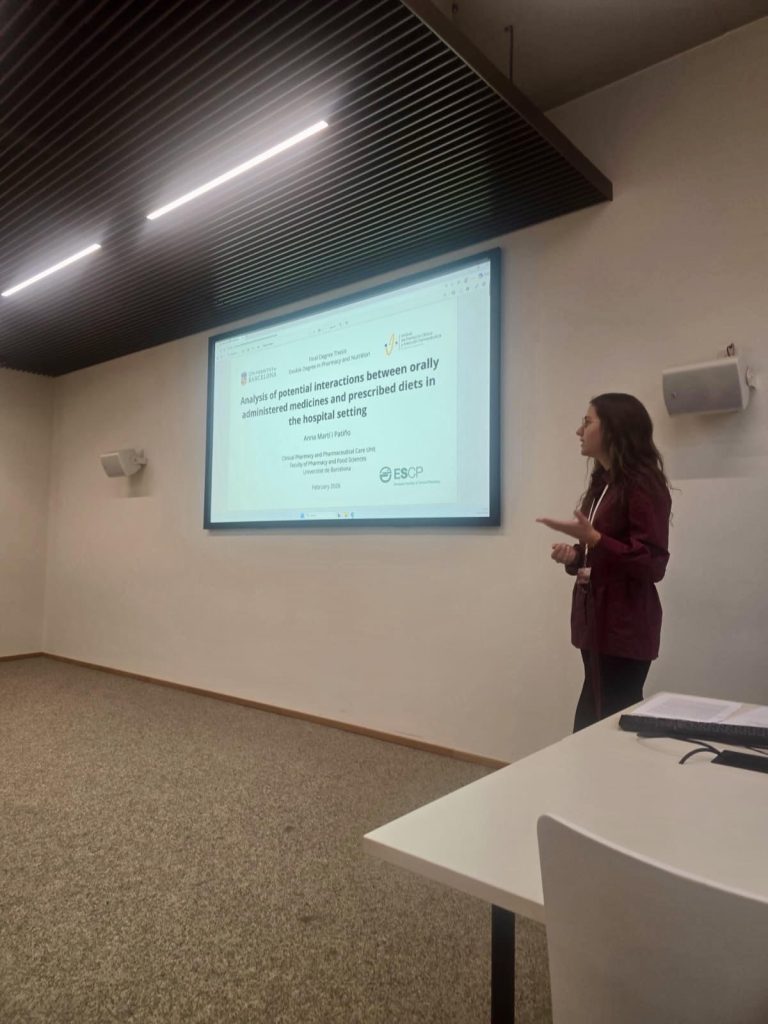
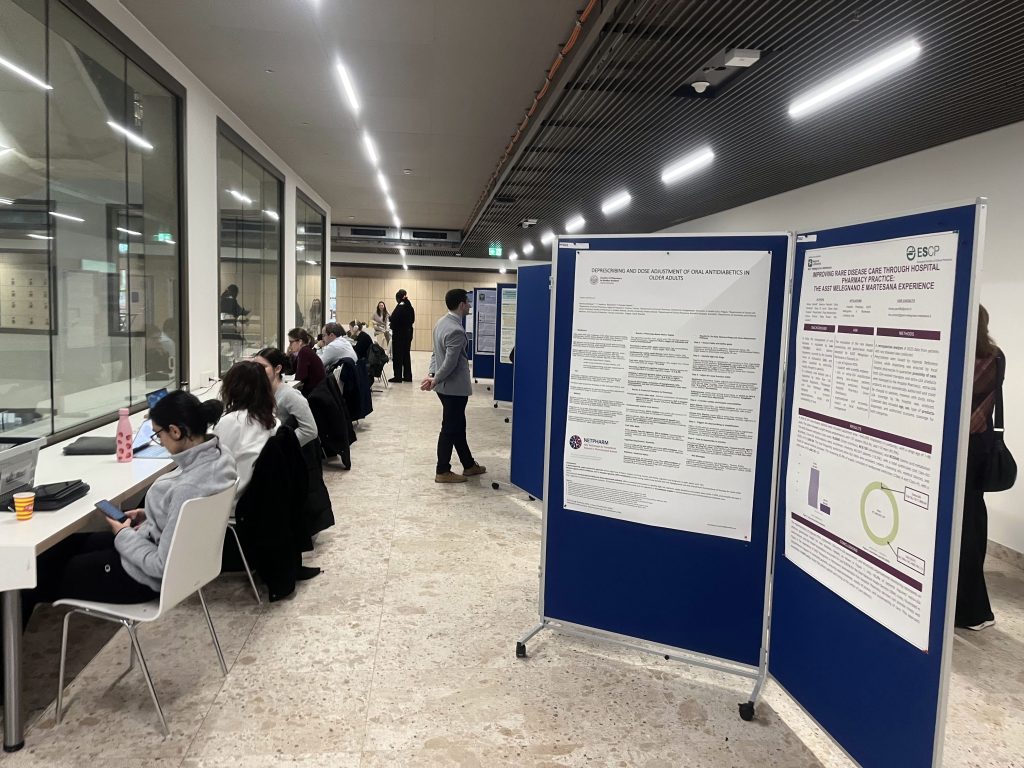
The scientific program also included oral communications and poster presentations covering a broad range of topics in medication safety and clinical pharmacy practice. The presentations addressed medication use and safety in different patient populations and clinical settings, antimicrobial stewardship, medication adherence, drug–food interactions, pharmacist-led interventions and clinical pharmacy services. The poster presentations further reflected the breadth of current research and practice in clinical pharmacy, covering topics including medication safety, pharmaceutical care, antimicrobial therapy, oncology and the implementation of clinical pharmacy services.
Additional Program Highlights
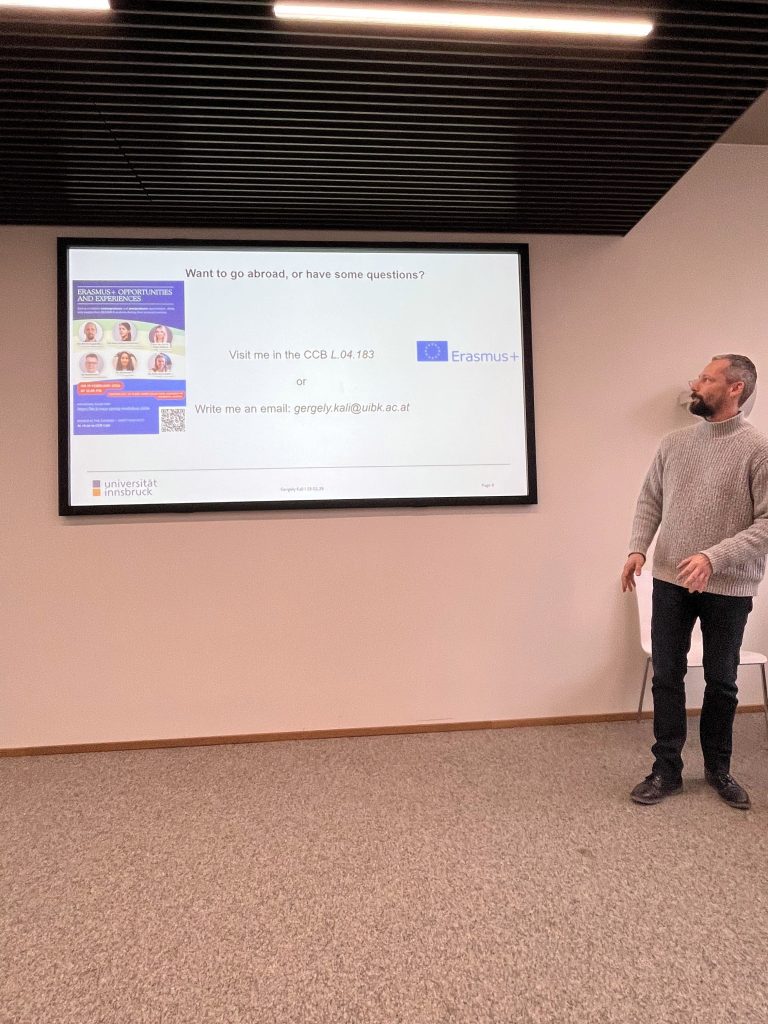
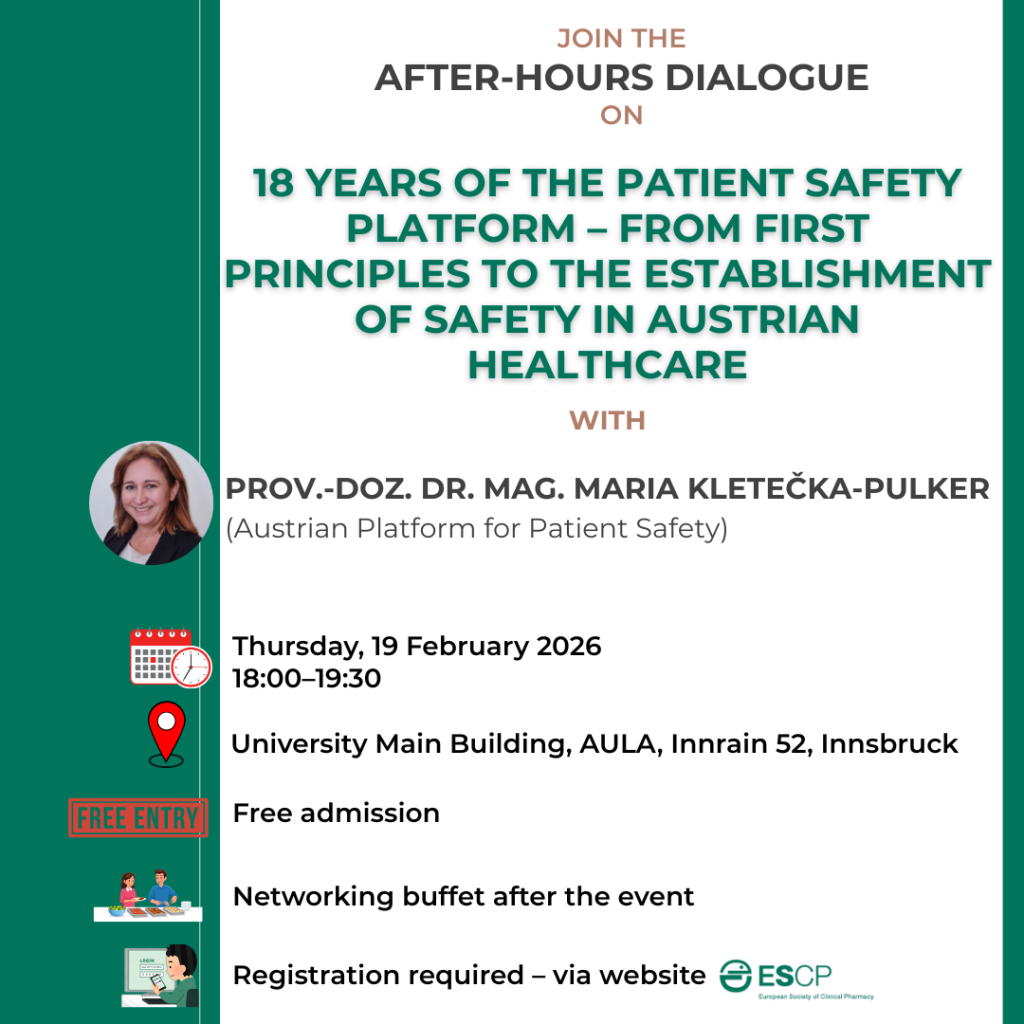
The program was enriched by an After-hours Dialogue on Medication Safety, delivered by Dr. Irena Mechtler of the Austrian Platform for Patient Safety. The scientific program also included a presentation by Prof. Przemysław Kardas on the findings of the Europe-wide DISPOSAL study, Household Pharmaceutical Waste as an Overlooked Source of Medication-Related Harm: Results of a Europe-Wide DISPOSAL Study. A particular highlight was the BAYER-sponsored lecture on Contrast Media Safety Update, delivered by Dr. Thomas Wels, who provided a valuable update on this important aspect of medication safety. The program also included an Erasmus+ lecture for students, during which young colleagues shared their own experiences of Erasmus+ mobility and introduced students to the opportunities available through the program.
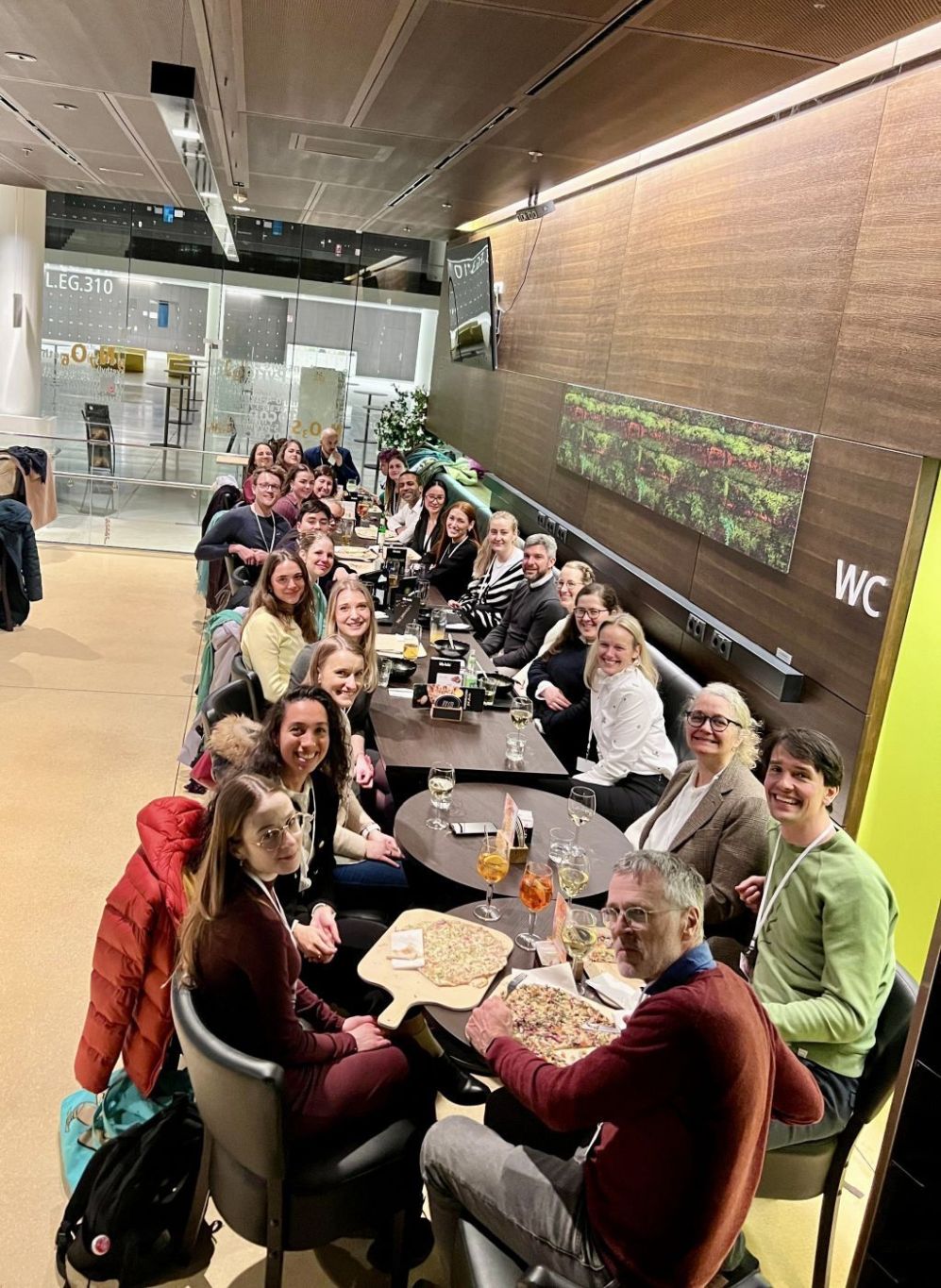
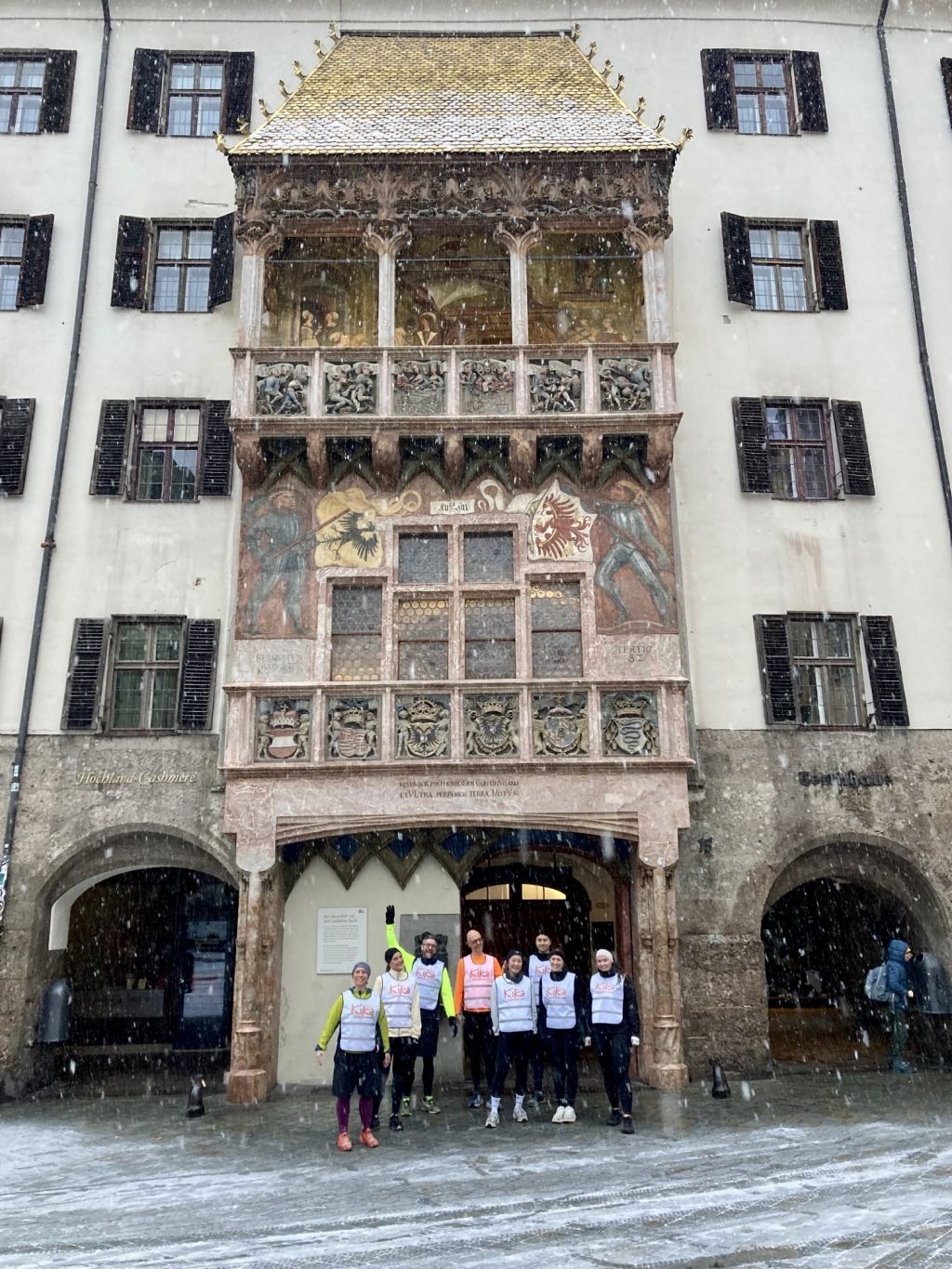
The traditional charity Fun Run was once again organised in support of Children with Cancer. The activity has become a regular part of ESCP workshops and symposia, bringing participants together to support a charitable cause. The YESCP Dinner provided an opportunity for young clinical pharmacists and early-career researchers to meet and connect in an informal setting.
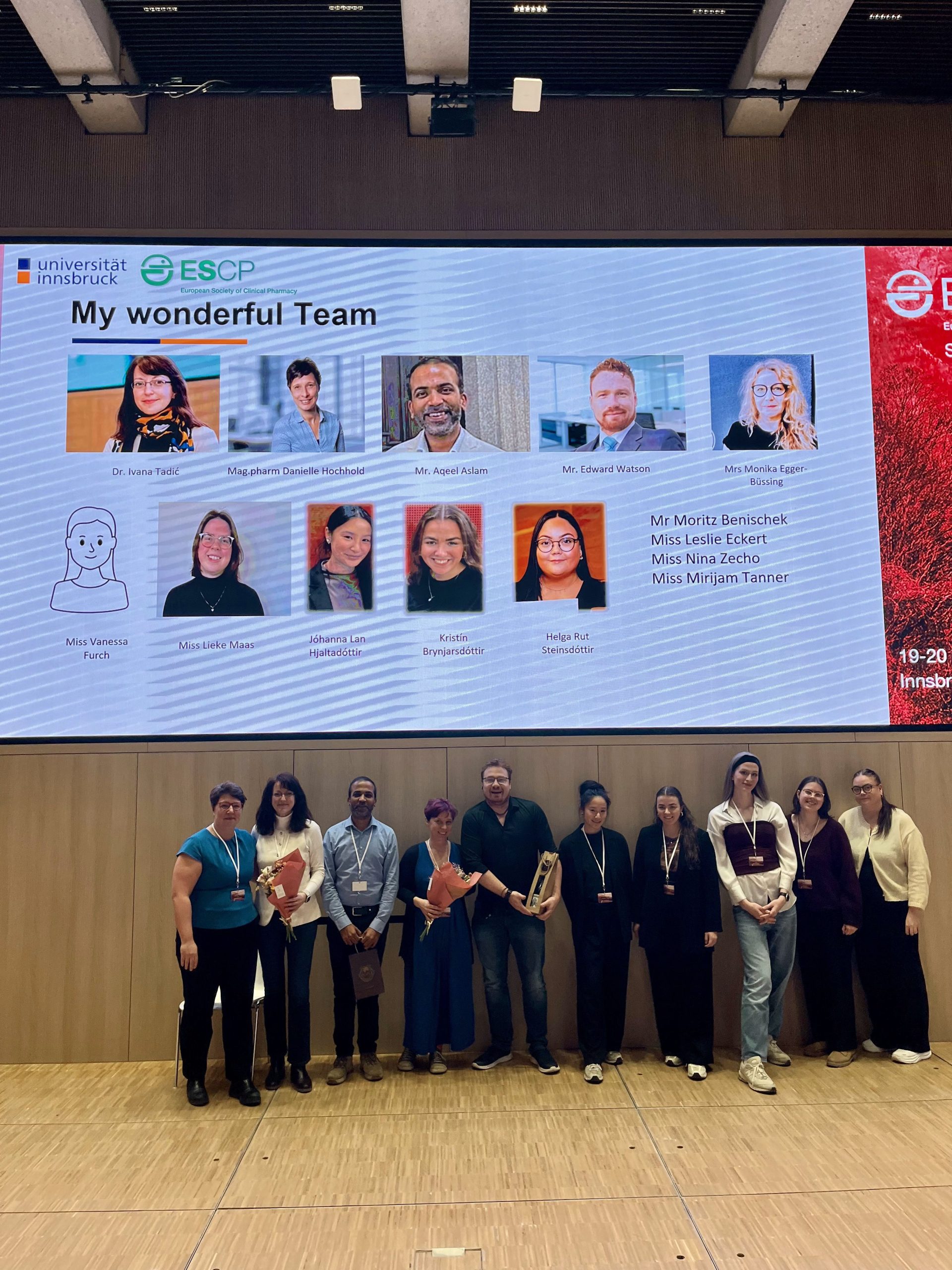
A sincere thank you to everyone who contributed to this successful event – especially Univ.-Prof. Dr. Anita Weidmann and her fantastic team; University of Innsbruck for hosting us; all plenary speakers, workshop moderators, the Scientific and Organising Committees of the symposium, the ESCP International Office, our sponsors: the Austrian Chamber of Pharmacists, AstraZeneca, Bayer, DoseMe, Novartis, and Takeda, as well as all participants for sharing their knowledge, skills, and work through posters, oral communications, and networking.
The ESCP Spring Workshop 2026 provided an opportunity to examine medication safety from multiple perspectives – from appropriate prescribing and medication review to digital medication management, patient engagement and medication reconciliation at care transitions. These topics will continue to be central to the development of clinical pharmacy practice and to the work of clinical pharmacists in improving medication use and patient safety.
The role of clinical pharmacists in navigating these challenges will be further explored at the annual 54th ESCP Autumn Symposium 2026, which will take us to Almada, Portugal and focus on Bridging Gaps: Clinical Pharmacy in the Digital Transition of Care. Don´t miss the early bird registration!
The International Journal of Clinical Pharmacy is inviting submissions to a new Open Access Topical Collection: Strengthening Primary Care Through Integrated Clinical Pharmacy Services: Models, Outcomes, and Implementation.
This Collection highlights research on integrated clinical pharmacy services in primary care — including medication safety, adverse drug events, and effective interprofessional collaboration. We welcome studies that advance understanding of how clinical pharmacy services optimise patient outcomes and support high‑quality primary care.
Guest editors – Zachariah Nazar, Laura Sahm, Tomazo Kallis
Submission deadline: 31 December 2026
Open Access: All articles are freely accessible upon publication.
Publishing with Springer Nature increases visibility and impact — articles in Collections receive, on average, 31% more citations, 30% more downloads, and 63% higher Altmetric scores.
We look forward to your contributions to this important area of research.
The General Committee of ESCP has decided to leave X, the social media platform formerly known as Twitter.
Early 2024 many universities have decided to leave X, citing declining relevance and reduced engagement. We have noted that the number of content moderators has been seriously decreased, leading to an increase in fake news and more hatred inducing posts.
The changes to Platform X—from the algorithmic amplification of right-wing populist content to the restriction of organic reach—make its continued use unacceptable for ESCP. The Society’s withdrawal underscores our commitment to fact-based communication and our opposition to anti-democratic forces. The values that promote diversity, freedom, and science are no longer upheld on the platform.
We want to reaffirm the importance of an open and constructive culture of debate. This decision applies exclusively to our X account and does not affect our communication via other social media channels, of which we will continue to closely monitor the development of the platforms and their algorithms.
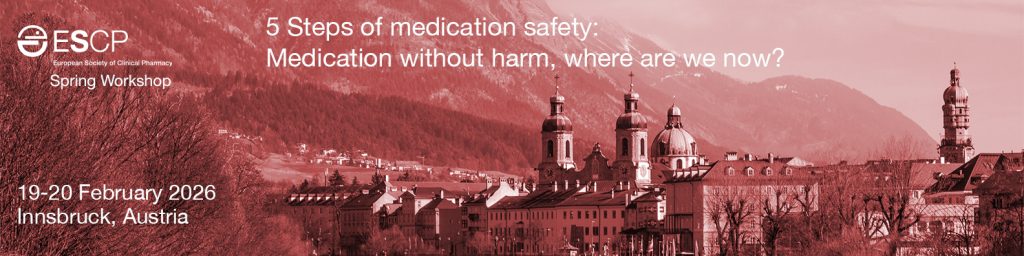
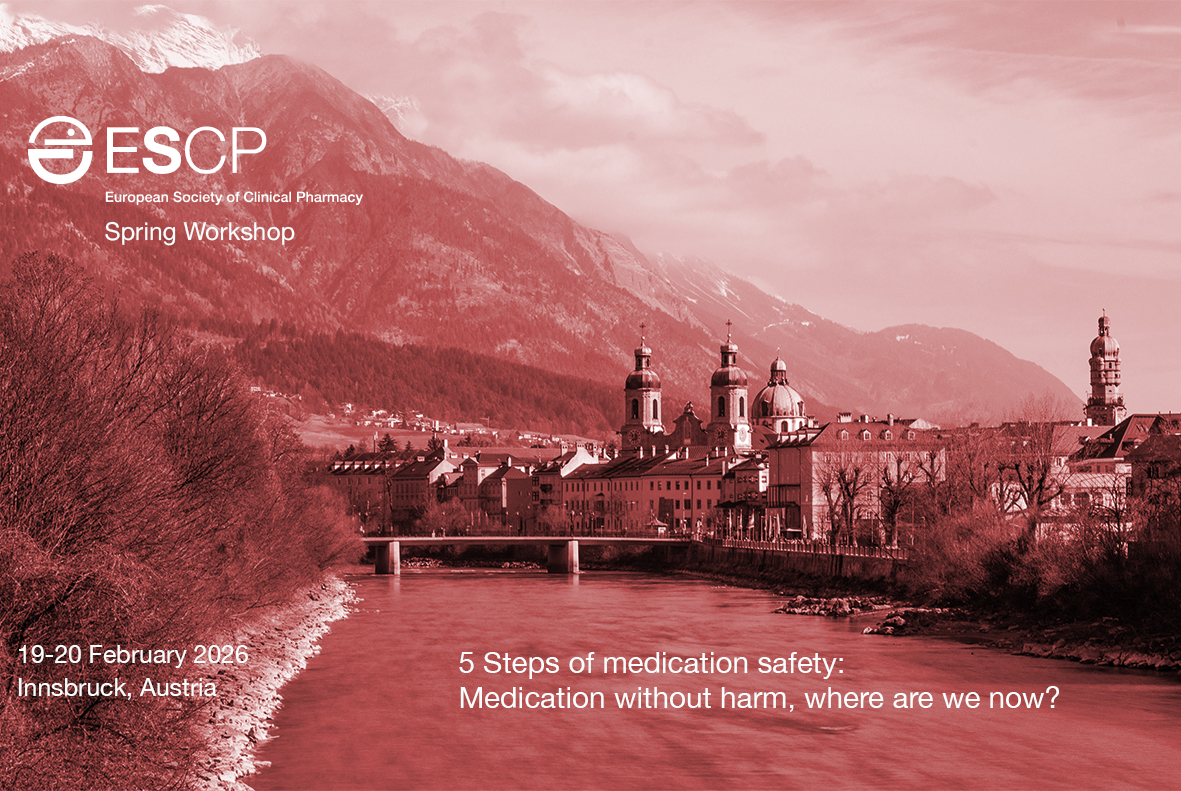
We are proud to invite you to the ESCP Spring Workshop 2026 titled “5 Steps of Medication Safety: Medication Without Harm, Where Are We Now?“, which will take place in Innsbruck, Austria from 19th to 20th February 2023.
We want to reflect our commitment to advancing the WHO’s global initiative on medication safety. Since the landmark 2019 WHO technical report, clinical pharmacists across Europe have been at the forefront of implementing innovative strategies to reduce medication-related harm.
This event will coincide with the 10th PCNE Working Symposium 2026, which will be held in Innsbruck, on 17 and 18 February 2026, just before the ESCP Spring Workshop.
Click here for more practical information and full programme schedule.
ESCP wants your best practice! Deadline for abstract submissions 30 April 2026.
We want your best practice!
The European Society of Clinical Pharmacy (ESCP) and the International Journal of Clinical Pharmacy (IJCP) are continuing the ‘Best Clinical Pharmacy Practice papers’ initiative. We are calling for clinical pharmacy practices and education that describe innovative and sustainable clinical pharmacy practices worth sharing, to be published in the IJCP.
Submissions are welcome from anyone! You don’t need to be an ESCP member or based in Europe!
What is best practice?
Best practices in clinical pharmacy relate to developments in practice and education, which are supported by thorough development and implementation processes along with high quality, robust and rigorous research evidence of evaluation outcomes. These outcomes may include aspects such as acceptability, adoption, (cost-)effectiveness, efficiency, satisfaction, sustainability, etc. Any areas of clinical pharmacy practice and education development in any setting will be considered.
To be considered for publication, the IJCP and ESCP will first select six leading best practice proposals submitted by 30 April 2026. The proposal should be formatted as a 350-word abstract (excluding author details) with the following headings:
Title (give as ‘ESCP Best Practice: [title])
Author detail (names affiliations, email of corresponding author)
Introduction
Aim (of the practice)
Setting
Development (how the practice was developed)
Implementation (how the practice was implemented)
Evaluation (how the practice was evaluated; evaluation findings)
Conclusion
The top six selected proposals will be given the opportunity to be converted into full manuscripts of 3,000 words maximum. Further information on the format of the full manuscript is available by clicking HERE.
Anyone can submit. You don’t need to be an ESCP member or based in Europe!
Publication format
All IJCP papers are now published as fully open access which requires payment of an article professing charge (APC). Fees will be waived for ESCP Best Practice Papers for authors from countries or institutions which do not have OA agreements in place.
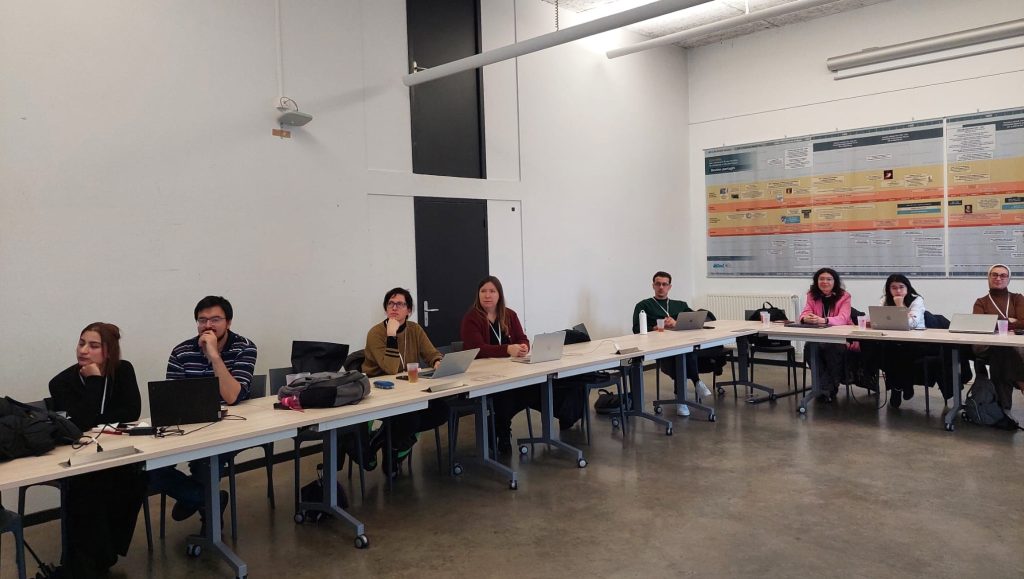
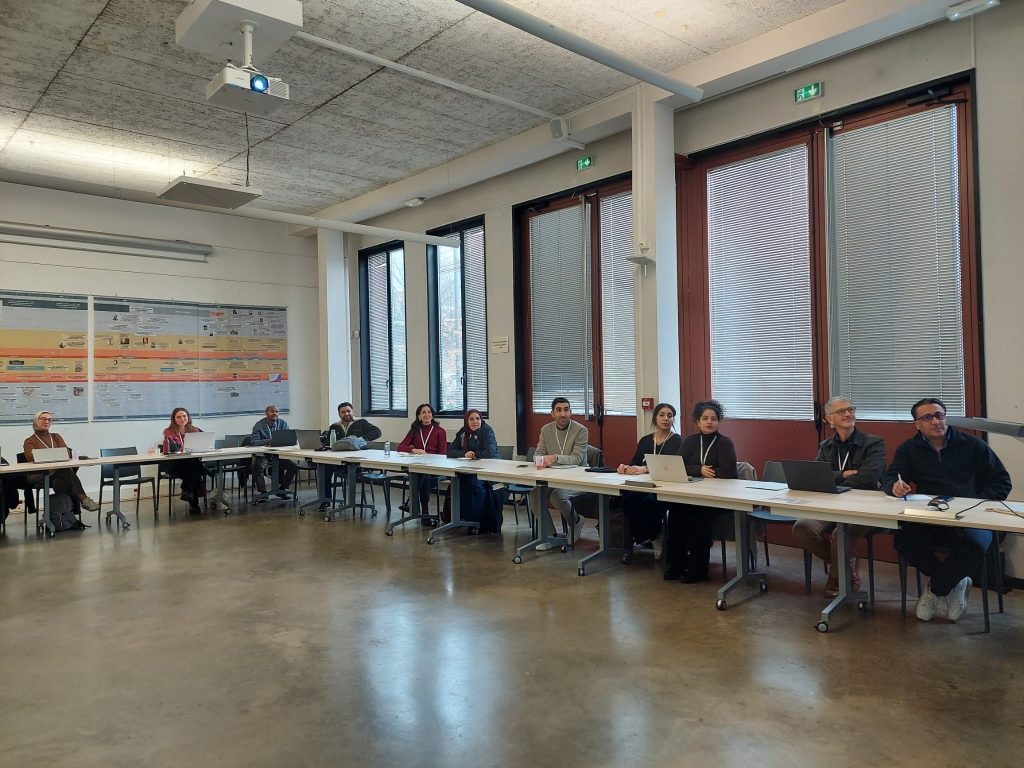
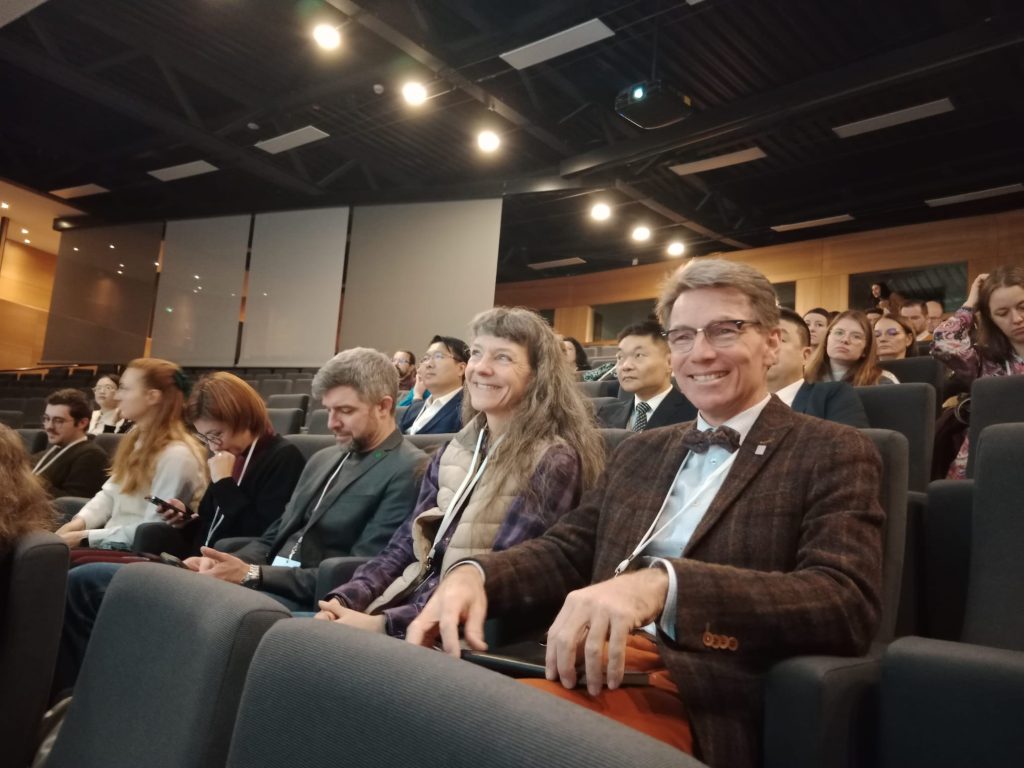
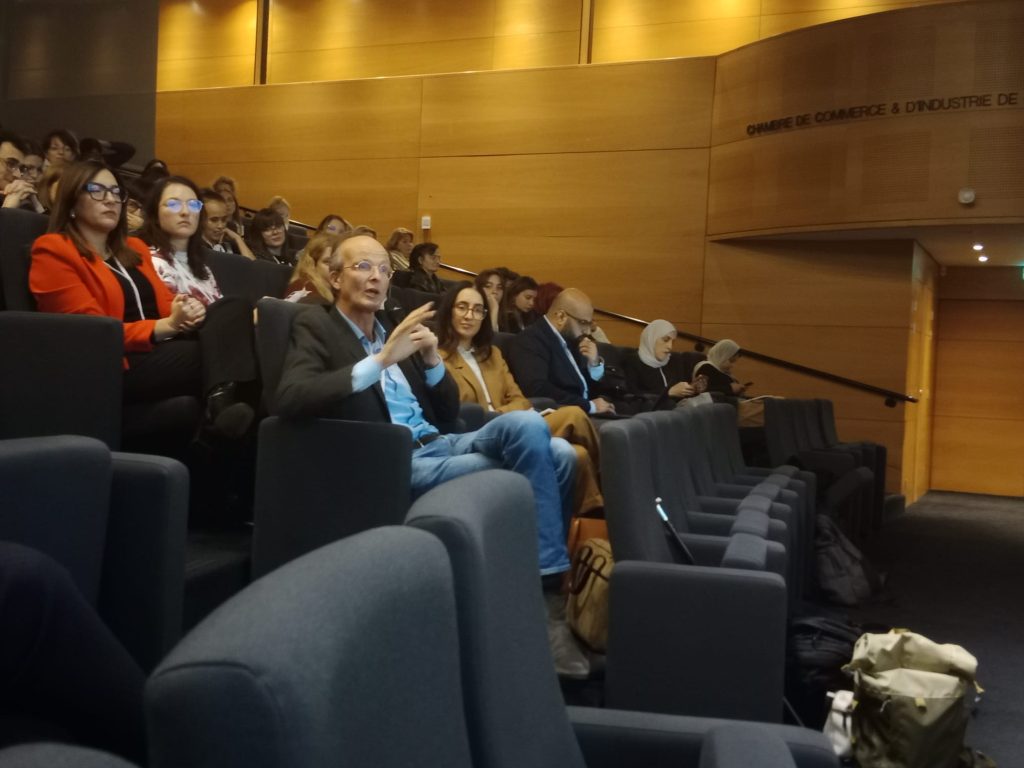
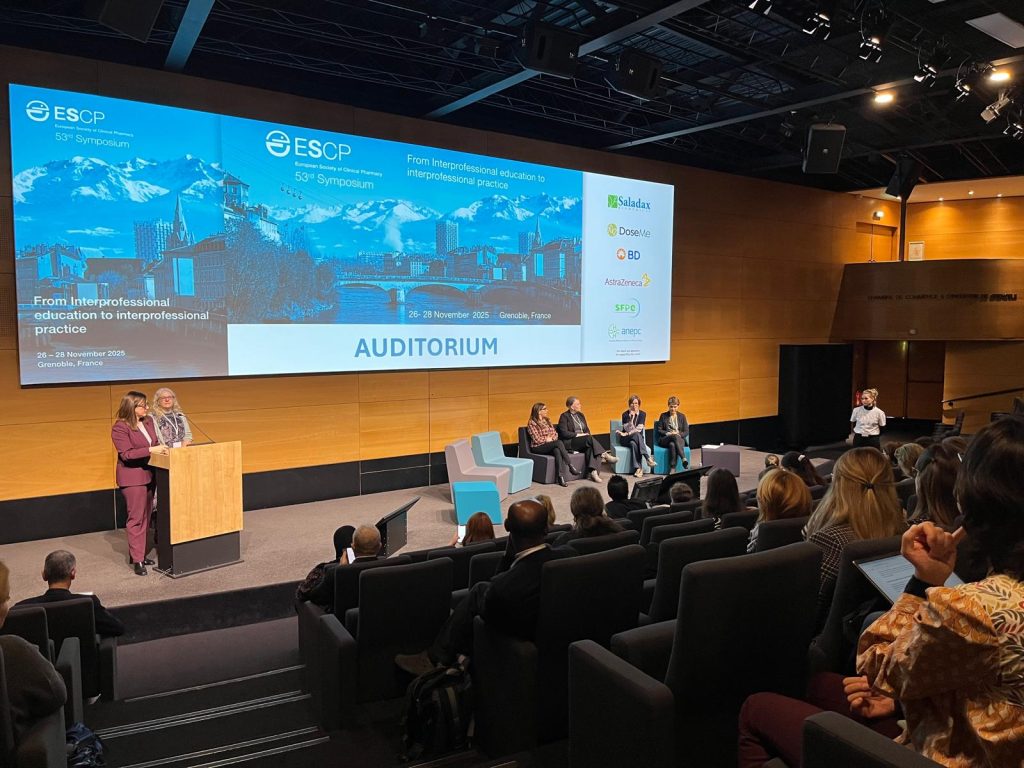
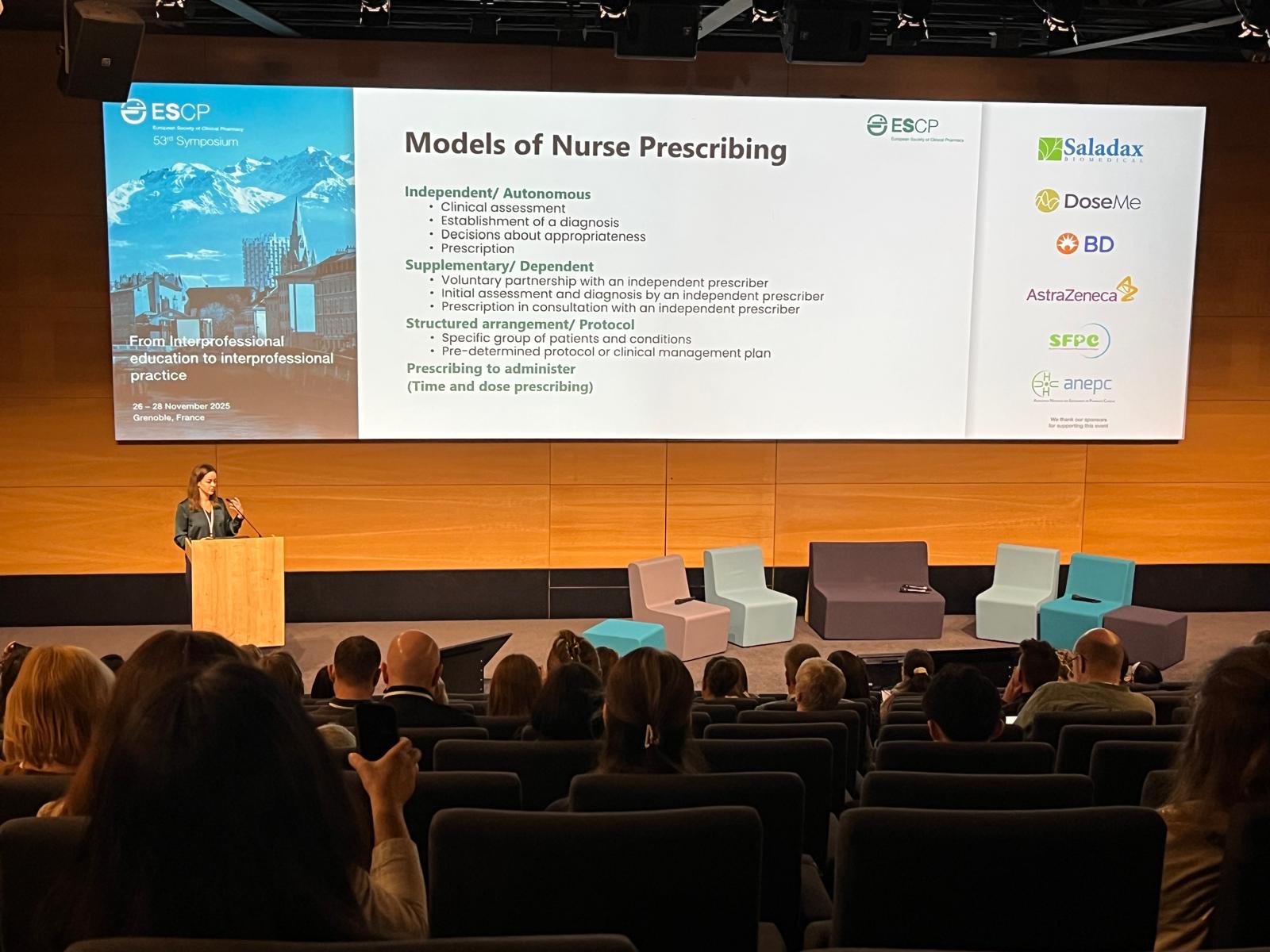
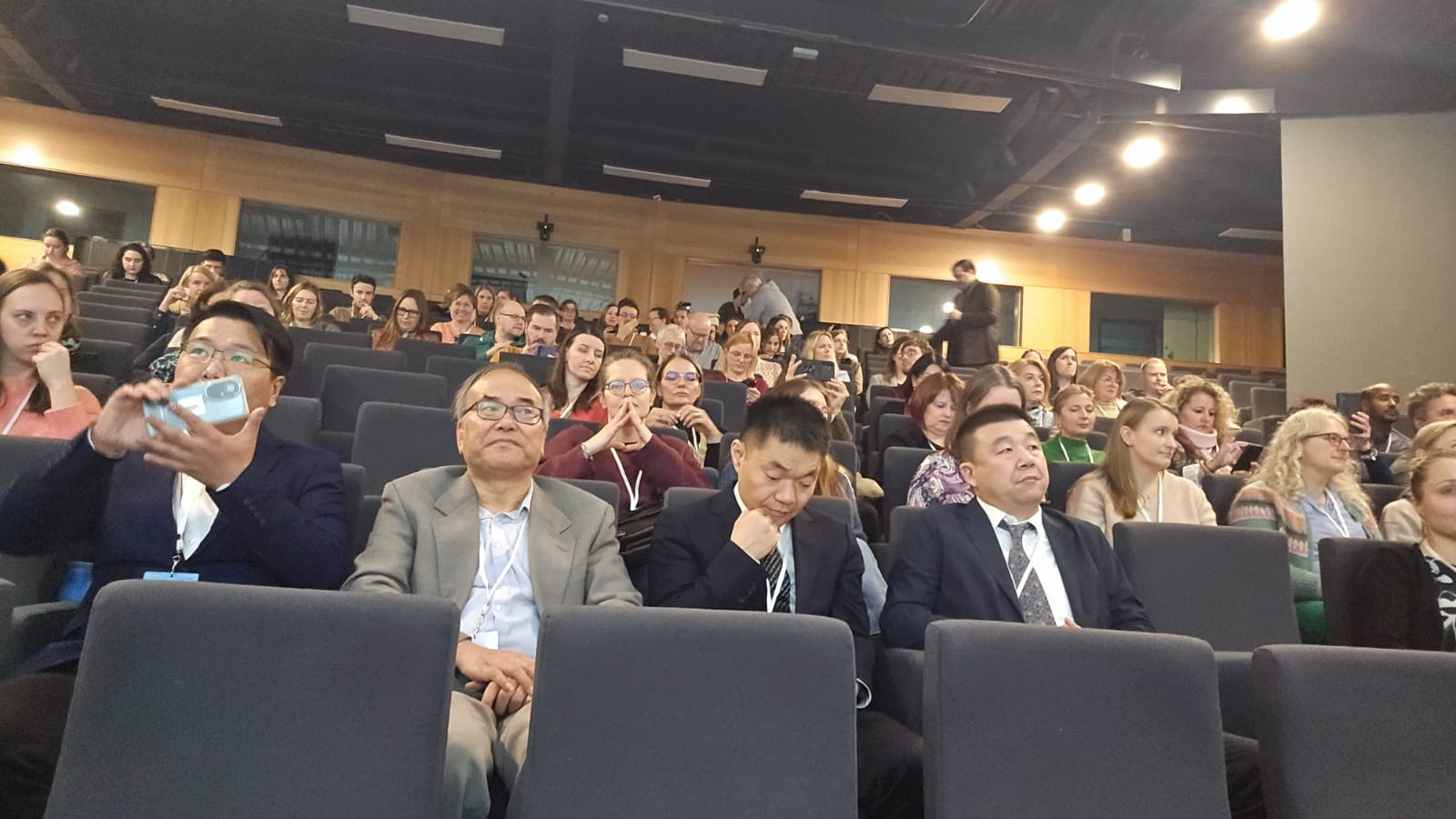
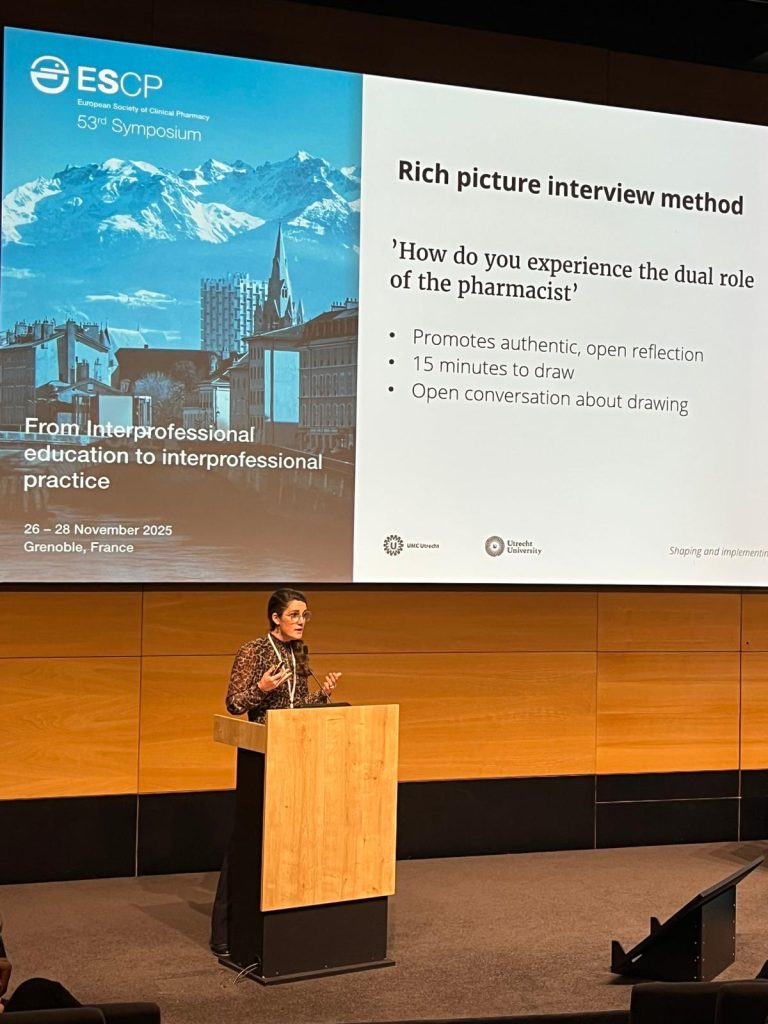
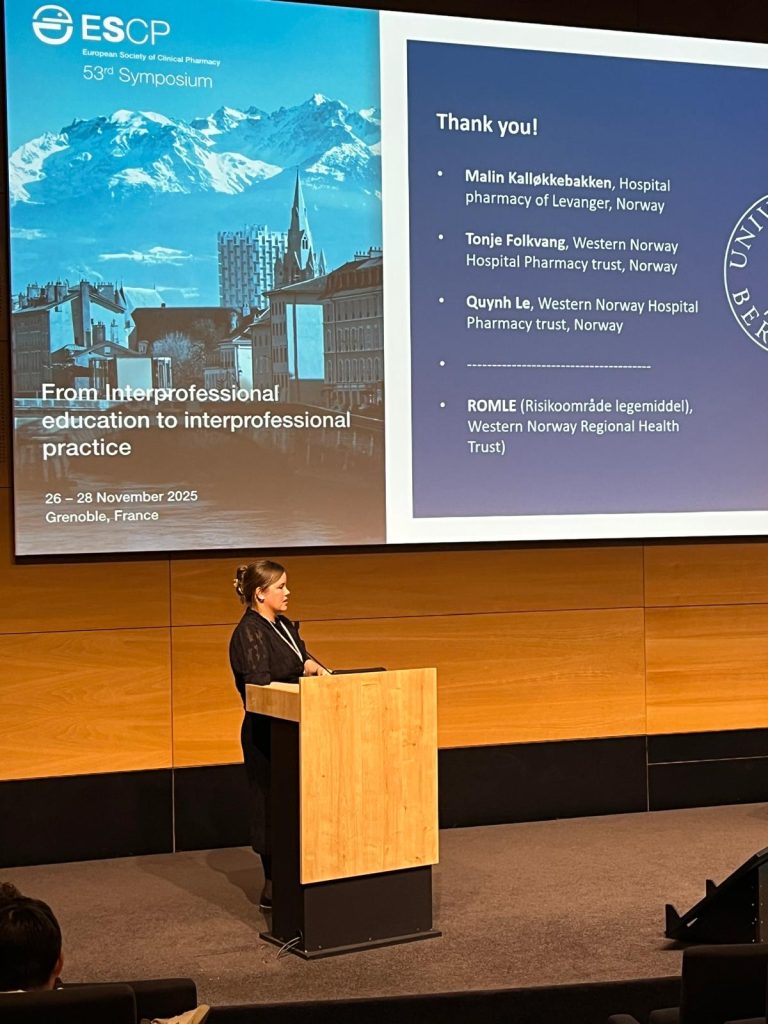
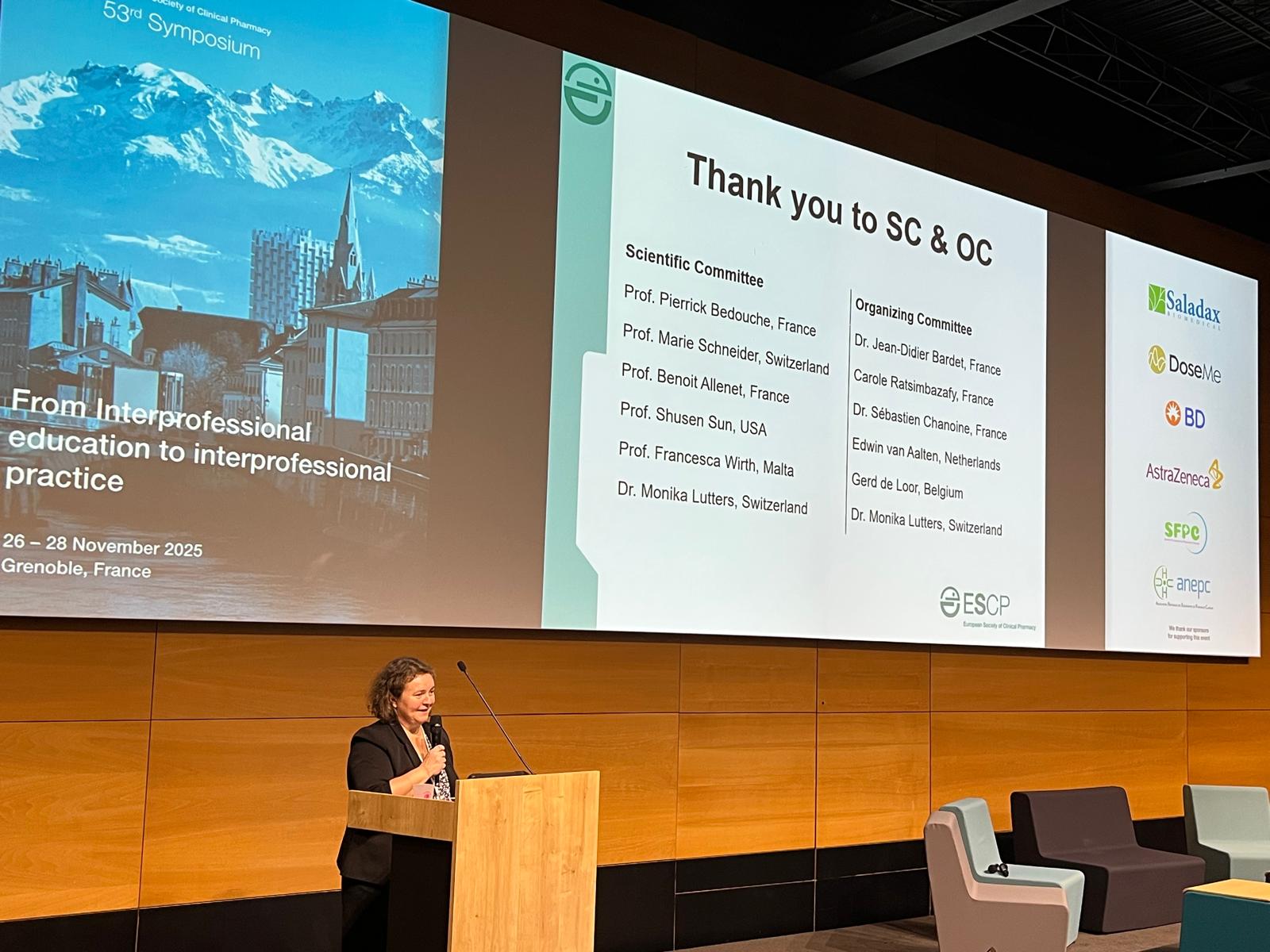
The ESCP 2025 Annual Symposium took place in Grenoble, France, from November 26 to 28, 2025, under the theme “From Interprofessional Education to Interprofessional Practice.” The event brought together over 377 participants from 44 countries across Europe and beyond, fostering the exchange of knowledge, research, and professional networking. The symposium offered a rich programme of plenary lectures, workshops, oral communications, poster presentations, sponsored lectures, and expert discussions reflecting current challenges in healthcare — from active patient involvement and the implementation of innovations into practice, to the use of digital and AI tools in clinical pharmacy.
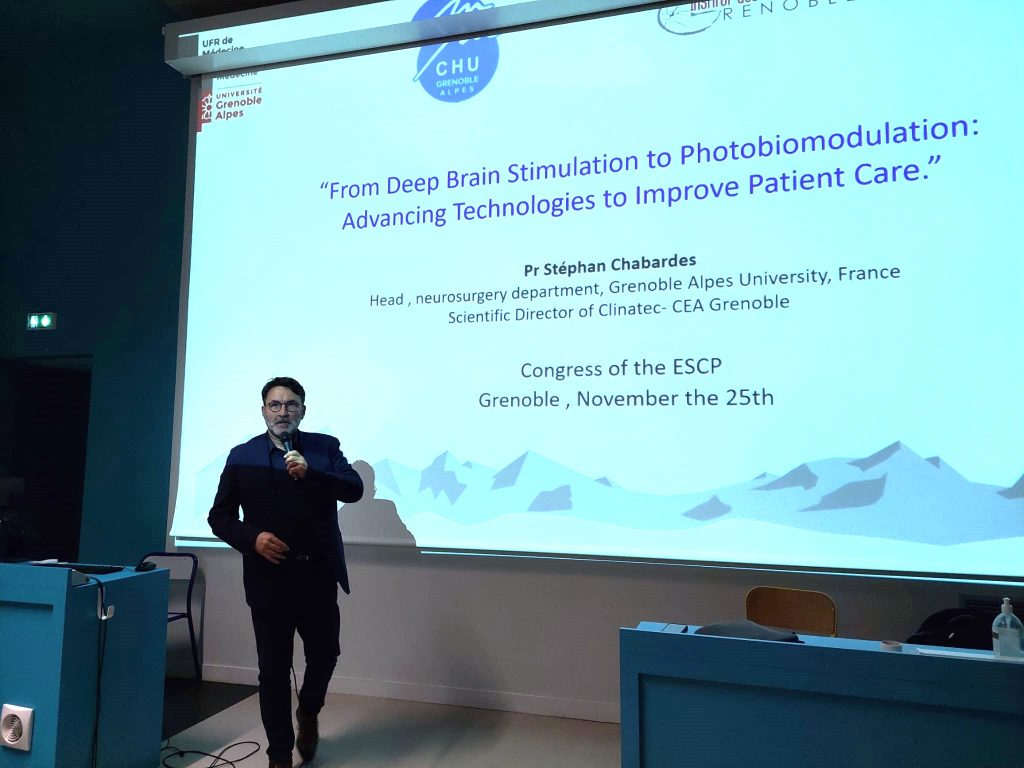
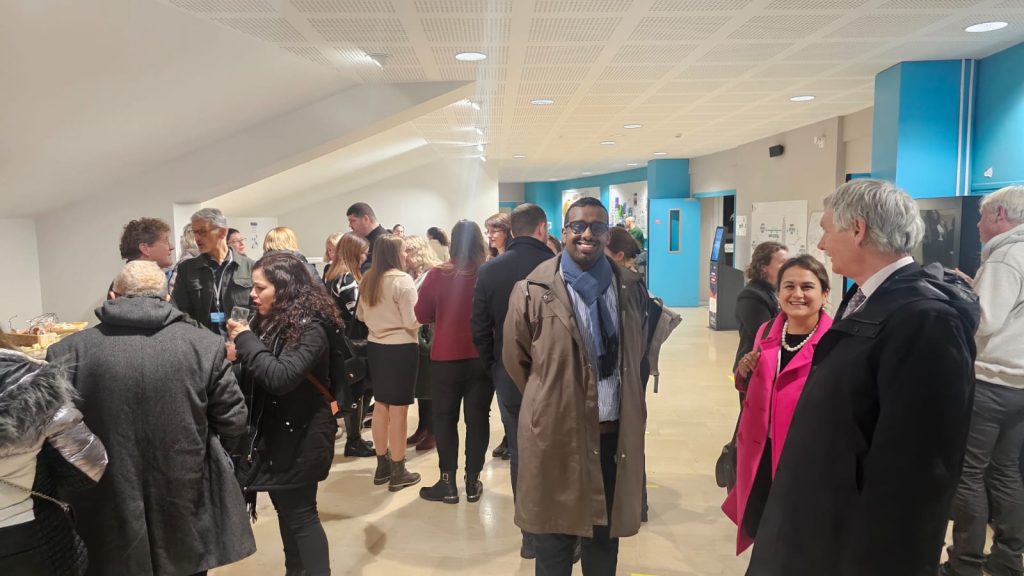
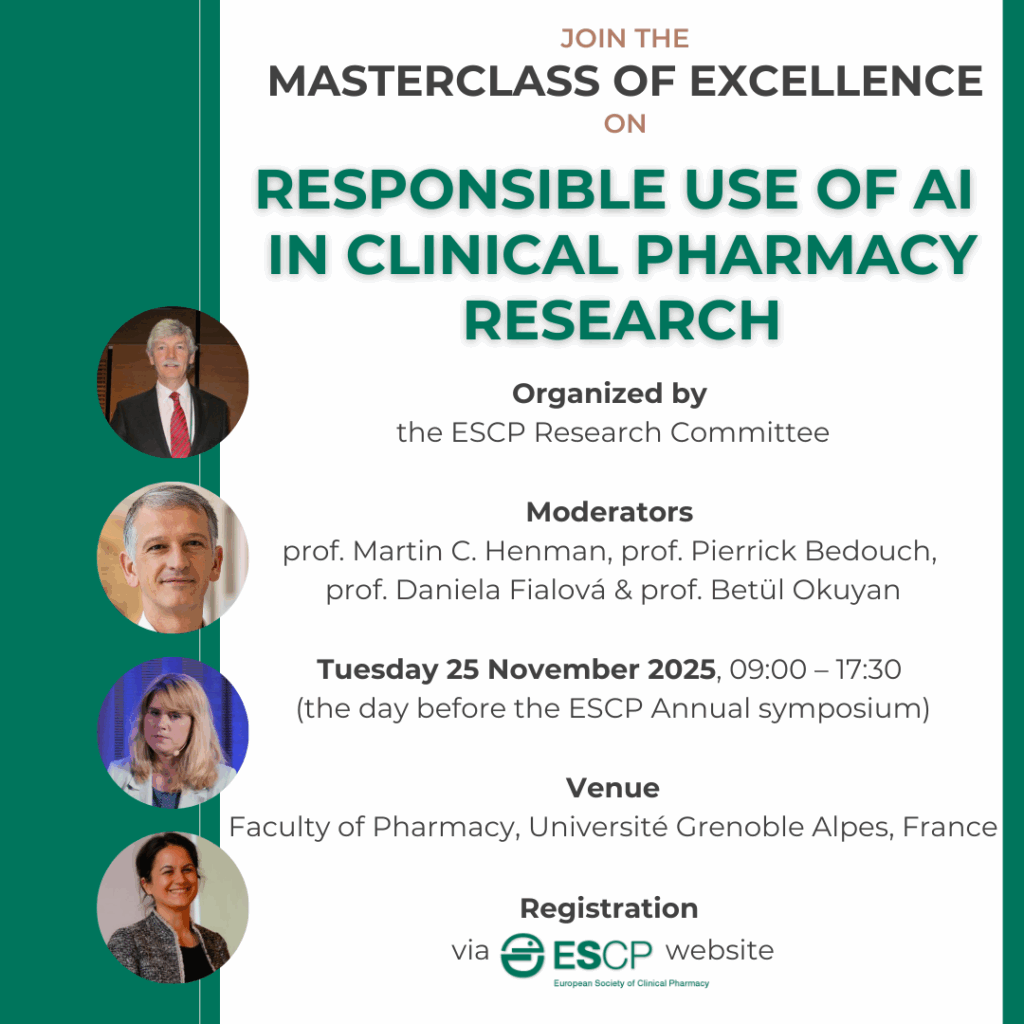
The day before the symposium, a Masterclass of Excellence was held. This was organised by the Research Committee and led by Prof. Martin Henman, Prof. Betul Okuyan, Prof. Pierrick Bedouch, and Assoc. Prof. Daniela Fialová. The masterclass focused on the responsible use of generative AI in clinical pharmacy research. The evening before the symposium featured an opening lecture by Prof. Stéphan Chabardes, Head of the Department of Neurosurgery. He delivered an impressive talk entitled “From Deep Brain Stimulation to Photobiomodulation: Advancing Technologies to Improve Patient Care.” The evening concluded with a welcome reception held at the Faculty of Medicine and Pharmacy.
The symposium was officially opened by Dr. Monika Lutters (President of ESCP), prof. Pierrick Bedouch (Symposium President and Scientific Committee Chair). The participants were also welcomed by the newly elected President of the French Society of Clinical Pharmacy (SFPC), Prof. Lise Bernard.
Plenary lectures: collaboration, the patient, and innovation
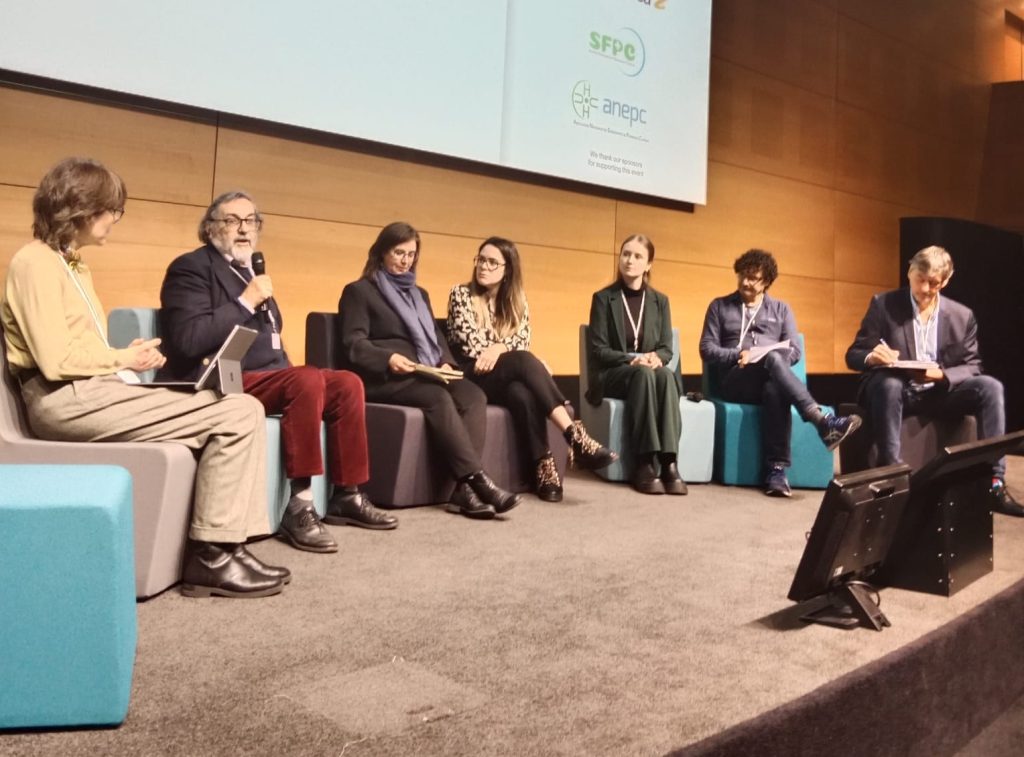
The opening of the symposium focused on the question of what collaboration in healthcare truly means and the role of the patient as a partner within it. The plenary lectures highlighted that interprofessional collaboration is not just an organisational concept, but a culture built on trust, shared responsibility, and collaborative decision-making. Prof. Sophie Lauzier and Dr. Luigi Flora explored patients’ perspectives on collaboration between healthcare professions and demonstrated that involving patients in education, research, and clinical practice leads to more sustainable and meaningful solutions. Round table discussion within the plenary sessions also addressed the issue of limited healthcare personnel resources, showing that team-based care can help mitigate these constraints. The perspectives shared by our panellists were particularly insightful, as they represented viewpoints from clinical pharmacists (Prof. Benoit Allenet, Prof. Marie Schneider, Prof. Sophie Lauzier), physicians (Prof. Michel Burnier), patients (Dr. Luigi Flora), and students (Elisa Vitale and Nina Wissing).
The 2nd day sessions shifted attention to established models of interprofessional care across various settings — from primary care and healthcare centres to long-term care (Prof. Lilian Azzopardi, Dr. Anne Spinewine, MSc. Linda Refors Öfverstedt, Dr. Sophie Logerot). Strong emphasis was placed on medication safety, continuity of care, and clearly defined roles within the healthcare team. Two of the lectures focused on the practice of non-medical prescribing by pharmacists (Assoc. Prof. Matej Štuhec) and nurses (Prof. Tinne Dilles).
The 3rd day plenary blocks offered a forward-looking perspective, highlighting digital solutions, artificial intelligence, simulation models (Prof. Kreshnik Hoti, Dr. Loora Salurand, Dr. Alexandra Dima, and Dr. Christian Skalafouris), and innovative educational tools with the potential to significantly influence both clinical practice and pharmacy education (Prof. Pascal Bonnabry, Assoc. Prof. Abdikarim Abdi, and Prof. Shusen Sun).
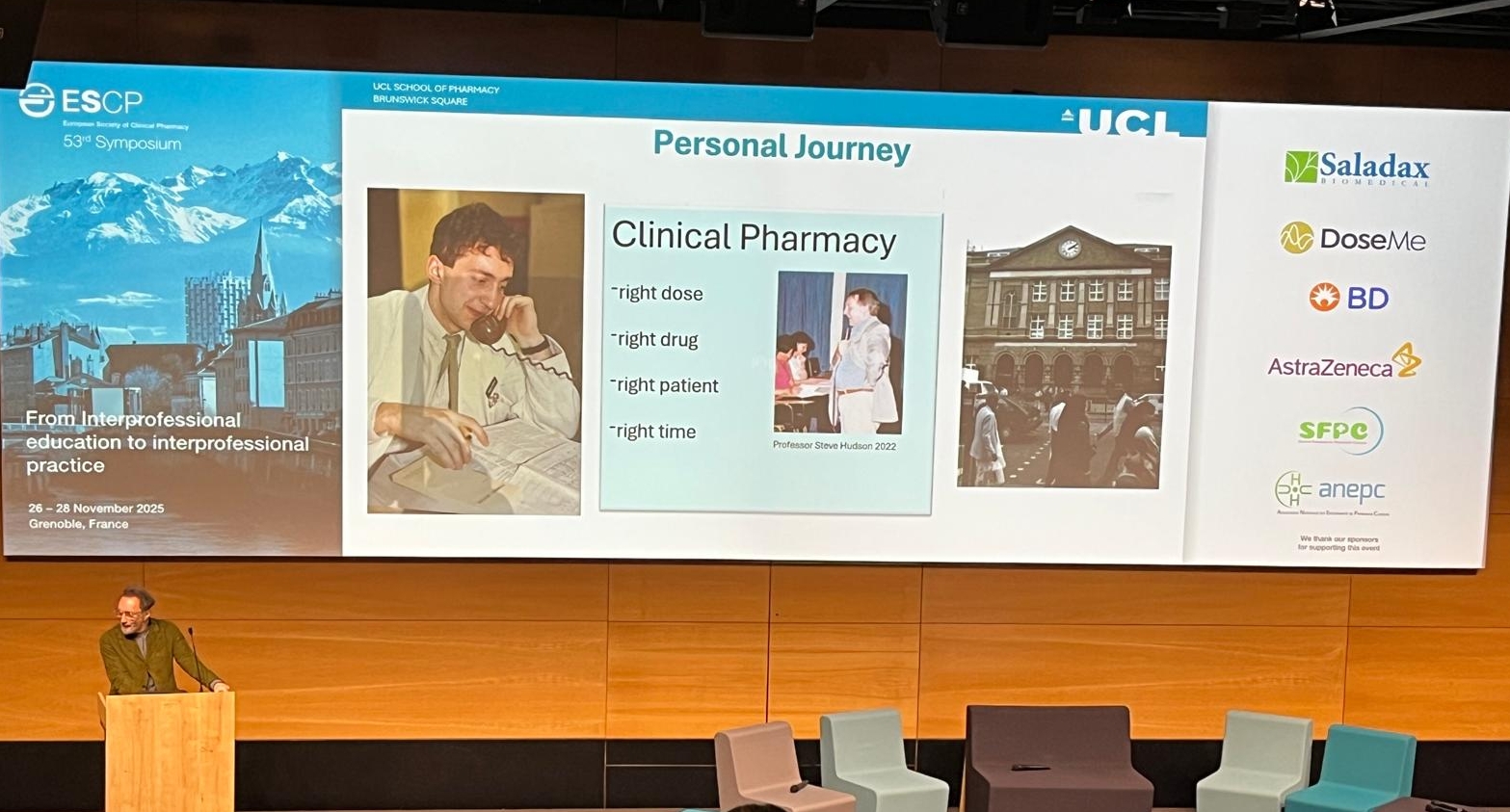
The Steve Hudson Lecturewas delivered by Prof. Robert Horne, professor of behavioural medicine at the University College London. In his impressive talk on “Applying Behavioural Science to Support Adherence and Improve Patient Care”, he highlighted one of the key aspects of pharmacotherapy — non-adherence. Based on available data, approximately 1/3 of medicines prescribed for chronic conditions are not taken as recommended, which has a substantial impact on treatment outcomes, patient safety, and the efficiency of healthcare systems. Prof. Horne offered an overview of his lifelong research in the field of behavioural medicine, building on his earlier experience as a clinical pharmacist in practice. He emphasised that non-adherence cannot be explained simply as patient “disobedience”, but requires a complex understanding of patient behaviour, beliefs, and motivations.
The lecture sponsored by Saladax featured the exceptional speaker, Dr. Ivana Tašková. She discussed therapeutic drug monitoring of antipsychotics, their clinical use, and the implementation of point-of-care testing.
Workshops: interactivity, practical focus, and shared experience
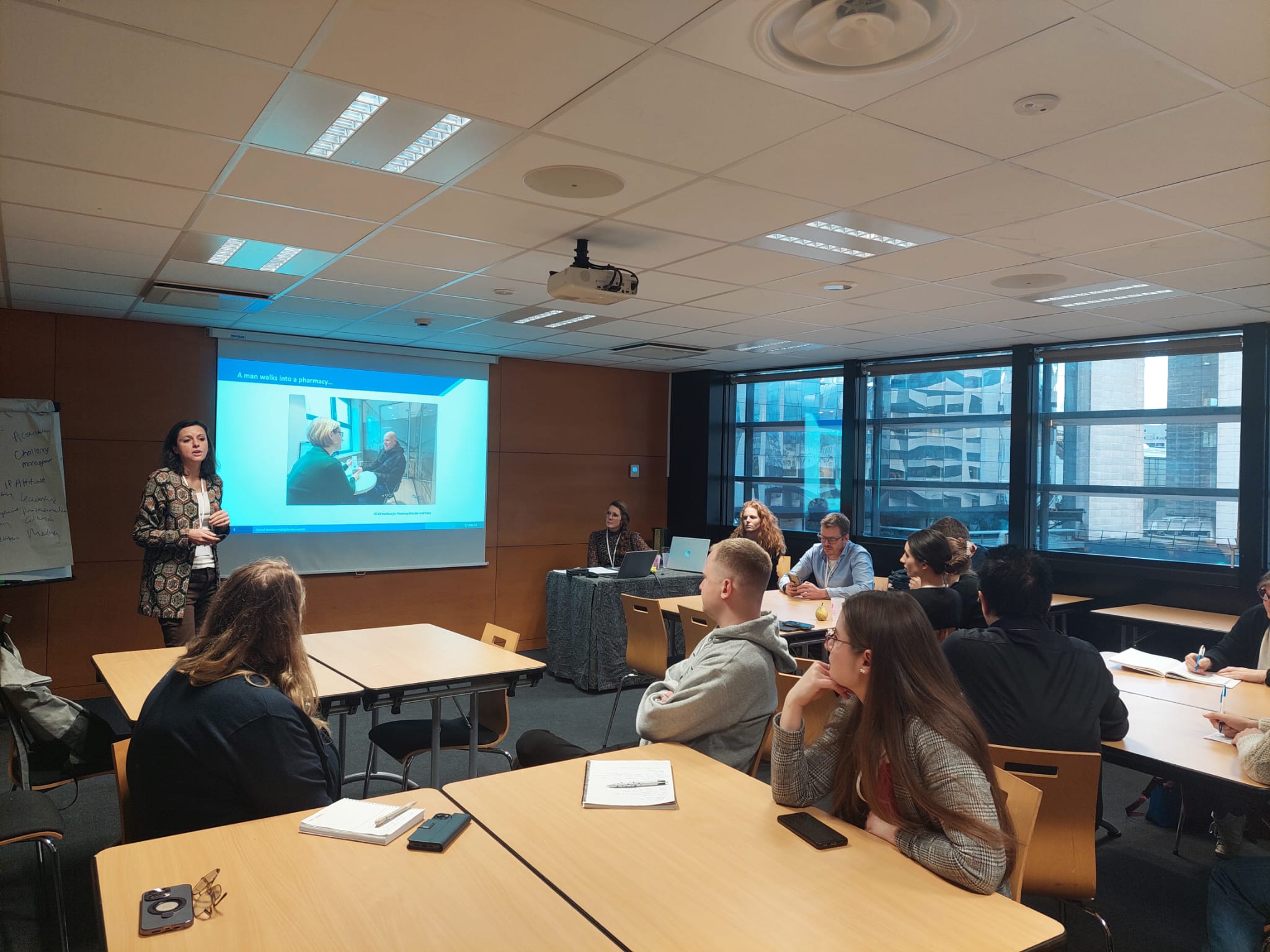
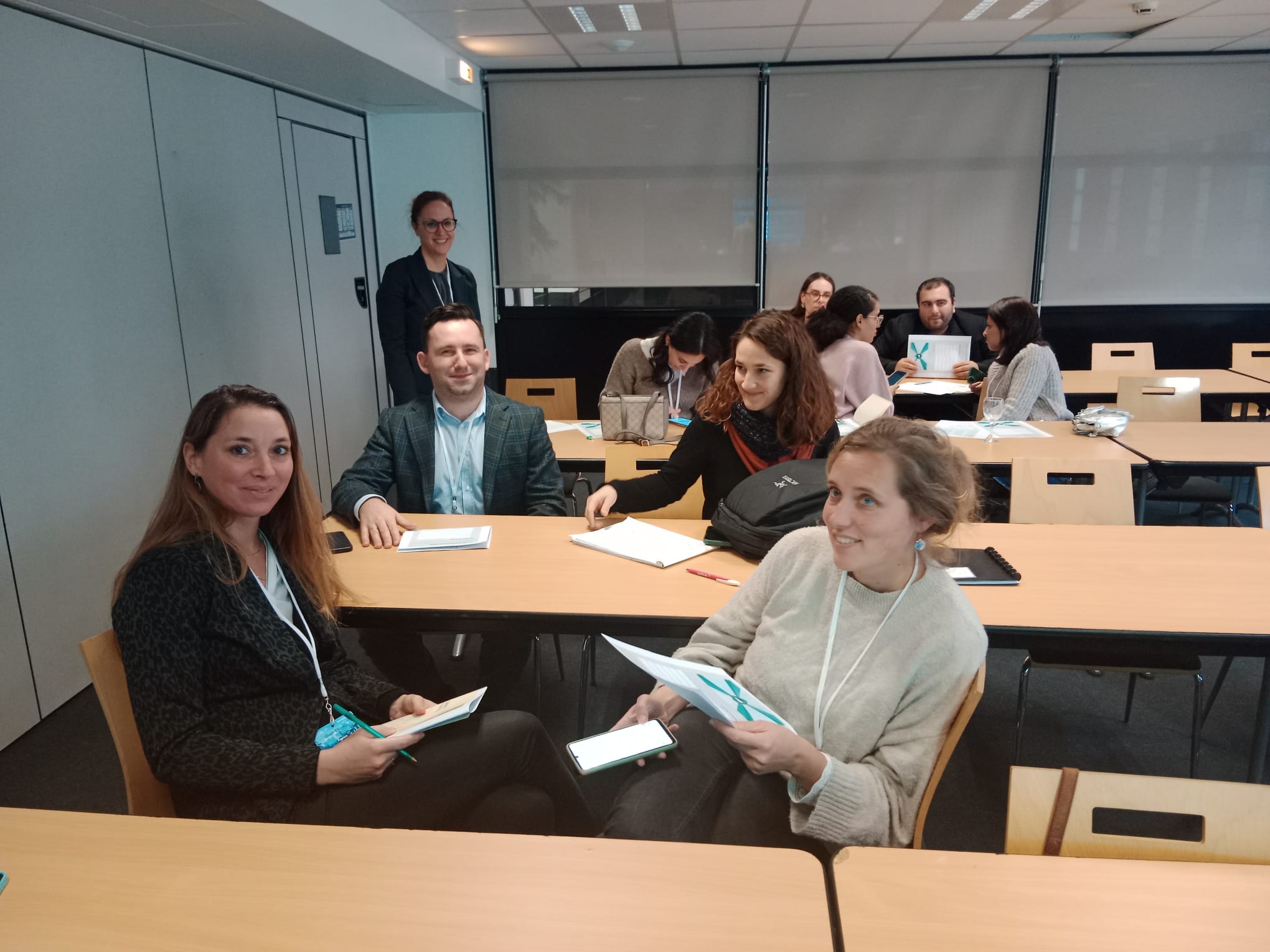
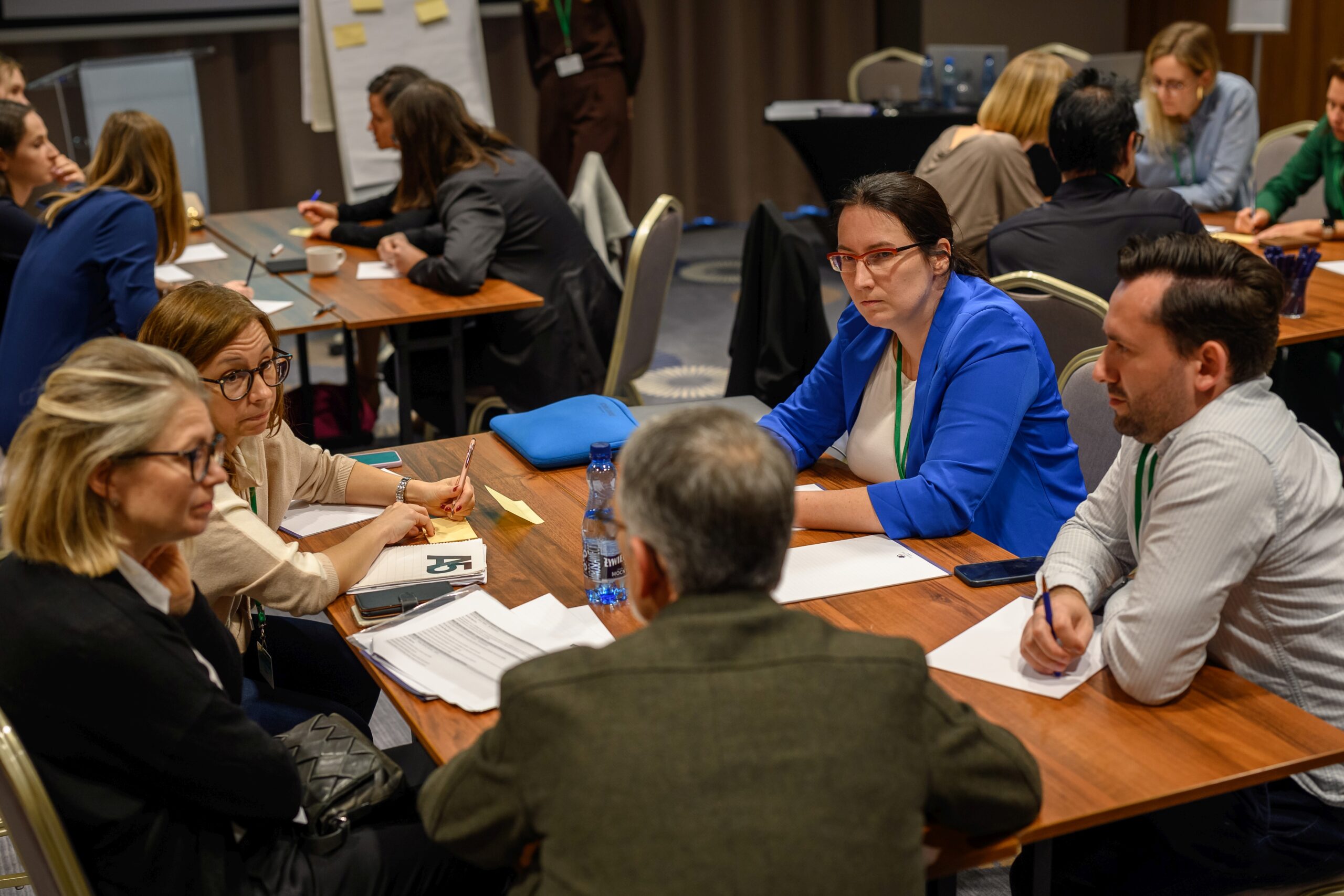
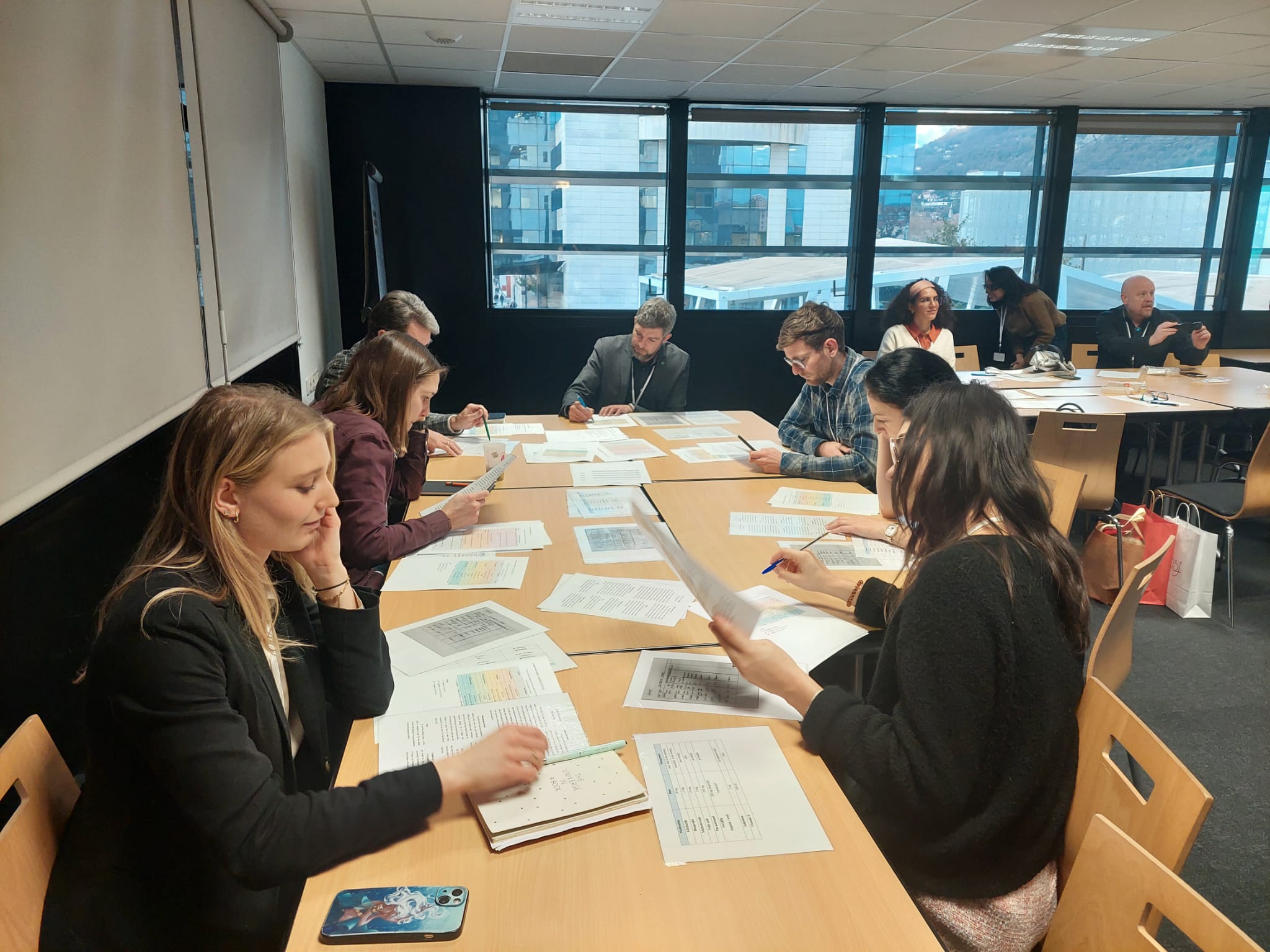
A major component of the symposium was its extensive workshop programme, delivered in parallel sessions over all three days. The workshops were characterised by a strong emphasis on interactivity, active participant engagement, and work with real-life practice examples. Participants worked in small groups, shared their own experiences, addressed model scenarios, and jointly developed solutions transferable to diverse clinical and educational settings. This format was repeatedly highlighted as one of the key strengths of the symposium. Workshop topics included patient and public involvement in research and education; rational and safe use of medicines, including opioids; implementation science as a driver of change in clinical pharmacy; assessment of interprofessional education; polypharmacy and geriatric pharmacotherapy; point-of-care testing in everyday practice; the use of artificial intelligence in education and clinical decision-making; geriatric care simulation; or how to design an innovative training. The sponsored workshop by DoseMe was led by the outstanding speaker, Dr. Sharmeen Roy. Participants had the opportunity to explore forecasting precision using population models for optimised antimicrobial dosing in a virtual hospital.
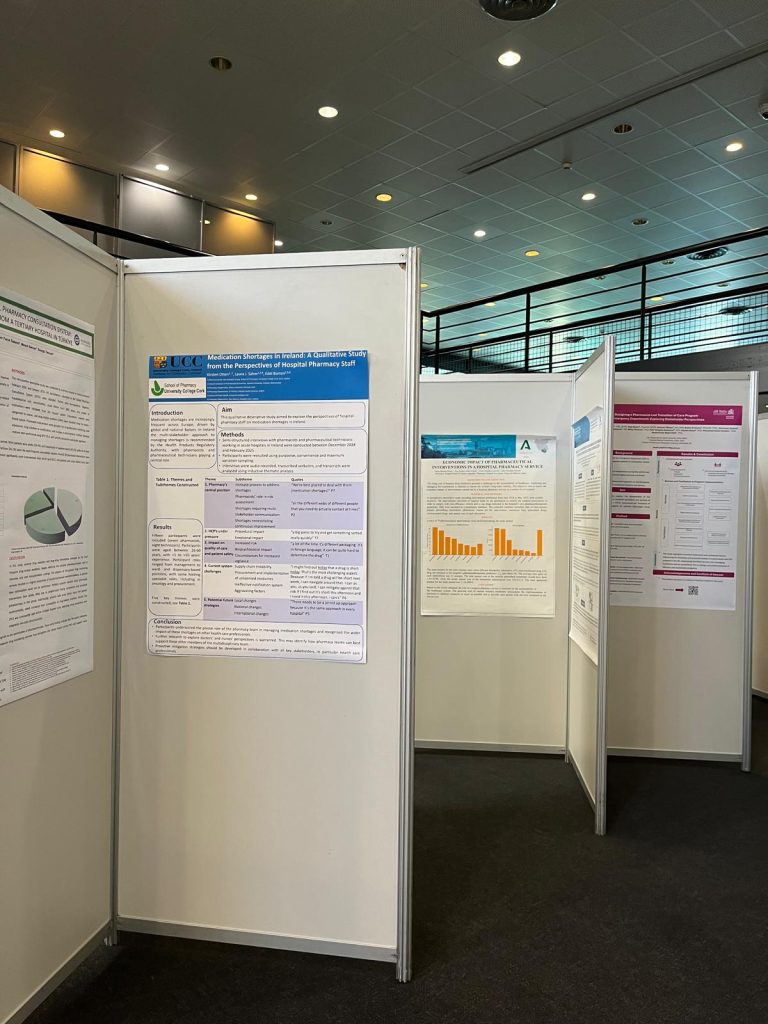
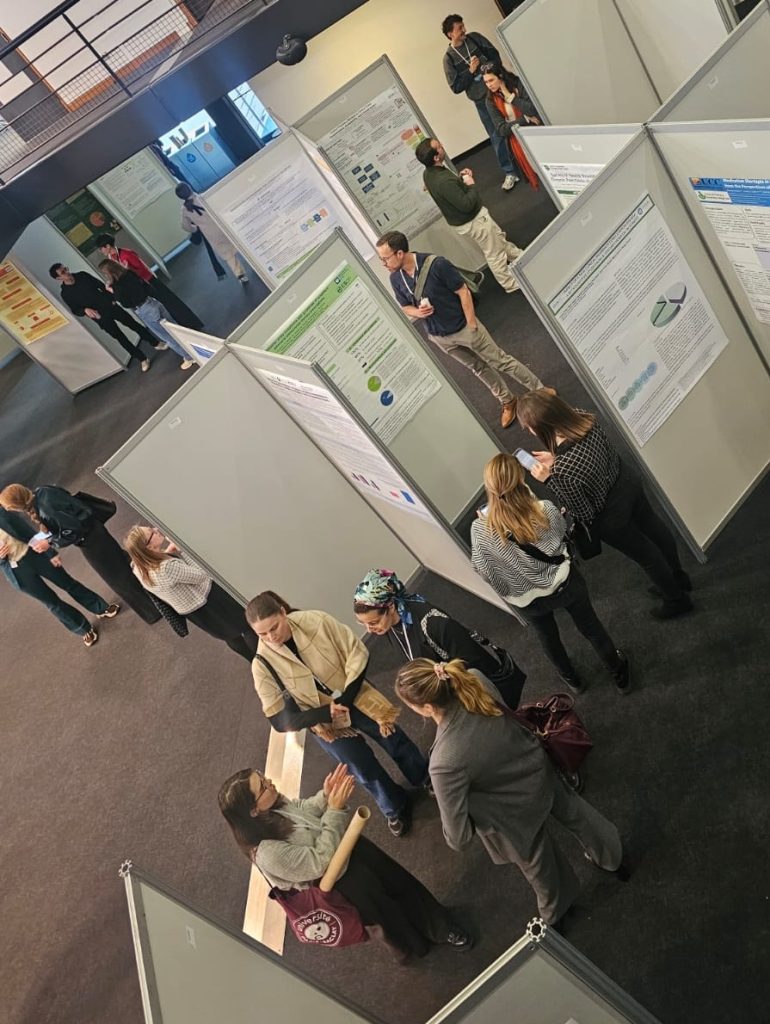
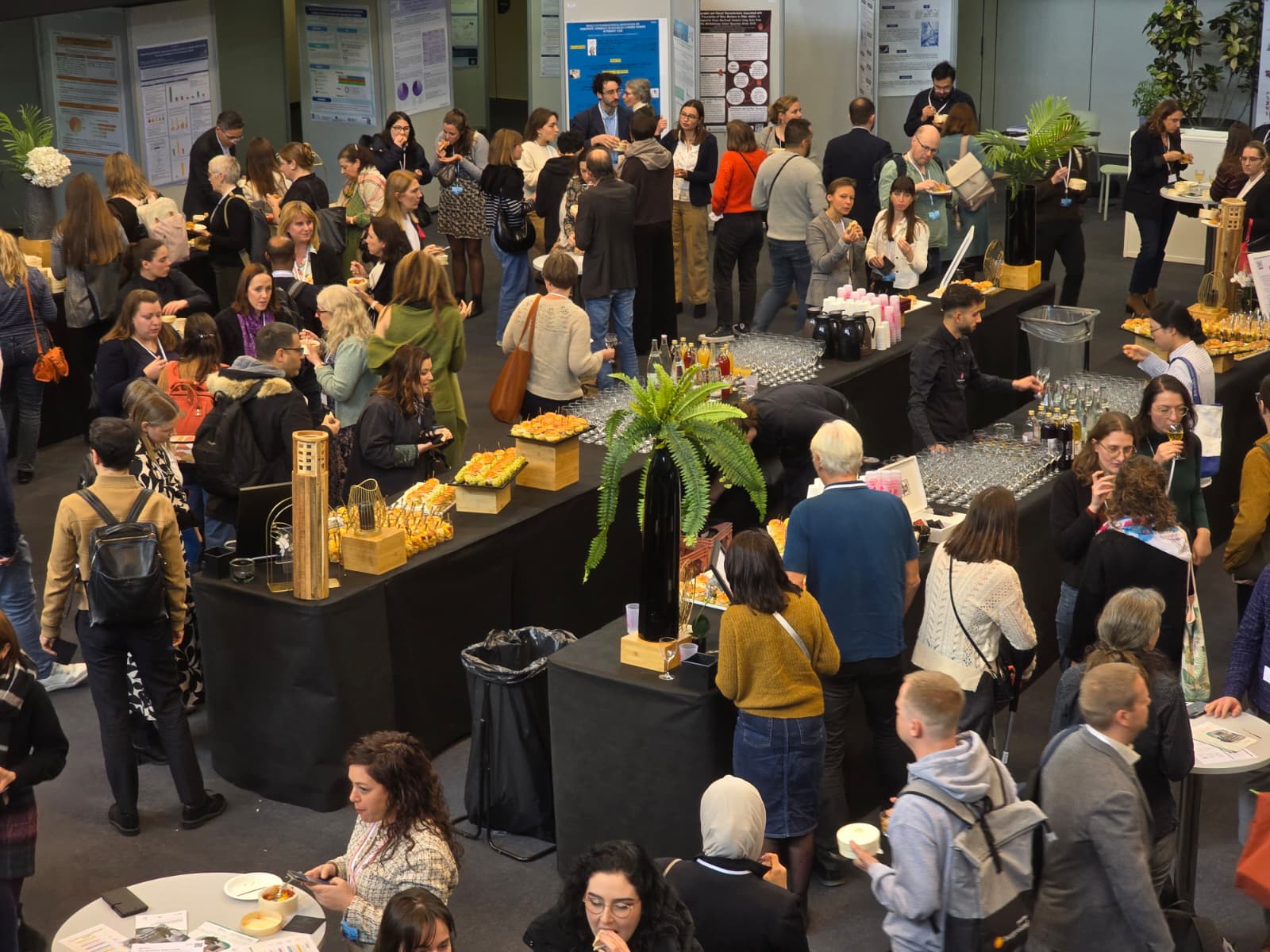
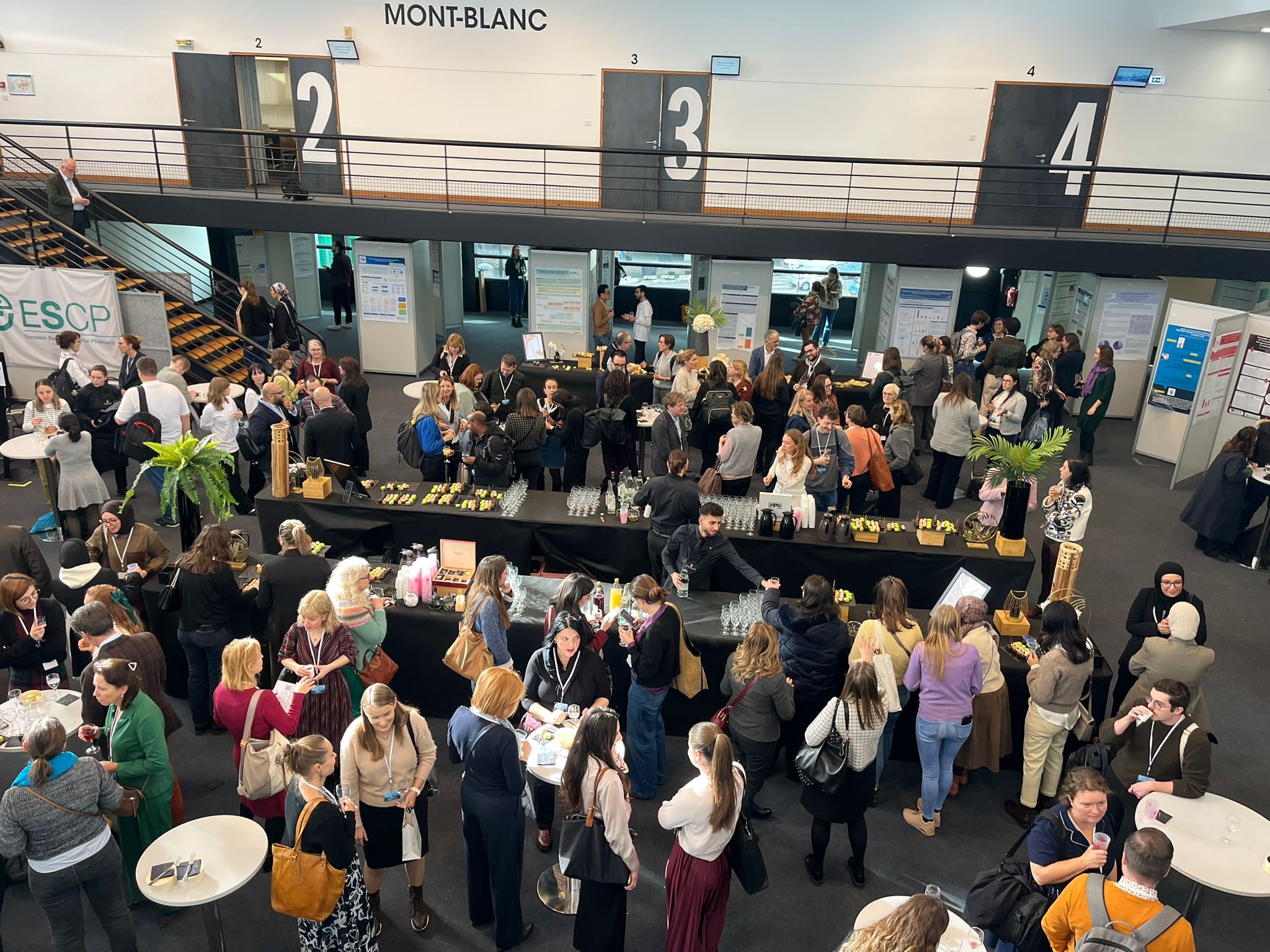
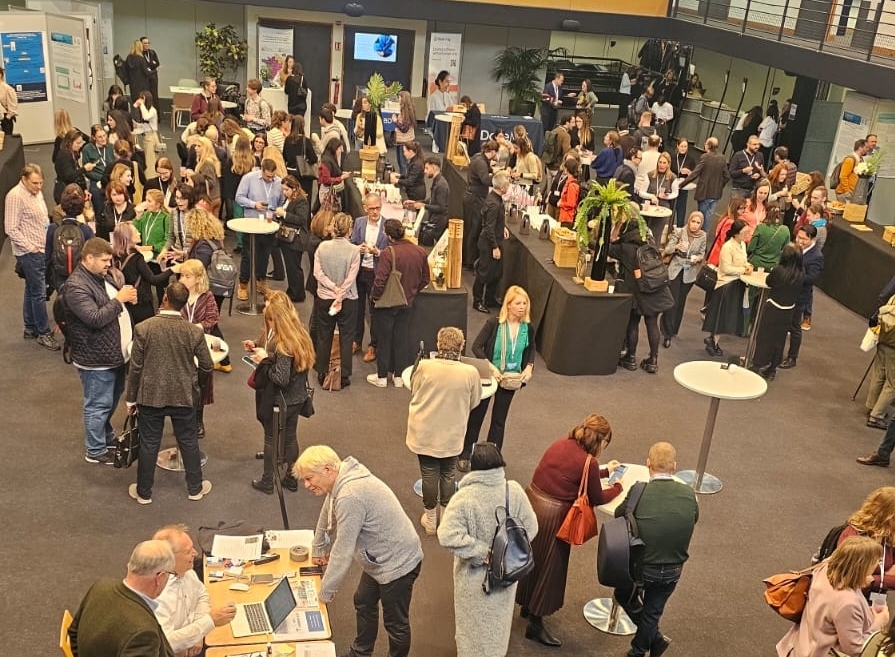
An integral part of the programme was the poster session, which naturally connected formal scientific presentations with informal professional discussions during breaks. Posters covered a wide range of topics — from research projects and innovative educational approaches to the implementation of clinical pharmacy services across different healthcare systems. The poster session provided space for intensive exchange of ideas, expert feedback, and the initiation of new collaborations, particularly between early-career researchers and experienced professionals. The parallel sessions also included oral communications, allowing presenters to showcase specific projects, research findings, and examples of good practice in a concise and dynamic format. They provided a space for sharing practical and research experience.
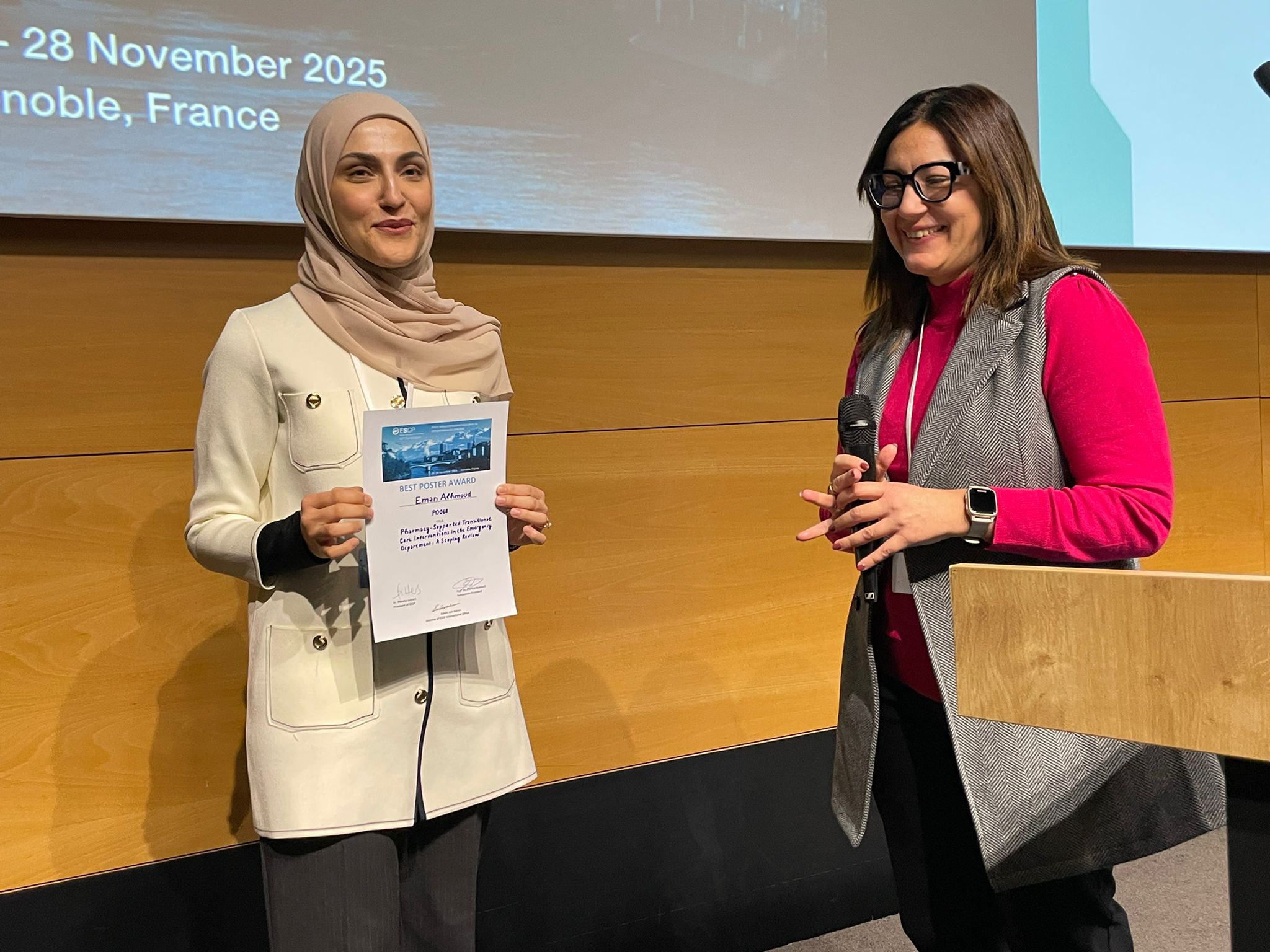
The Closing ceremony led by the newly appointed ESCP President, Dr. Anna Oleárová, included the presentation of awards for the best posters and oral communications. The Best Poster Award and the Best Oral Communication Award were presented to: Eman Alhmoud for the poster presentation on Pharmacy-Supported Transitional Care Interventions in the Emergency Department: a Scoping Review; and to Lisa-Marie Smale for the oral communication on Deprescribing and Formulation Switching Strategies to Improve Environmental Sustainability of Hospital Care: a Delphi Study.
During the symposium, there were also meetings of our working Committees (Education, Research and Communication) and Special Interest Groups (SIGs on mental health, deprescribing and YESCP). Two of these were kick-off meetings (SIGs on antimicrobial stewardship and pharmacogenomics).
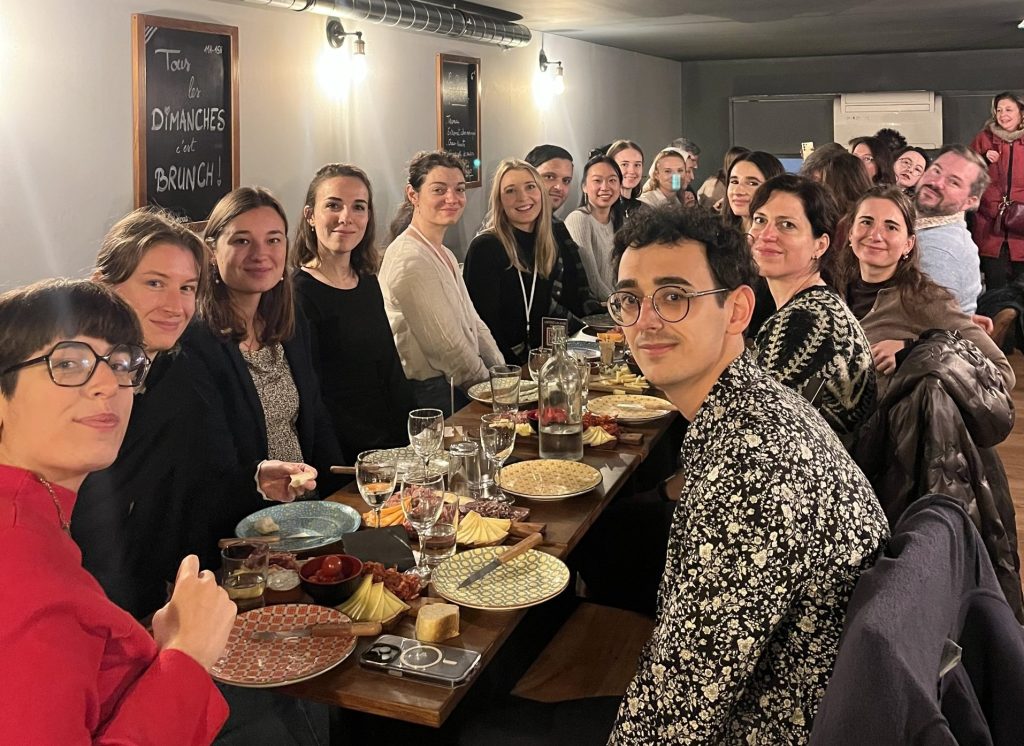
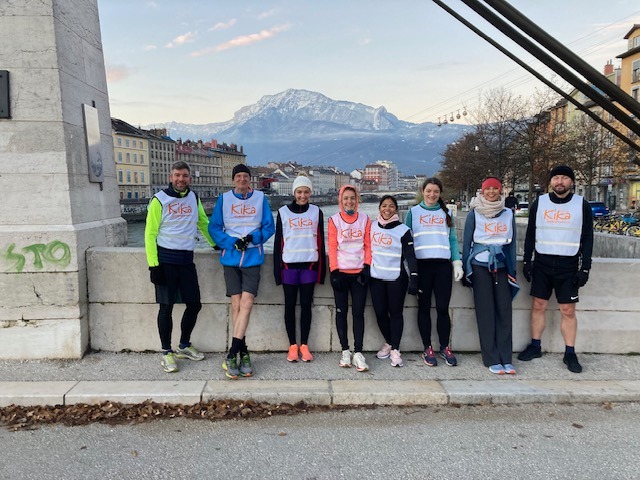
The event’s ambience was enhanced by the walking dinner at the Fort de La Bastille. The Grenoble World Trade Center venue provided a delightful setting, complemented by high-quality catering. Attendees also had the opportunity to participate in the YESCP Dinner and/or a Fun Run supporting children with cancer, all under the stunning and majestic mountains of the Alps.
The first days of the conference were marked by rainy and foggy weather, which kept the peaks of the surrounding Alps hidden from view. Only when the fog lifted and the sun emerged did the mountains reveal their majesty and beauty. What a symbolic metaphor. The work of clinical pharmacists is often ‘invisible’, taking place behind the scenes of everyday healthcare. However, when examined closely — by analysing its impact and linking it to clinical outcomes — the essential role of clinical pharmacists in ensuring medication safety, supporting healthcare colleagues and improving patient outcomes becomes evident.
The roles of the clinical pharmacists will be further explored at the Spring Workshop 2026, which will take us to the other side of the Alps in Innsbruck and focus on medication safety. We look forward to welcoming you again at one of our future events and/or webinars.
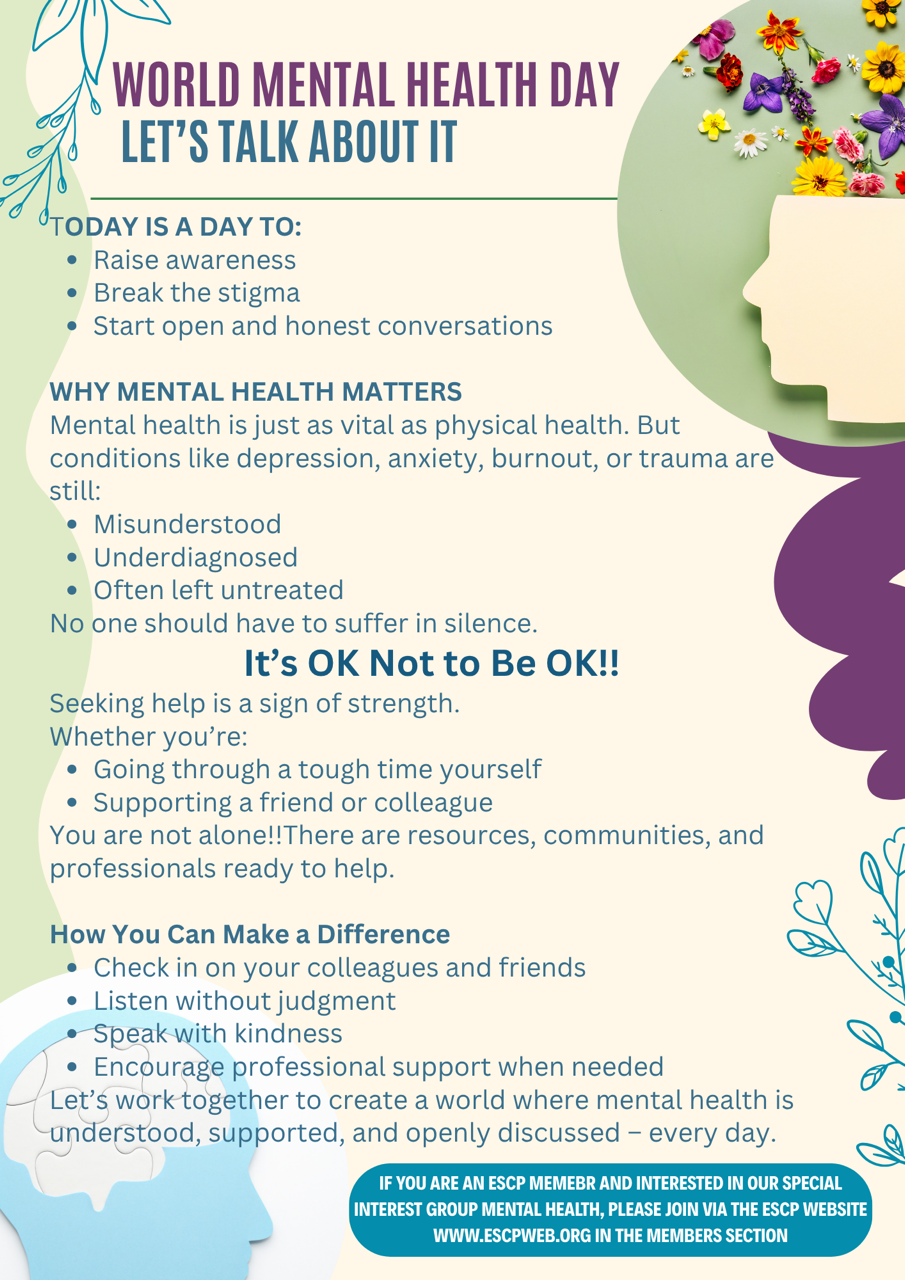
In recognition of World Mental Health Day, our SIG on Mental Health has prepared a support flyer aimed at raising awareness of the important role clinical pharmacists can play in caring for individuals with mental health conditions
In clinical practice, pharmacists are uniquely positioned to make a significant impact on mental health care through:
Optimisation of pharmacotherapy
Monitoring for adverse effects and drug interactions
Supporting treatment adherence
Providing empathetic, patient-centred communication
Collaborating within multidisciplinary teams
Taking care of our own mental well-being to sustain compassionate and effective care
By working together, we can strengthen the role of clinical pharmacy in advancing mental health care. Mental health matters for everyone – including ourselves.
Remember that all ESCP members have free access to all journal issues, via the member login pages.
The August 2025 issue of the journal was recently published.
This is a themed issue on ‘Artificial Intelligence and related Innovative Technologies in Clinical Pharmacy Practice and Research’.
This special AI issue is timely and relevant considering the rapid expansion and development of AI enabled technologies in health-related fields, including pharmacy
Guest editors for this special issue, Prof. Anita Weidmann and Prof. Kreshnik Hoti.
Join the Masterclass of Excellence on Responsible use of AIin clinical pharmacy research organised by ESCP Research Committee and moderated by excellent prof. Martin C. Henman, prof. Pierrick Bedouch, prof. Daniela Fialová & prof. Betul Okuyan.
This Masterclass will focus on Generative Artificial Intelligence (AI) tools. Many AI tools are available to carry out research activities including literature review and creating the hypothesis, computation/statistics, data presentation, writing, presenting and publishing. The Masterclass will involve examples of the use of AI in qualitative and quantitative research methods. In clinical pharmacy practice, the number of AI tools relevant to patient care and service delivery are also increasing. However, research ethics and research integrity should be considered before using these tools in clinical pharmacy and in research.